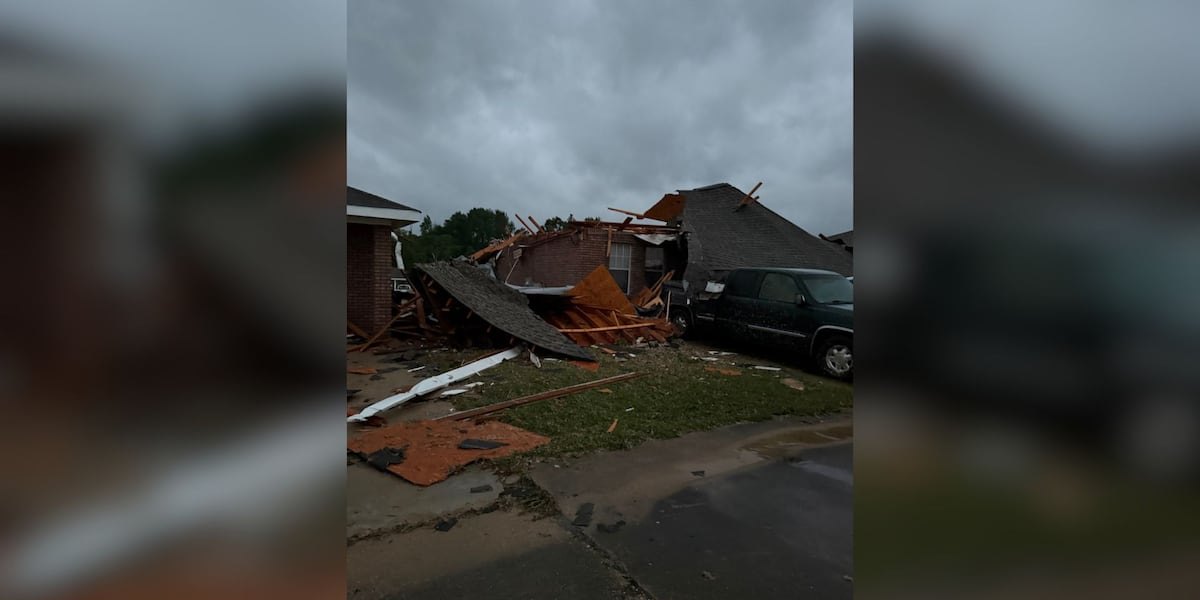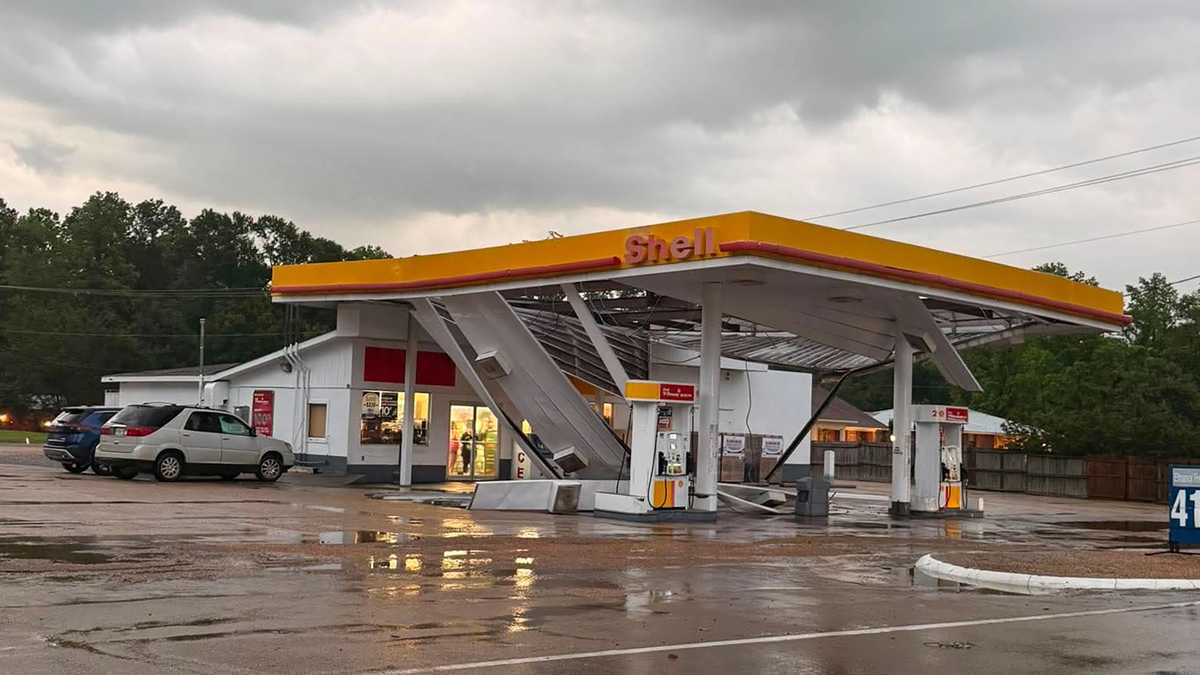
The severe weather system that traversed southwest and central Mississippi has introduced significant systemic friction to the state’s primary transit corridors and industrial clusters. The intersection of US 84 and Interstate 55 in Brookhaven serves as a primary case study in logistical failure; extensive debris and timber effectively severed a high-volume artery for regional freight and commuter throughput. Restoring this node is a prerequisite for stabilizing the Pine Belt’s economic activity and preventing a cascading effect on regional distribution networks.
Macro-Logistical Disruption of the I-55 Corridor
The obstruction at the US 84 and I-55 interchange transcends a localized traffic event; it represents the suspension of a vital north-south conduit for interstate commerce. The presence of large-scale debris requires more than standard maintenance; it necessitates heavy-equipment deployment and complex debris management strategies. For supply chain stakeholders, this closure forces a reliance on secondary routes that lack the load-bearing engineering required for heavy commercial traffic, thereby increasing operational costs and transit latency.
Institutional priority must center on rapid clearing to restore the flow of goods and emergency services. Beyond immediate clearance, a forensic assessment of the roadway’s structural integrity is vital. High-velocity winds and impact from falling timber can cause subsurface damage that compromises long-term pavement durability. Rapid restoration of I-55 is essential to maintain the Gulf Coast’s link to the interior United States, particularly for sectors utilizing just-in-time delivery models.
Institutional Agility and Emergency Management Protocols
The transition from tactical response to strategic recovery is being led by the Mississippi Emergency Management Agency (MEMA). Governor Tate Reeves’ early engagement signals a high-level mobilization of state assets, shifting the posture from meteorological monitoring to active intervention. The declaration of a ‘Tornado Emergency’ by the National Weather Service—a designation reserved for catastrophic threats—triggered specialized protocols for search and recovery in Franklin and Lincoln counties.
MEMA’s systematic documentation of the 815 impacted homes in these counties provides a baseline for federal disaster assistance qualification. This data-driven approach is critical for the precise allocation of temporary housing and the long-term reconstruction of the residential tax base. The efficiency of this initial assessment phase dictates the speed at which federal relief funds can be unlocked for community-wide recovery.
Industrial Exposure and Labor Productivity Impacts
The industrial sector in Lamar County faces significant capital exposure following structural damage to its Industrial Park. These facilities are primary engines of regional tax revenue and employment; breaches in building envelopes (roof damage) and the loss of utility services create immediate operational downtime. For industrial stakeholders, the primary challenge is mitigating asset loss due to environmental exposure while awaiting power restoration—an effort complicated by over 1,000 outages in neighboring Jefferson Davis County.
Educational infrastructure failures further exacerbate economic shocks. The closure of Lamar Christian School and delays in the Purvis and Baxterville districts create secondary labor disruptions, as a significant portion of the workforce must pivot to childcare. These closures, necessitated by debris-strewn bus routes and power failures, highlight the interdependence of physical infrastructure and social service continuity. The resilience of these institutions is fundamental to the community’s overall capacity to rebound from recurring atmospheric volatility.
Strategic Risk Mitigation and Infrastructure Hardening
The persistence of the threat through Wednesday night highlights the efficacy of the ‘First Alert’ system and the National Weather Service’s real-time geographic warnings. Proactive measures, such as the opening of storm shelters in the Pine Belt, demonstrate the state’s evolution in public safety protocols. However, the damage to the Lamar County EOC office itself underscores a critical vulnerability: the need for hardening the very facilities designed to coordinate disaster response.
Moving forward, the scale of this event will likely necessitate a review of building codes and infrastructure resilience standards. Hardening critical assets and utility grids against violent wind events is no longer a luxury but a strategic necessity for the state’s economic stability. The recovery phase now serves as a stress test for Mississippi’s disaster framework, emphasizing the need for sustained coordination between the Governor’s office, MEMA, and local law enforcement to mitigate future atmospheric risks.