The arrival of a high-velocity cold front in South Central Texas has provided a rigorous operational assessment for CPS Energy. With wind gusts exceeding the 50 mph threshold on Sunday night, San Antonio’s distribution network transitioned from localized disruptions to a systemic stress event. This meteorological shift—characterized by gale-force winds and a precipitous temperature drop—highlights the precarious intersection of aging infrastructure, vegetation management, and increasing weather volatility.
Escalation Dynamics and Cascading Failures
The outage trajectory during the evening of March 15 underscores the compounding nature of wind-driven infrastructure failure. Impact figures surged from 12,000 customers at 9:00 p.m. to over 30,000 by midnight. This rapid escalation suggests that sustained kinetic energy from the wind, rather than isolated catastrophic impacts, induced progressive mechanical fatigue across the distribution system. The concentration of outages in the South and West sides—specifically along the Highway 90 and Highway 211 corridors—indicates geographical zones where overhead line exposure is highest.
In the 78240 zip code and the Prue and Babcock Road area, the failure points were predominantly tied to the vegetation-infrastructure nexus. When wind speeds surpass 40 mph, mature tree canopies in established residential zones become primary drivers of line strikes. With over 160 reported incidents, the utility’s reliance on reactive maintenance is being tested by the sheer volume of distributed physical damage, moving the crisis from a centralized substation issue to a decentralized logistical challenge.
Operational Safety and Tactical Constraints
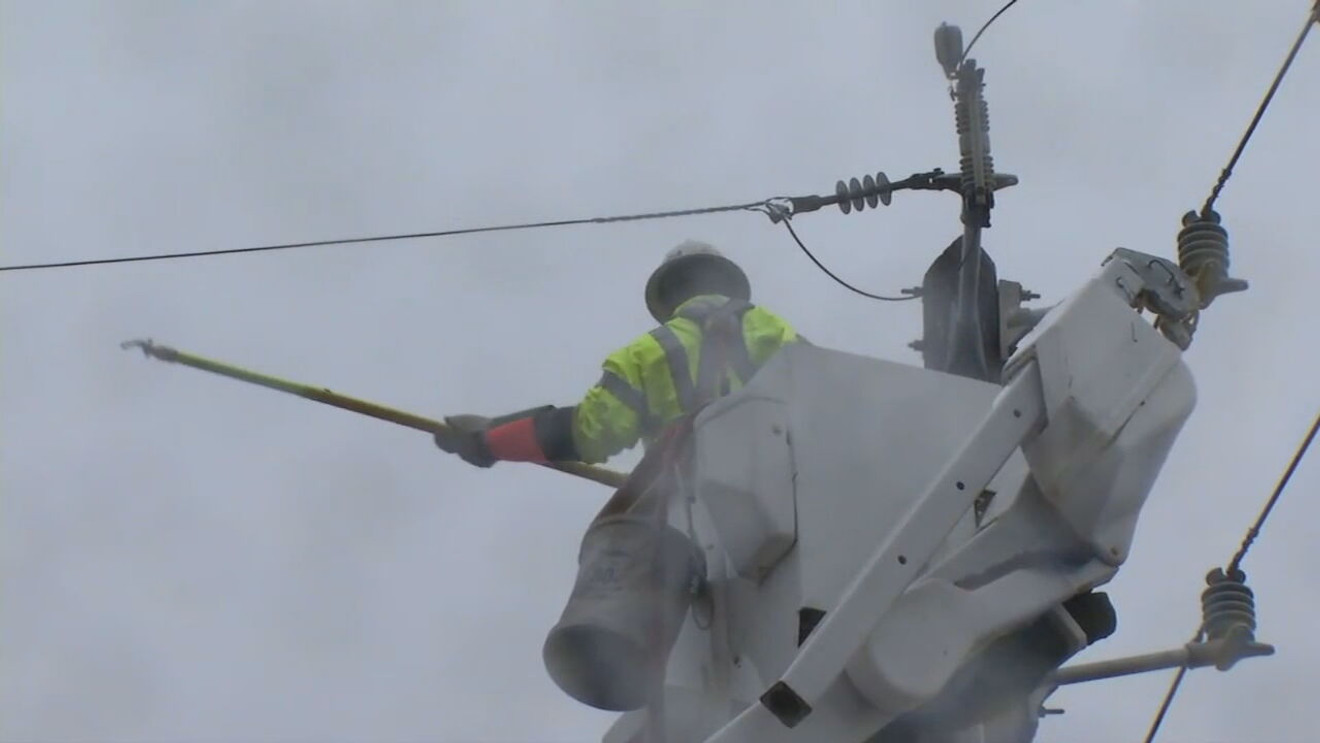
CPS Energy’s restoration strategy is currently governed by a trade-off between service velocity and field personnel safety. Standard safety protocols frequently prohibit the operation of bucket trucks and aerial equipment when wind gusts exceed 35-40 mph. Consequently, while digital monitoring systems can pinpoint outages instantly, the physical restoration of the 160+ sites is tethered to atmospheric stabilization. This inherent delay creates a gap between identification and remediation, often interpreted by the public as institutional inertia rather than tactical necessity.
The prioritization of “safe repairs” also reflects a strategic focus on fire mitigation. The National Weather Service’s concurrent warning of elevated fire risks means that every downed line in high-wind conditions is a potential ignition source. By prioritizing the securing of live wires over immediate restoration of service to low-density areas, the utility is managing a broader public safety liability, preventing the power outage from evolving into an urban wildfire scenario.
Institutional Resilience and Long-term Grid Hardening
This event serves as a critical data point for the cost-benefit analysis of grid hardening initiatives, such as selective undergrounding or more aggressive vegetation encroachment programs. For a municipally owned utility, the political and economic fallout of 30,000 inactive meters is significant. The concentration of failures in rapid-growth corridors like Grey Forest and Mission Del Lago highlights the need for modernized infrastructure standards that account for the increasing frequency of late-season fronts.
Furthermore, the reliance on the CPS Outage Map for real-time communication emphasizes the role of data transparency in maintaining stakeholder trust. While the physical grid struggled under environmental loads, the digital communication layer remained robust, suggesting that the utility’s investment in information infrastructure has outpaced its investment in physical hardening. Moving forward, the technical data harvested from these 160 incidents will likely influence future regulatory reviews and capital allocation strategies aimed at reducing the sensitivity of the San Antonio grid to moderate wind events.