
Strategic Realignment in the Texas Senate Contest
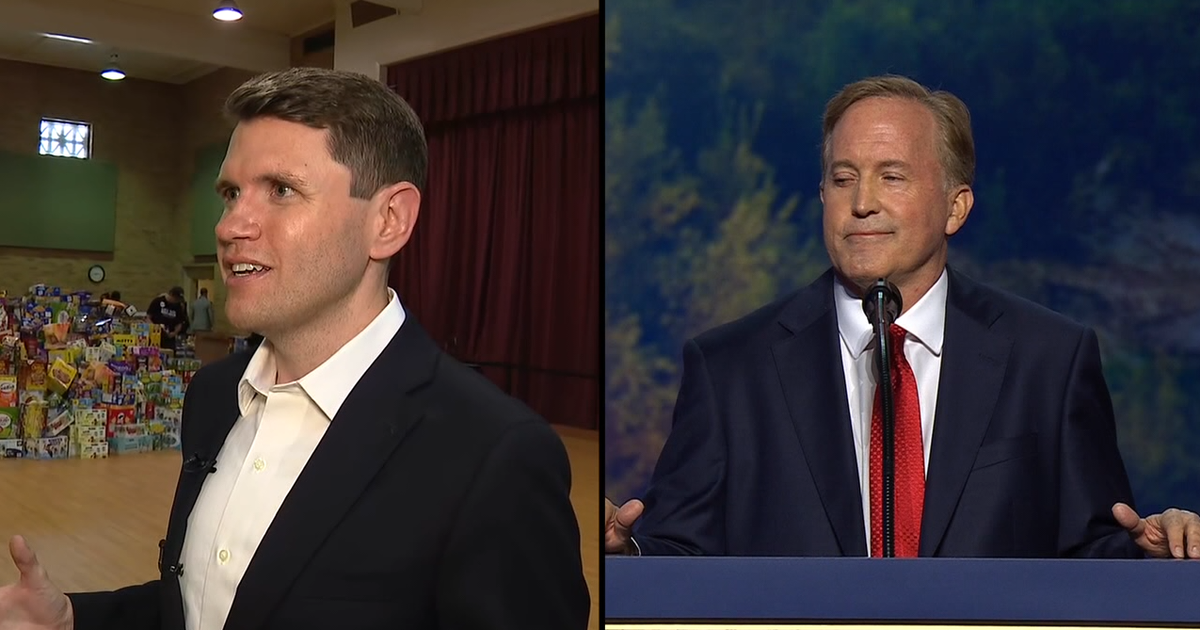
The Texas Senate race has entered a phase of heightened volatility as new polling data from AARP indicates a narrow lead for Democratic challenger James Talarico over Republican incumbent Ken Paxton. This shift suggests that the traditional Republican firewall in statewide Texas elections is facing structural pressure from a diversifying electorate and changing voter priorities.
According to the survey conducted between August 30 and September 1, Talarico holds 48% of support among likely voters compared to 44% for Paxton. While this four-point margin sits just outside the 3.3% margin of error, it signals a competitive environment that has begun to attract substantial national attention and strategic capital.
The narrowness of the lead underscores the importance of the undecided voter bloc, which remains the primary target for both campaigns as they move into the final stages of the election cycle. For Paxton, the challenge lies in consolidating a base that appears fractured, while Talarico must find ways to sustain this momentum across a vast and expensive media market.
The Senior Voter Firewall and Demographic Divergence
Despite Talarico’s overall lead, the AARP data reveals a stark generational divide that provides Paxton with a critical operational advantage. Among voters aged 50 and older, Paxton maintains a commanding 13-point lead, capturing 53% of the demographic compared to Talarico’s 40%.
This demographic divergence is particularly significant because older voters historically demonstrate higher rates of reliability at the ballot box. The survey confirms this trend, showing that 84% of voters over 50 describe themselves as “extremely” motivated to vote, a figure that drops to 70% for those under the age of 50.
For the Paxton campaign, this 13-point cushion among high-propensity voters serves as a structural hedge against Talarico’s lead in the broader population. The strategic implication is that Paxton can focus his resources on turnout efficiency within a loyal base, whereas Talarico must invest heavily in mobilizing younger, less predictable segments of the electorate.
Operational Geography and Campaign Resource Allocation
The geographic focus of the candidates reflects their divergent paths to victory, with Talarico prioritizing urban mobilization and Paxton reinforcing industrial and conservative strongholds. Talarico’s recent appearance at a rally in Houston’s Third Ward, specifically at Texas Southern University, highlights a strategy centered on high-density, diverse voter clusters.
By campaigning in the Third Ward, Talarico is attempting to maximize turnout in areas that are essential for any Democratic path to a statewide win in Texas. This approach relies on the assumption that high urban participation can offset the traditional Republican dominance in rural and suburban districts.
Conversely, Paxton’s scheduled visit to Beaumont signals a commitment to maintaining his grip on the state’s industrial corridors and mid-sized conservative hubs. Beaumont represents a demographic that aligns more closely with the 50-plus age bracket where Paxton currently holds his strongest polling advantage.
Institutional Anxiety and the Electability Narrative
The polling results arrive amid reports of growing anxiety within the Republican establishment regarding Paxton’s viability as a top-of-the-ticket candidate. Internal party discussions have reportedly touched on Paxton’s public image and the potential for his personal controversies to alienate moderate or suburban voters.
The sentiment that Paxton “may not be the best-looking guy” serves as a colloquial proxy for deeper concerns about candidate quality and brand management. These anxieties are exacerbated by Talarico’s ability to maintain a lead in a state that has not elected a Democrat to the Senate in decades.
If Paxton’s polling numbers continue to show vulnerability among the general electorate, it may trigger a shift in how national Republican PACs allocate defensive spending. The party must weigh the cost of defending a controversial incumbent against the risk of losing a seat that is vital for maintaining or capturing a Senate majority.
National Implications and Strategic Capital Movement
The Texas Senate race is no longer viewed as a localized contest but as a central pillar of the national battle for legislative control. The AARP poll serves as a signal to national donors and party strategists that Texas is a viable theater for high-value investment.
For Democrats, the four-point lead provides a justification for diverting funds from other competitive states into the Texas market. This influx of capital could allow Talarico to expand his media presence in expensive markets like Dallas-Fort Worth and Houston, where the race will likely be decided.
For Republicans, the data necessitates a defensive posture that may drain resources from other vulnerable incumbents. The need to shore up Paxton’s standing among younger and moderate voters could force the GOP to spend heavily on image-rehabilitation campaigns and targeted digital outreach.
Methodological Constraints and the Path Forward
While the AARP poll provides a snapshot of the current landscape, the 3.3% margin of error suggests that the race remains a statistical dead heat. The survey of 895 likely voters conducted over a three-day window captures a specific moment of transition as the summer campaign season concludes.
The shift in older voters toward Paxton suggests that as the campaign progresses, the Republican incumbent is successfully consolidating his most reliable constituency. Talarico’s challenge will be to prevent further erosion among this group while simultaneously closing the motivation gap among his younger supporters.
As both candidates continue their tours of the state, the focus will remain on the suburban swing counties that have shown increasing independence in recent cycles. The ability of either candidate to capture the middle ground while maintaining their base’s enthusiasm will ultimately determine the outcome of this high-profile contest.

Photo by gabriela2891 on Pixabay.