
The Officiating Vacuum as a Catalyst for Escalation
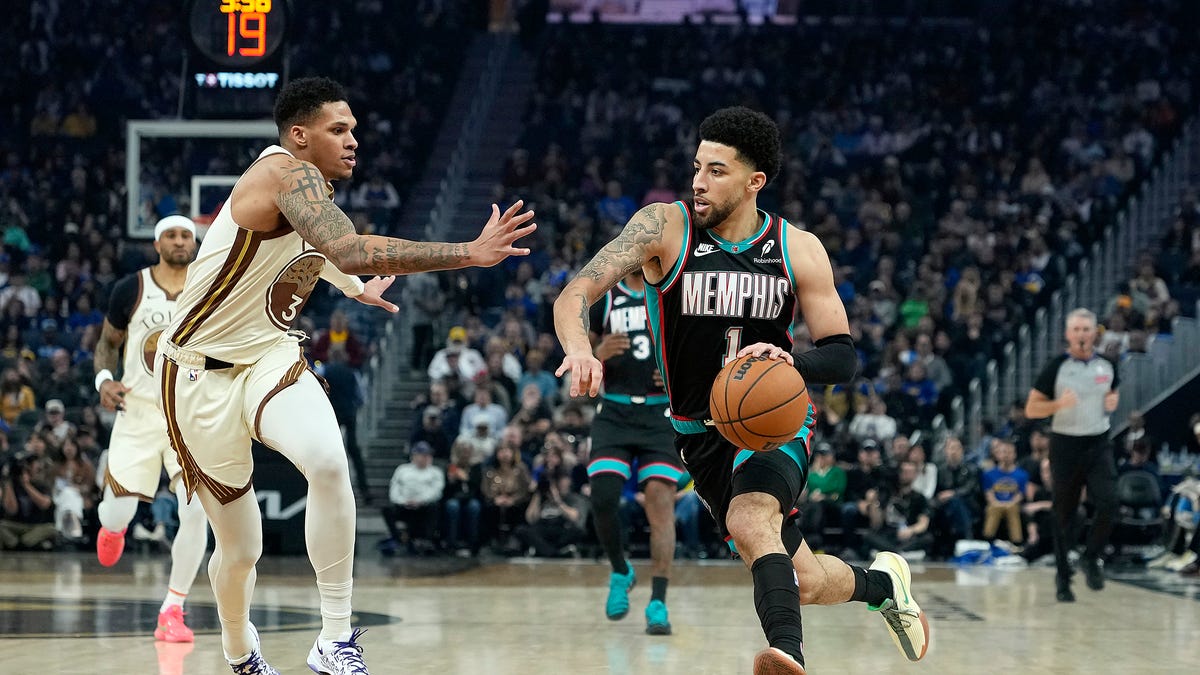
The confrontation between Memphis Grizzlies guard Scotty Pippen Jr. and Miami Heat forward Myron Gardner on February 21, 2024, offers a textbook study of game-management failure. Occurring with 1:55 remaining in a 136-120 Heat victory, the incident underscores how a lapse in officiating oversight can transform a decided contest into a disciplinary liability. The sequence originated from a non-call following a Pippen Jr. three-pointer; Gardner’s forceful, unpunished contact to Pippen’s back created a vacuum of accountability that the players instinctively filled through self-policed retaliation.
From a strategic perspective, the failure to whistle the initial blindside maneuver represents a breakdown in player safety protocols. When officials overlook non-basketball contact during high-scoring transitions, they inadvertently incentivize retaliatory escalation. Pippen’s decision to traverse the floor and confront Gardner near the opposite three-point line transitioned the event from a defensive foul into a major disciplinary breach, shifting the burden of aggression onto the Grizzlies guard.
Asymmetric Value and the Mechanics of Retaliation
The NBA’s disciplinary framework typically penalizes the ‘second actor’ more severely for escalating dead-ball situations. This created a tactical imbalance during the Kaseya Center scuffle: the mutual disqualification favored Miami. Pippen Jr. was a primary offensive engine, tallying 18 points and six assists, whereas Gardner’s contribution was limited to five points as a rotational forward. This disparity highlights a recurring risk in NBA altercations: a lower-usage player can effectively neutralize a high-performing opponent through a single provocative act.
Furthermore, the operational risk for Memphis extends beyond the immediate ejection. Because Pippen Jr. initiated a targeted charge across the court, the league office’s review process focuses on premeditation. Such incidents incur escalating fine structures and potential multi-game suspensions, threatening roster depth for a Grizzlies team already navigating performance volatility. For Miami, the incident exposed a lapse in situational awareness—engaging in unnecessary physicality during a 16-point lead—which often frustrates coaching staffs prioritizing clean game-closings.
Narrative Control and Institutional Consequences
Post-game, Pippen Jr. engaged in calculated rhetorical management, labeling Gardner’s hit a “soft move” and a “cheap shot.” By framing his own aggression as a response to a lack of competitive integrity, Pippen sought to preserve his reputation as a high-IQ competitor while shifting the moral burden to the Heat forward. This psychological maneuvering is vital for younger players establishing their identity within the league’s hierarchy, turning a disciplinary failure into a narrative of toughness.
The broader institutional impact involves the friction between player emotion and the league’s entertainment product. The resulting delay for official review dampens game momentum and alienates live audiences. However, from a market-engagement standpoint, these highlights generate significant social media traction, often outperforming the actual box score in digital reach. Moving forward, this incident will likely serve as a case study for officiating clinics on the importance of early intervention to prevent the ‘true emotion’ of the game from devolving into institutional liabilities.
Photo by admomediaoffice on Pixabay.