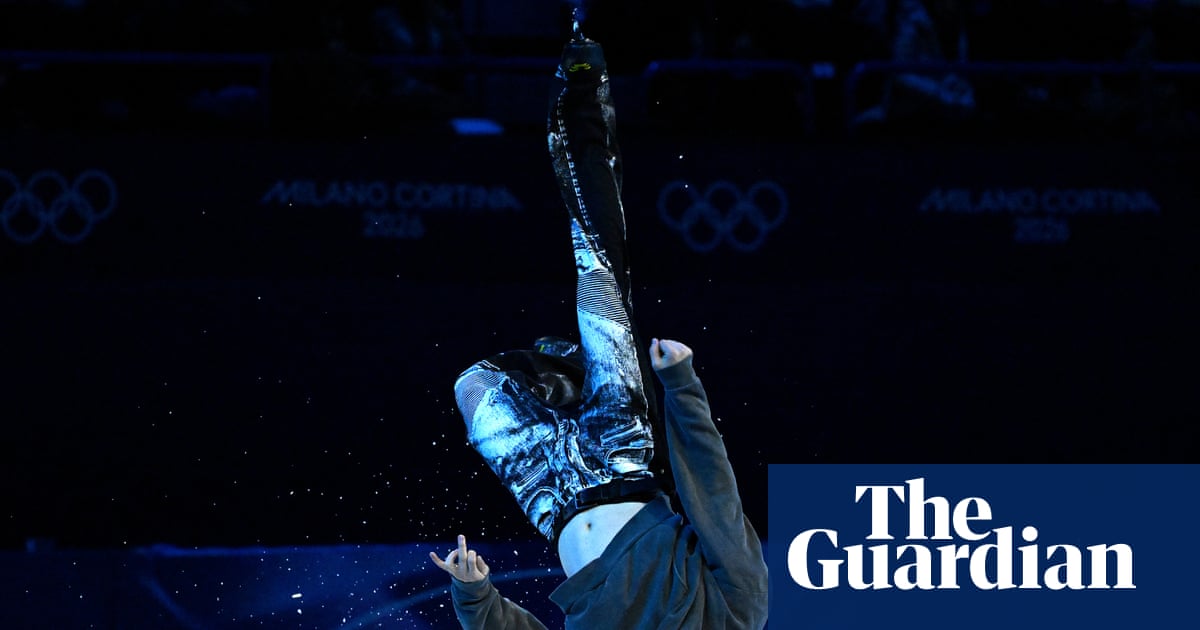
The conclusion of the figure skating program at the 2026 Winter Olympics in Milan Cortina underscored a significant evolution in athlete narrative management. On February 21, the final exhibition gala transitioned from a traditional celebratory showcase into a sophisticated platform for brand recalibration. For Ilia Malinin, the event served as a critical operational mechanism to bridge the gap between high-market expectations and the technical volatility experienced during the individual competition.
The Institutional Utility of the Exhibition Gala
Within the Olympic framework, the exhibition gala operates as an extra-institutional space, exempt from the International Skating Union’s rigid scoring metrics. This structural autonomy allows athletes to prioritize persona development over technical risk mitigation. For high-profile competitors facing reputational risks due to competitive shortfalls, the gala functions as a strategic venue for emotional engagement and the restoration of symbolic capital.
From an organizational perspective, the gala mitigates the volatility of the competitive cycle by solidifying the event’s commercial legacy. By pivoting from technical quantification to human-centric storytelling, stakeholders can maintain audience engagement regardless of podium outcomes. This transition effectively expands the sport’s reach within the broader media and sponsorship ecosystems.
Malinin: Narrative Reclamation Amid Competitive Volatility
Entering Milan Cortina 2026 as the 21-year-old gold medal favorite, Ilia Malinin carried substantial institutional weight. Despite contributing to a U.S. team gold, his subsequent inability to reach the individual podium created a narrative vacuum. His gala performance to ‘Fear’ by NF served as a calculated response to this outcome, replacing the typical opulence of the sport with a minimalist, raw aesthetic of a grey hoodie and denim.
This stylistic departure functioned as a strategic acknowledgment of the psychological pressures that led to his free skate collapse. By framing his technical failure as a consequence of ‘weighty expectations,’ Malinin’s management team successfully pivoted his public image from a technical specialist to a relatable figure of resilience. This move ensures long-term brand sustainability by aligning with contemporary consumer preferences for authenticity and emotional transparency.
The Marketability of Mental Health and Authenticity
The integration of mental health themes—highlighted by Malinin’s use of a mobile phone prop to symbolize digital scrutiny—reflects a broader industry shift toward athlete welfare as a core brand pillar. This transparency insulates elite athletes from the long-term reputational erosion typically associated with high-profile competitive failures. By owning the ‘inevitable crash,’ Malinin reclaimed the discourse surrounding his performance.
This approach highlights an institutional trend: governing bodies and sponsors now recognize psychological resilience as a marketable asset comparable to technical mastery. This evolution suggests that future Olympic marketing cycles will increasingly prioritize an athlete’s narrative arc and recovery over singular technical achievements, providing a more stable environment for high-value sponsorship deals.
Structural Divergence: Performance Leverage vs. Recovery
The 2026 gala also showcased the traditional utility of the platform through Alysa Liu, who utilized the ice to celebrate sustained competitive dominance. Having secured two gold medals, Liu’s performance reinforced the standard Olympic narrative of excellence and reward. The juxtaposition of Liu’s triumph with Malinin’s catharsis illustrates the dual nature of modern elite sports branding.
While Liu leveraged her gold-medal status to solidify her position as a premier global athlete, Malinin utilized the same space for narrative reclamation. Both strategies maximize exposure but target different segments of the media landscape—one reinforcing institutional success, the other engaging with the social reality of performance pressure.
Operational Evolution in High-Performance Environments
Malinin’s experience provides a case study in the operational risks of the ‘heavy favorite’ designation. The psychological feedback loop of extreme expectation can compromise the technical execution of even the most proficient athletes. Consequently, national federations must now develop psychological support systems that are as rigorous as physical training protocols to manage the emotional fallout of competition.
As the Milan Cortina cycle concludes, the focus shifts to how these narrative shifts will influence the next quadrennial. The 2026 Games have proven that the value of an Olympic presence extends beyond the medal count, redefining success as a blend of technical capability and narrative agility. The strategic choices made in the gala ensure that the legacy of these games is defined by a complex, multi-dimensional representation of elite performance.