
Strategic Dichotomy: High-Leverage Investment Meets Institutional Necessity
The UEFA Champions League knockout phase play-off between Galatasaray and Juventus is defined by a sharp strategic dichotomy. Hosted first at the daunting RAMS Park in Istanbul, the tie pits Galatasaray’s aggressive, immediate competitive investment against Juventus’s imperative for institutional stability and European recovery. The fixture, scheduled for Tuesday, serves as a critical assessment of two profoundly different paths to continental relevance.
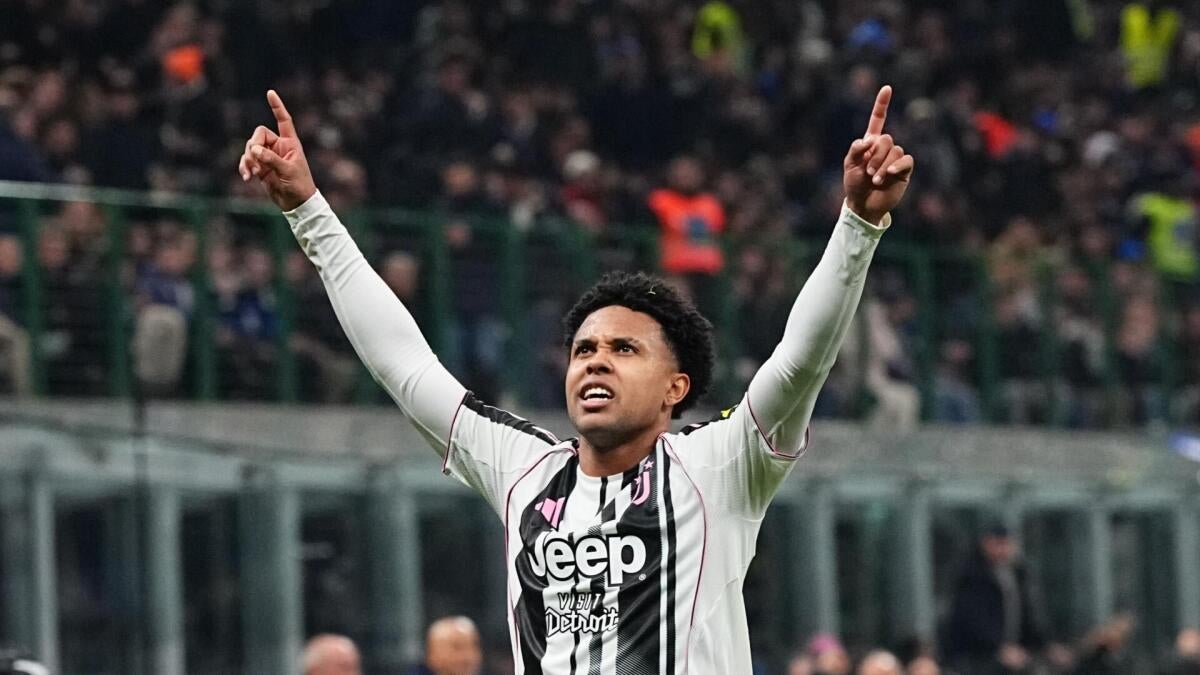
Juventus (+105 odds) enters the contest under acute pressure, their systemic fragility exposed by an intense 3-2 defeat against Inter in the Derby d’Italia. While Luciano Spalletti’s tenure has been praised for providing an “enthralling watch,” the loss underscored the immediate need for defensive solidity—a requirement magnified in high-leverage European fixtures.
Competitive Asymmetry and Positional Leverage
Analysis of the league phase performance reveals complex competitive asymmetry. Juventus finished 13th in their group, securing three wins, four draws, and one defeat across eight matches. This sequence highlights operational inconsistency, despite managing to win three of their final five outings to secure the playoff berth. Galatasaray, although finishing 20th, accumulated ten points but notably suffered a late-stage deceleration, failing to secure a victory in their final four group matches. This divergence suggests Juventus faced a higher caliber of sustained pressure, while Galatasaray struggled with performance momentum near the finish line.
The strategic benefit of hosting the second leg provides Juventus with crucial, calculated leverage. By managing tactical exposure in the hostile Istanbul environment, the pressure shifts squarely onto Galatasaray to secure a decisive first-leg advantage, mitigating the psychological and operational strength the Bianconeri will possess upon returning to Turin.
Galatasaray’s High-Risk Investment Thesis and Gündoğan’s Mandate
Galatasaray’s participation in the knockout phase is underpinned by a high-leverage investment thesis demanding immediate competitive impact. The club has “spent big” to assemble a squad targeting rapid European returns, featuring high-profile talents like Davinson Sanchez, Lucas Torreira, Leroy Sane, and Victor Osimhen. This concentration of high-wage, experienced talent necessitates a deep European run to justify substantial capital expenditure and maintain long-term financial fair play compliance.
The acquisition of German midfielder İlkay Gündoğan, 35, is central to this strategy. Gündoğan, who captained Manchester City to the 2023 UEFA Champions League title, represents the critical import of intangible competitive capital—the requisite leadership and knockout-stage experience. His role transcends technical contribution; he is intended to function as a tactical governor, stabilizing midfield operations against institutional pressure. Gündoğan’s description of the move as achieving a “biggest childhood dream” anchors the club’s ambitious narrative, linking his personal success—with the 2023 final having been held in Istanbul—directly to the club’s institutional aspirations.
Operational Pressure and Tactical Exposure for Juventus
For Juventus, the immediate challenge is managing the psychological fallout from the crushing Inter loss while adapting to the intense atmosphere of RAMS Park. The Derby d’Italia defeat exposed potential vulnerabilities in their defensive structure and resilience, which Galatasaray will aggressively test using the pace and finishing ability of Osimhen and Sane.
Spalletti’s tactical framework must prioritize pragmatic results. The projected Juventus XI, featuring Michele Di Gregorio, Gleison Bremer, and Manuel Locatelli, suggests reliance on a disciplined, structured approach designed to absorb Galatasaray’s initial burst of energy and exploit transitional opportunities. The objective is survival in Istanbul, followed by execution in Turin.
Historical Context and Managerial Validation
The fixture carries significant historical weight, marking the first encounter since 2013, when Wesley Sneijder delivered a decisive 85th-minute winner that eliminated Juventus. This institutional memory underscores the Bianconeri’s susceptibility to decisive moments orchestrated by high-quality opposition in Turkey.
Juventus’s subsequent failure to convert two Champions League final appearances into ultimate triumph reflects a persistent systemic difficulty in asserting themselves on the biggest European stage. This playoff is a critical test of whether the club has overcome those psychological and operational barriers.
Conversely, Galatasaray’s aggressive spending is a direct attempt to break a decade-long institutional ceiling, having failed to reach the Round of 16 since 2013–14. For the Galatasaray management, progression validates the substantial capital risks taken. For Spalletti, failure would intensify scrutiny regarding his ability to deliver results in high-pressure, elimination formats, potentially destabilizing Juventus’s strategic overhaul. The intensity of the RAMS Park environment is therefore Galatasaray’s primary institutional asset, deployed to maximize the operational uncertainty that market odds (+105) may not fully capture, making the first leg crucial for defining the ultimate trajectory of both campaigns.
Photo by jorono on Pixabay.