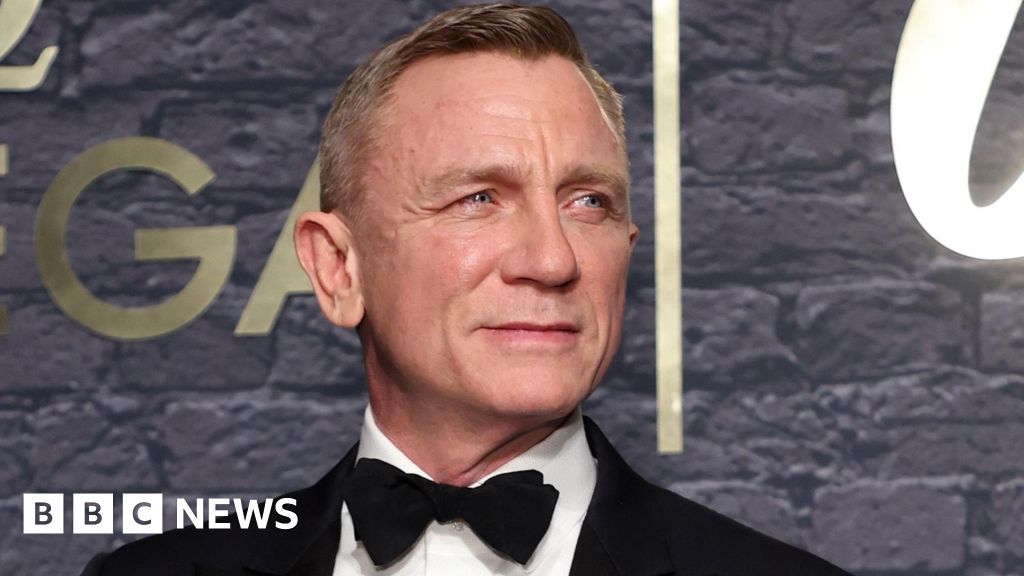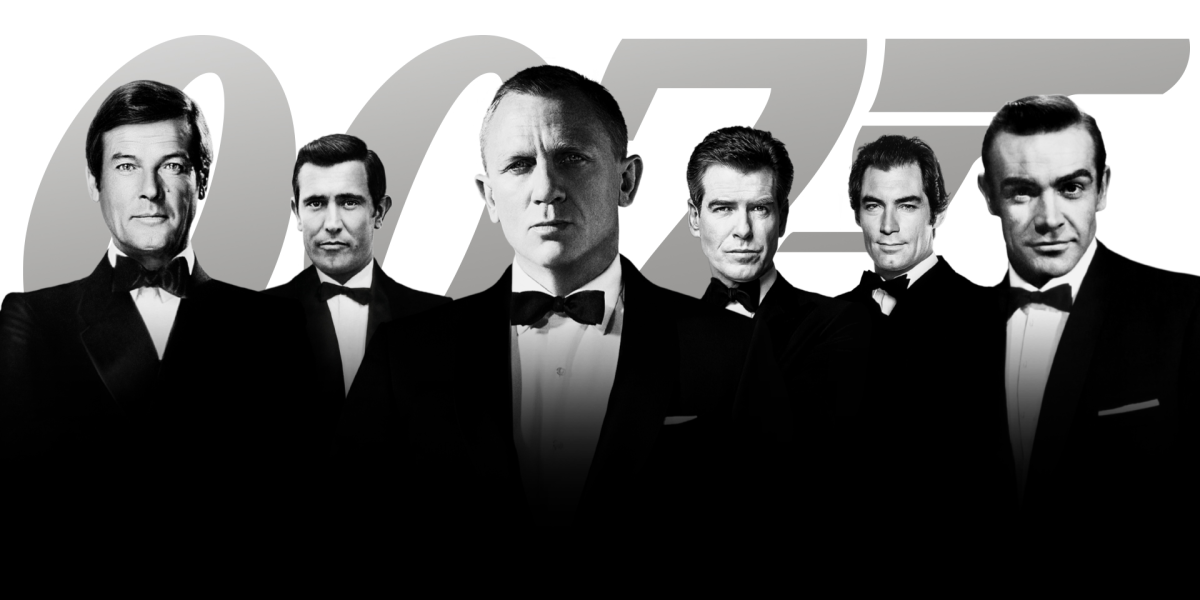
The formal activation of the search for the twenty-sixth James Bond marks a high-stakes institutional transition for the most valuable asset in the MGM portfolio. By initiating auditions for Daniel Craig’s successor, Amazon MGM Studios has signaled the end of a calculated 15-month period of deliberate dormancy. This move represents the first major strategic deployment of the 007 intellectual property (IP) since the completion of Amazon’s acquisition, shifting the franchise from legacy management to an integrated corporate stewardship model.
The Nina Gold Mandate: Prioritizing Identity Over Star Power
The appointment of Nina Gold as lead casting director offers critical insight into the studio’s long-term commercial strategy. Gold, renowned for her transformative casting in Game of Thrones and Star Wars, brings a proven methodology of identifying ‘discovery’ talent capable of sustaining multi-decade narrative arcs. This approach prioritizes character-brand synergy over the immediate, yet often diminishing, returns of established box-office stars.
By leveraging Gold’s expertise, Amazon MGM is likely seeking a performer who can balance the character’s traditional archetypes—suaveness and lethal capability—with the psychological stamina required for a potential 10-to-15-year tenure. This strategy mitigates high-salary overhead while maximizing the actor’s malleability, ensuring the performer becomes synonymous with the brand rather than overshadowing it.
Prestige Architecture: The Villeneuve-Knight Creative Synergy
The reported assembly of a creative vanguard including director Denis Villeneuve, screenwriter Steven Knight, and veteran producers Amy Pascal and David Heyman suggests a pivot toward ‘prestige blockbusters.’ Villeneuve’s mastery of visual scale, evidenced in Dune, indicates that the next iteration of Bond will emphasize atmospheric depth and world-building over formulaic action tropes. This aligns the franchise with modern cinematic standards where auteur-driven direction is essential for critical and commercial longevity.
Steven Knight’s involvement introduces a narrative grit focused on the intersection of personal psychology and systemic power. This collaboration is designed to redefine Bond for a post-Craig audience that demands intellectual complexity alongside traditional spectacle. The participation of Pascal and Heyman provides an additional layer of institutional safeguards, ensuring that the ambitious creative vision remains grounded in the operational realities of global franchise management.
Operational Discipline and Market Positioning
The studio’s disciplined 15-month transition period reflects a prioritization of structural integrity over rapid production cycles. In a media landscape saturated with rapid-fire cinematic universes, Amazon MGM is positioning Bond as a premium, exclusive theatrical event. This controlled approach to information disclosure is a hallmark of high-value IP management, intended to build anticipation while protecting the brand’s exclusivity from premature market saturation.
Replacing Daniel Craig—whose tenure redefined the character through emotional vulnerability—presents a significant risk-management challenge. Consequently, the current audition phase is being conducted under strict confidentiality to preserve negotiation leverage. The outcome of this search will do more than fill a vacancy; it will establish the cultural and financial trajectory of the 007 legacy for the next generation.