The Trump administration has enacted a significant fiscal intervention by deferring $1.3 billion in Medicaid payments to California, signaling a strategic recalibration of federal oversight. Vice President JD Vance, operating as the administration’s ‘fraud czar,’ attributed the suspension to California’s perceived failure to aggressively prosecute systemic fraud. This move follows a $350 million deferral to Minnesota, establishing a clear administrative precedent for leveraging federal matching funds to enforce state-level compliance.
Fiscal Leverages and the Mechanics of Deferral
Unlike a permanent funding cut, a deferral acts as a liquidity constraint, disrupting the immediate cash flow required for provider reimbursements. By withholding $1.3 billion, the federal government exerts pressure on California’s Department of Health Care Services to reconcile budgetary gaps. The administration argues that fraudsters have exploited the state’s Medicaid framework to facilitate false prescriptions and unnecessary medical administrations, necessitating this high-stakes fiscal audit.
Systemic Pressure on Medicaid Fraud Control Units (MFCUs)
The intervention extends beyond California, with a nationwide mandate targeting all 50 state Medicaid Fraud Control Units (MFCUs). As these units rely heavily on federal grants, the administration’s threat to freeze funding represents an existential risk to state-level investigative agencies. This centralized approach shifts healthcare policing from state discretion to a federally directed model, requiring states to align their prosecutorial priorities with the White House’s anti-fraud agenda to maintain operational solvency.
Market Disruption: The Medicare Moratorium
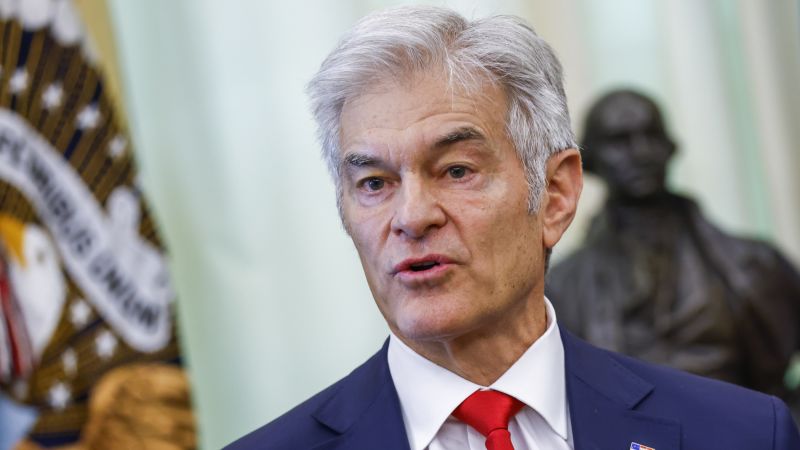
Concurrently, a six-month nationwide moratorium on new Medicare enrollment for hospice and home health providers has been implemented. This regulatory freeze, overseen by CMS Administrator Dr. Mehmet Oz and Vice President Vance, aims to harden vetting processes. However, it also creates significant barriers to entry in the post-acute care market, effectively halting capital investment cycles and disrupting the competitive landscape for emerging healthcare enterprises.
Centralized Governance and Institutional Friction
The consolidation of anti-fraud authority within the Vice Presidency marks a departure from traditional Department of Health and Human Services (HHS) autonomy. While the administration frames these actions as a defense of the taxpayer and the long-term solvency of entitlement programs, critics view the targeting of Democratic-led states as a manifestation of institutional friction. The outcome of the 50-state MFCU review will serve as a definitive indicator of the future of cooperative federalism in American healthcare administration.