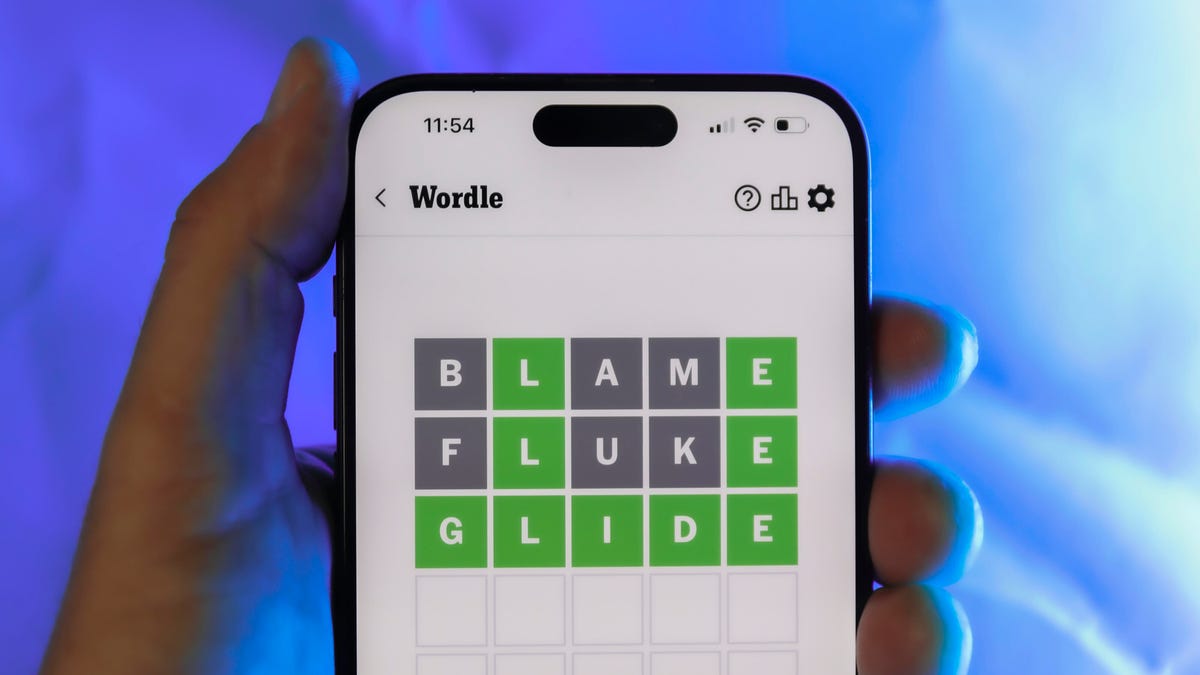
The evolution of Wordle from a bespoke lockdown project to a cornerstone of the New York Times (NYT) digital portfolio serves as a definitive case study in low-friction user acquisition. Originally engineered by Josh Wardle as a localized engagement tool, the platform’s transition to a global audience of over two million active users highlights the efficacy of scarcity-based design. By institutionalizing this utility within a legacy media framework, the NYT has transformed a minimalist puzzle into a high-leverage entry point for its broader subscription ecosystem.
The Behavioral Economics of Scarcity
Wordle’s operational success stems from its rejection of the high-frequency engagement metrics that typically define mobile gaming. By limiting play to a single daily iteration, the game creates a ‘manufactured scarcity’ that prevents user fatigue while cultivating a non-negotiable daily habit. This friction-heavy design ensures a synchronized global experience, maximizing the social capital of result-sharing within a strict twenty-four-hour window.
The five-letter, six-attempt architecture reflects a precise psychological equilibrium. It maintains a low barrier to entry while ensuring the cognitive load is sufficient to trigger a dopamine-backed sense of accomplishment. For the NYT, this calibration is essential for a top-of-funnel product, capturing a broad demographic without the significant time commitment required by traditional crosswords.
Ecosystem Synergies and Subscription Funnels
Wordle’s expansion was driven by organic social proof rather than traditional marketing spend. This viral mechanism provided the NYT with a pre-qualified audience that could be integrated into its digital model with minimal friction. Strategically, Wordle functions as a gateway to the NYT Games suite, including Connections and the Mini Crossword. By positioning a free ritual at the center of its interface, the institution can cross-promote premium content, effectively lowering the cost of subscriber acquisition (CAC) and increasing the lifetime value (LTV) of the user base.
Linguistic Entropy and Algorithmic Neutrality
The ‘Creator’s Paradox’—Josh Wardle’s admission that he does not consistently outperform the average player—underscores the game’s reliance on linguistic probability over insider knowledge. This systemic neutrality is vital for maintaining the integrity of the global leaderboard. The game’s dependence on standard English vocabulary and predictable letter frequencies ensures a level playing field, which is the foundational trust required for social sharing.
Technical analysis of specific puzzles, such as the use of ‘BASIL,’ reveals a strategic use of phonetic patterns to challenge the player base. While utilizing a common CVCVC structure, starting with a statistically less frequent initial letter forces players to abandon high-frequency heuristics. This constant linguistic calibration ensures that the experience remains cognitively demanding despite its mechanical simplicity.
Data-Driven Optimization and Market Positioning
The NYT’s analysis of failure rates and ‘tough words’ indicates that Wordle has evolved into a sophisticated data engine. By monitoring user performance, the organization can optimize the difficulty curve to maintain long-term engagement. In the broader ‘attention economy,’ Wordle represents a shift away from time-on-device metrics toward high-value, sustainable interactions. This model is increasingly attractive to partners who prioritize consistent user loyalty over fleeting engagement spikes.
Operationally, Wordle’s web-based, app-agnostic interface removes the friction of updates, ensuring global accessibility. This lean model provides high-margin leverage for the NYT, contributing to its digital division’s financial health. As the institution navigates a digital-first future, Wordle’s ability to balance accessibility with depth remains a primary driver of institutional growth and user retention.