Operational Asymmetry and Campaign Hiatus
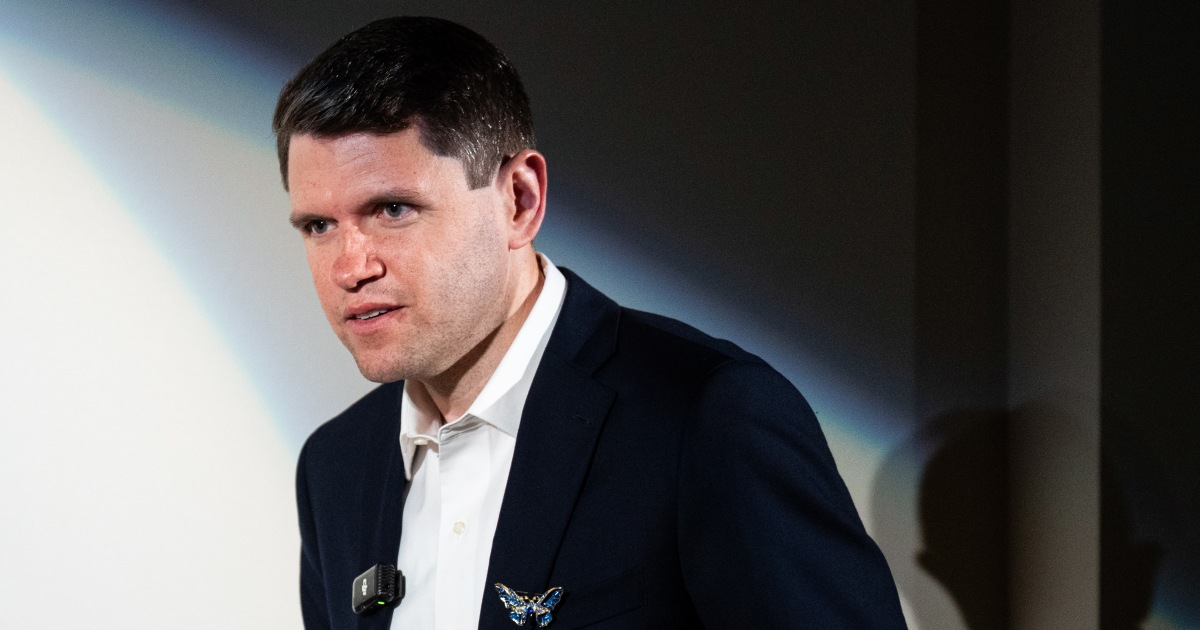
The Texas Senate race has shifted into a period of acute operational asymmetry. Democratic challenger James Talarico, seeking to dismantle a three-decade Republican winning streak, has remained off the physical campaign trail for twelve consecutive days due to an incapacitating bout of influenza. In a statewide contest encompassing over 30 million residents and multiple expensive media markets, an extended withdrawal during the closing mobilization phase creates a critical strategic vacuum.
The timeline of this interruption intersects with sensitive optics. Following a high-yield donor event in New York City on September 29—a structural necessity for Democratic contenders requiring substantial out-of-state capital to compete across Texas’s media markets—Talarico shifted to virtual appearances, including an address to the Hispanic Business Council, before seeking treatment at a Dallas urgent care facility. While addressing biological necessity, this sequence has constrained the campaign’s retail capacity and surrendered narrative momentum to the opposition.
The Rhetoric of Physicality: Cultural Framing and Counter-Offensives
Republican Attorney General Ken Paxton moved rapidly to exploit this operational opening by deploying a messaging framework grounded in traditional “Texas Tough” archetypes. By demanding “proof of life” and a photograph with a current newspaper, the Paxton campaign executed a targeted rhetorical strategy to frame standard medical convalescence as evasiveness and physical fragility.
This tactic intentionally pivots campaign discourse away from legislative policy toward personal endurance and authenticity. By questioning the challenger’s physical stamina, the incumbent apparatus seeks to activate conservative cultural norms that associate executive authority with overt toughness. This dynamic was reinforced by attacks on Talarico’s personal lifestyle, notably claims that the candidate misrepresents his dietary choices—alleging he is a vegan compelled to consume meat for electoral optics—in a deliberate effort to alienate him from traditional rural and agricultural constituencies.
Presidential Intervention and Institutional Anxiety
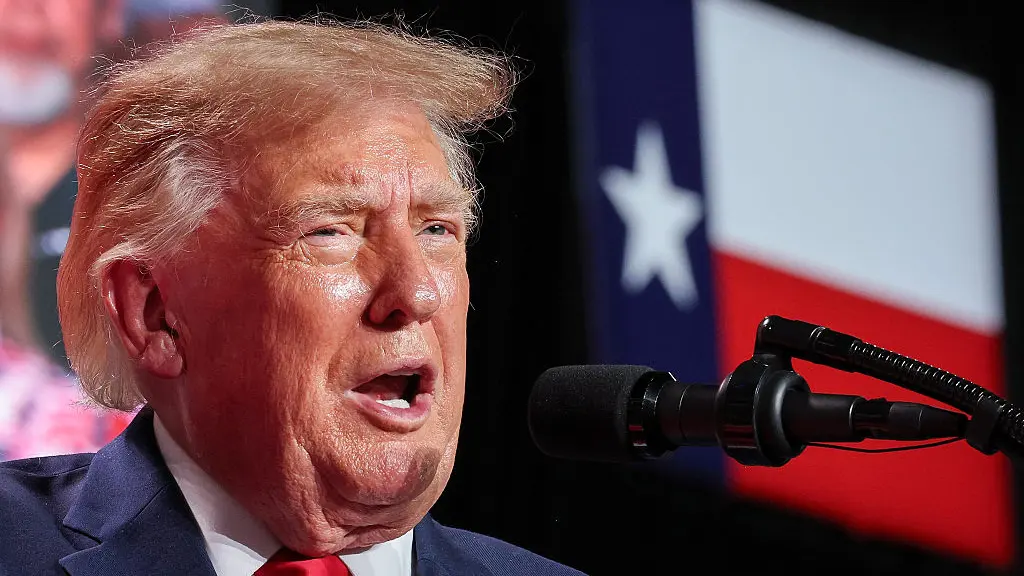
The vulnerability introduced by this operational pause catalyzed national Republican mobilization. Former President Donald Trump’s rally for Paxton in San Antonio underscored the race’s institutional stakes, functioning as an operational force multiplier across south-central Texas. Trump’s assertion that he would “never forgive” the electorate if Talarico prevailed, paired with an unusual admission of “trepidation” regarding the durability of the state’s Republican hegemony, indicates elevated defensive urgency within the party’s hierarchy.
Trump’s rhetoric aggressively targeted Talarico’s cultural positioning, polarizing the electorate to ensure maximal base turnout. Framing the contest as an existential defense of Texas’s socio-political order reflects standard incumbent behavior when internal polling or macro conditions signal narrowing margins in traditionally secure jurisdictions.
Strategic Outlook for the Closing Cycle
For the challenger, an anticipated return to the field this weekend represents an urgent pivot point. The primary operational test will be whether the Democratic apparatus can recalibrate its retail infrastructure, overcome twelve days of messaging deficit, and deflect attacks against candidate resilience.
Conversely, the Republican apparatus must demonstrate that its focus on personal disqualification and cultural authenticity can sustain high turnout among the base without alienating moderate suburban voters. The final trajectory of the contest will indicate whether operational interruptions and proxy authenticity battles can permanently derail a statewide challenger, or if structural fundamentals will reassert themselves down the stretch.