Delayed Hurricane Genesis Points to Shifting Climate Dynamics
The emergence of Hurricane Isaias as the first named Atlantic hurricane of the season, occurring significantly later than the historical average, signals a notable disruption in typical meteorological patterns. This delay, a record in the satellite era, indicates a complex interplay of atmospheric and oceanic conditions increasingly influenced by global climate shifts.
A primary driver cited for this extraordinary delay is the presence of El Niño. Despite its typical association with the Pacific Ocean, El Niño significantly influences the Atlantic basin by altering critical atmospheric variables for hurricane development, including the balance of wind shear and atmospheric moisture essential for tropical cyclone genesis and sustenance.
El Niño’s Disruptive Influence on Atlantic Meteorology
El Niño’s Atlantic impact is characterized by its modulation of wind patterns and moisture levels. It can increase vertical wind shear, which tears apart developing storm systems, preventing organization and intensification. Concurrently, El Niño can also influence atmospheric moisture, potentially creating conditions less conducive to the sustained convection required for storm formation.
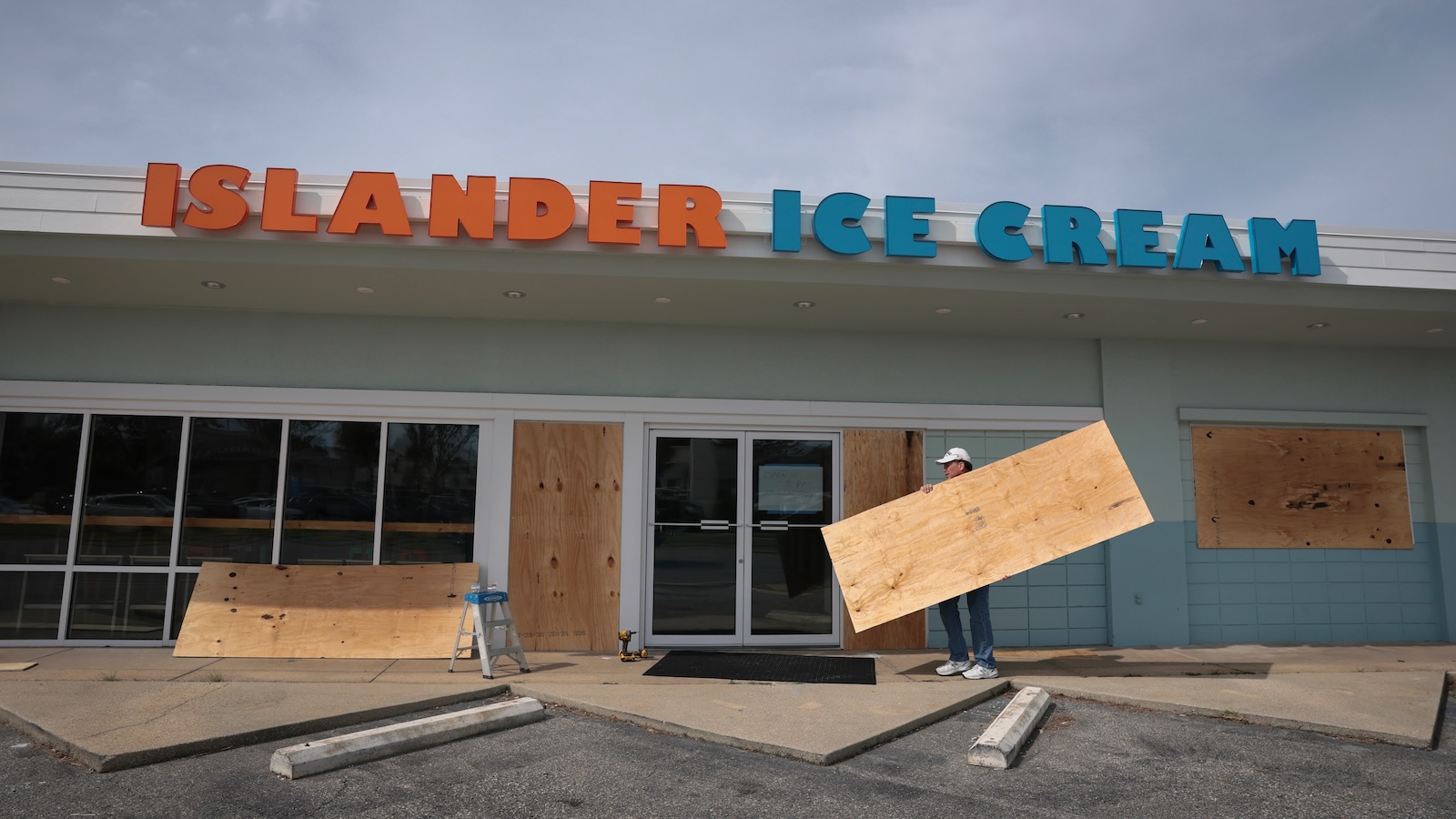
The strategic implication of El Niño’s influence extends to forecasting and preparedness. A delayed start can create a false sense of security, potentially leading to recalibrated resource allocation and public awareness campaigns. However, the intensity of storms that do form, even if delayed, remains a critical concern, especially when coupled with other climate-driven factors.
Warming Oceans: A Catalyst for Intensifying Storms
Beyond El Niño’s immediate influence on storm timing, broader climate change is demonstrably contributing to tropical cyclone intensity. Rapid ocean warming, a documented consequence of anthropogenic greenhouse gas emissions, provides a more potent energy source for hurricanes. Warmer sea surface temperatures directly translate into increased evaporation and latent heat release within the storm’s core, fueling more powerful systems.
This dual influence—El Niño affecting timing and warming oceans affecting intensity—creates a complex and challenging environment for meteorologists and emergency management. Historical data, which informs much hurricane preparedness, may become less reliable as these underlying climate drivers evolve. This necessitates continuous re-evaluation of predictive models and response strategies.
Duke Energy’s Preparedness and Strategic Response
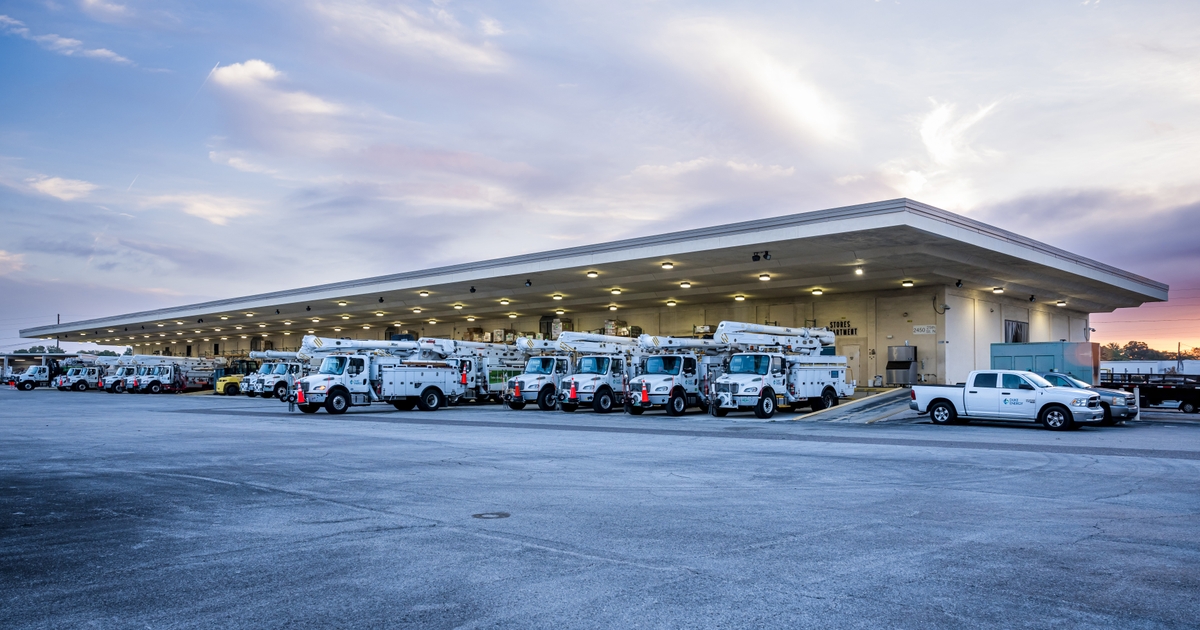
In the face of evolving meteorological conditions, utility providers like Duke Energy Florida maintain robust, adaptive preparedness strategies. The company’s readiness for Hurricane Isaias, involving pre-positioning resources and personnel, reflects a commitment to operational resilience informed by experience and a strategic imperative to minimize service disruptions.
Duke Energy’s approach highlights the critical role of logistical planning and resource management in the energy sector’s disaster response. Inventorying supplies and readying line technicians, vegetation workers, and damage assessors are operational components of a strategic framework for rapid power restoration. This involves continuous refinement of response skills, as evidenced by their emphasis on year-round training.
Stakeholder Implications: Customers and Infrastructure
For customers, utility provider preparedness directly impacts their safety and daily lives. Assurance of swift power restoration is a key service expectation. Duke Energy’s communication of its readiness aims to manage these expectations, with multiple channels for reporting outages enhancing customer engagement and efficient information flow during crises.
The power grid infrastructure is also a critical stakeholder. Duke Energy’s operational readiness includes ensuring grid integrity and having the capacity to repair damage from high winds, heavy rainfall, and potential flooding. The availability of lineworkers to address both major storm impacts and routine outages in unaffected areas underscores a layered approach to service delivery, balancing emergency response with ongoing operational demands.
Broader Industry and Regulatory Considerations
The operational challenges of unpredictable storm seasons have broader implications for the energy industry and regulators. Utilities must continually invest in grid modernization and hardening to withstand severe weather. Strategies include undergrounding power lines, enhancing vegetation management, and developing more resilient distribution networks.
Regulatory frameworks may need adaptation to incentivize or mandate these resilience investments. The financial implications for utilities are substantial, requiring careful consideration of capital expenditure, rate-setting, and the balance between operational costs and customer affordability. Strategic decisions made by companies like Duke Energy in response to climate-driven events will shape their long-term financial health and service reliability.
Climate Science and Future Projections
Scientific observations regarding Hurricane Isaias’s late arrival and underlying climate factors are crucial for future projections. The acknowledgement that hurricanes are becoming more intense due to rapidly warming oceans provides a stark warning about escalating tropical cyclone risks. This scientific consensus drives ongoing research into climate modeling and extreme weather events.
Implications for future hurricane seasons are significant. While El Niño’s influence on timing can vary, the persistent trend of ocean warming suggests that when hurricanes do form, they are likely to possess greater intensity. This necessitates a forward-looking approach to disaster preparedness, infrastructure resilience, and climate adaptation.
Strategic Recalibration in a Changing Climate
The events surrounding Hurricane Isaias serve as a tangible example of climate change impacting critical infrastructure and public safety. Entities responsible for managing natural disasters must strategically recalibrate risk assessments, preparedness protocols, and resource deployment. Traditional seasonal timelines and intensity predictions may require substantial revision.
The competitive landscape for utility providers may also be affected. Companies demonstrating superior resilience and responsiveness in increasingly severe weather events could gain a competitive advantage through enhanced customer trust and operational efficiency. Conversely, those failing to adapt may face significant financial and reputational repercussions.
The Interconnectedness of Global Climate Systems
The observation that an El Niño event in the Pacific can influence hurricane formation in the Atlantic highlights the interconnectedness of global climate systems. This underscores the need for international cooperation in climate research, data sharing, and the development of mitigation and adaptation strategies. Understanding these complex teleconnections is vital for accurate forecasting and effective global risk management.
Financial markets also monitor these developments, as widespread destruction from severe weather can impact insurance markets, commodity prices, and economic stability. Investors are increasingly incorporating climate risk into their long-term strategic planning, recognizing the systemic implications of climate change.
Long-Term Implications for Infrastructure and Policy
The recurring theme of intensifying storms due to warming oceans compels a long-term perspective on infrastructure development and policy. Building codes, coastal land-use planning, and design standards for critical infrastructure must evolve to account for projected increases in storm severity, requiring sustained investment and commitment to climate-resilient design.
Policymakers face the challenge of balancing immediate economic concerns with the long-term imperative of climate adaptation. Decisions on energy policy, emissions reduction, and disaster preparedness funding will have profound implications for future generations. Strategic choices will determine societies’ capacity to mitigate risks and adapt to climate change impacts.
Conclusion: A Call for Adaptive Preparedness
Hurricane Isaias’s delayed yet potent arrival serves as a critical inflection point, emphasizing that predictable storm seasons may be receding. The confluence of El Niño’s influence on timing and warming oceans driving intensity demands a paradigm shift in how we prepare for and respond to tropical cyclones.
For utility providers, government agencies, and the public, the imperative is clear: embrace adaptive preparedness. This means moving beyond historical norms to incorporate the latest climate science into planning, investing in resilient infrastructure, and fostering continuous learning and improvement in the face of an evolving environmental landscape.