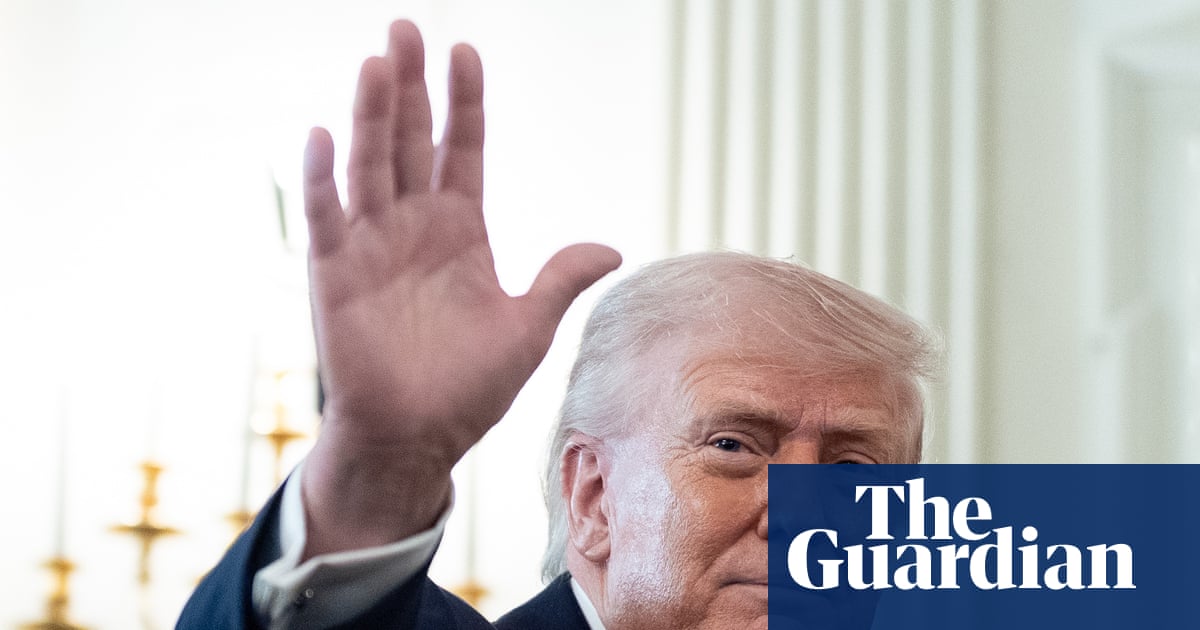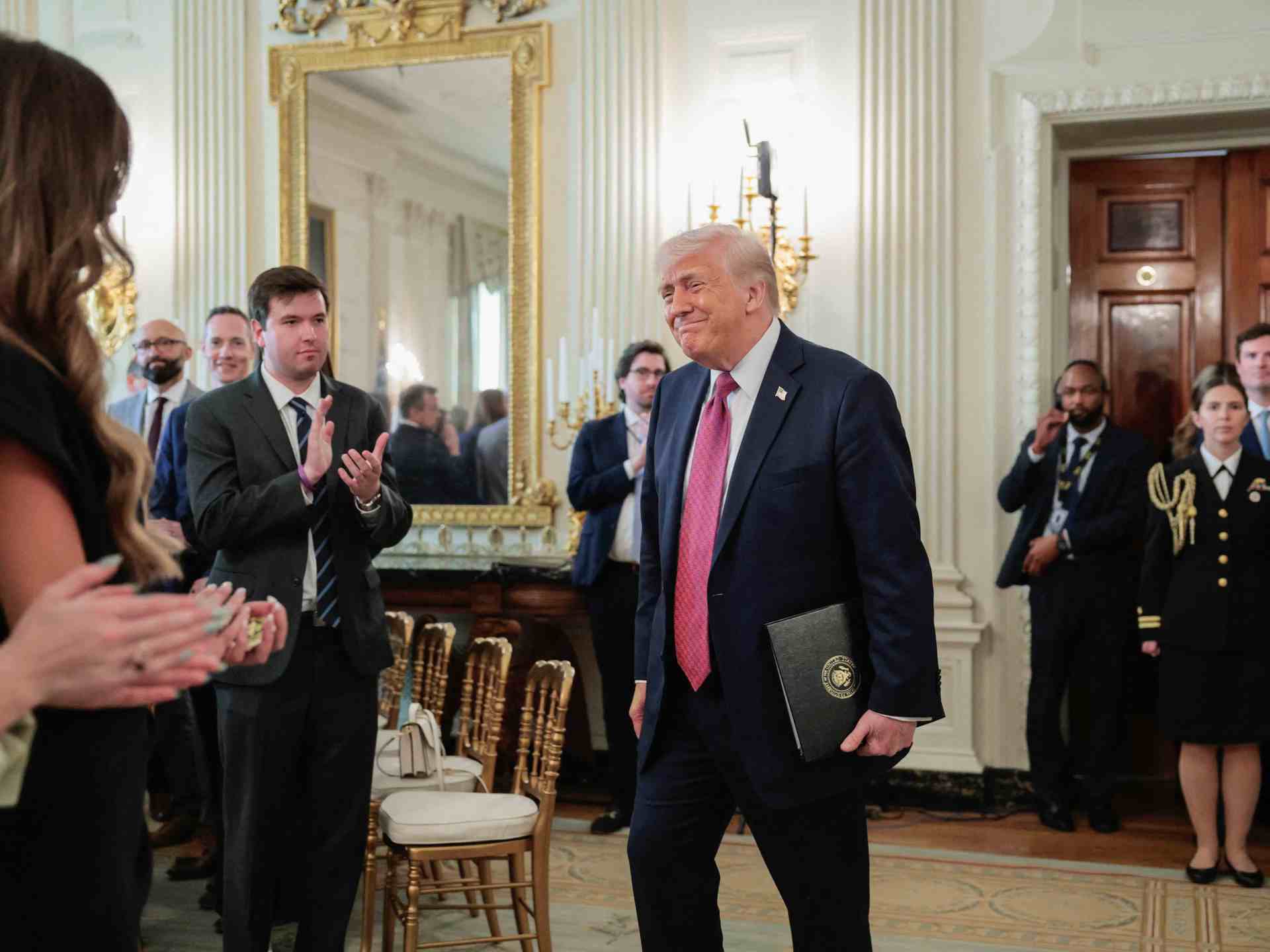
The participation of Donald Trump in the “America Reads the Bible” marathon from the Oval Office represents the deliberate instrumentalization of executive space for sectarian mobilization. By selecting 2 Chronicles 7:11-22, the event leverages a scriptural framework that serves as a cornerstone for the “Christian nation” narrative, effectively merging the symbolic weight of the presidency with a specific theological agenda.
Institutional Drivers and Parallel Media Infrastructure
The Family Policy Alliance Foundation (FPAF), through its ministry Christians Engaged, acted as the primary architect of this event. As a conservative lobbying entity focused on restricted reproductive access and gender-related healthcare, FPAF’s involvement transforms the scriptural reading into a legislative signaling device. This alignment is amplified by Great American Media’s livestreaming infrastructure, which facilitates a self-contained media ecosystem. This digital bypass allows the executive to engage a niche, high-intent demographic directly, insulating the message from traditional journalistic scrutiny while institutionalizing biblical influence within the capital’s geography.
Hermeneutics of National Repentance
The focus on 2 Chronicles 7:14—emphasizing national repentance and divine restoration—functions as a potent rhetorical instrument for political mobilization. By extending the reading to include verses 11-22, Trump incorporates a covenantal narrative that warns of divine retribution for abandonment of religious foundations. This theological framework enables the categorization of political opposition as a violation of a national-divine contract, thereby sharpening ideological boundaries and providing an urgent mandate for social and legislative reform.
Reputational Correction and Religious Sovereignty
This engagement serves as a critical strategic recalibration following a publicized standoff with Pope Leo XIV and the controversy surrounding AI-generated messianic iconography. By retreating to the Old Testament, the administration adopts a more conventional form of religious expression, stabilizing its standing with evangelical and fundamentalist leaders who may have viewed previous digital portrayals as heterodox. This move effectively bypasses international religious hierarchies, asserting a direct, nationalistic claim to divine favor that prioritizes domestic Protestant support over global Catholic influence.
Policy Implications and Judicial Trajectory
The integration of theological justification into the Oval Office serves as a precursor to intensified policy efforts in the healthcare and legal sectors. By defining the “healing of the land” through specific legislative goals, the event signals a blurring of the boundaries between state functions and private advocacy. This narrative of return to “spiritual foundations” has profound implications for the interpretation of the First Amendment and future judicial appointments, suggesting a governance model where religious identity is increasingly inextricable from constitutional interpretation.