Institutional Erosion and the Crisis of Clerical Legitimacy
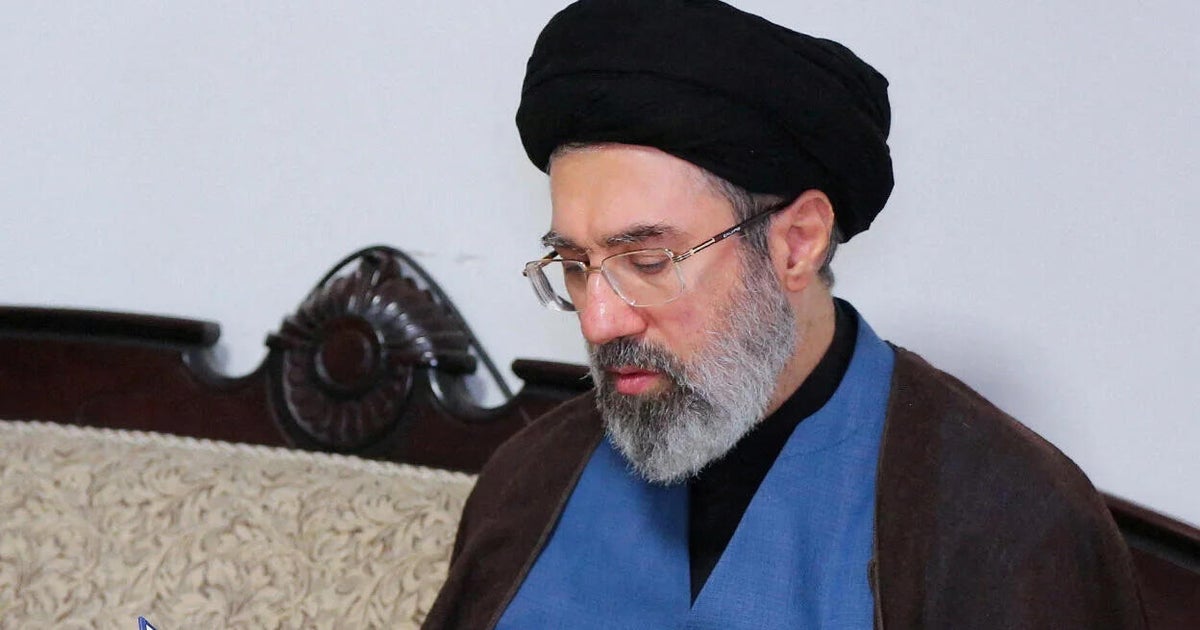
The appointment of Mojtaba Khamenei by the Assembly of Experts marks a fundamental systemic realignment within the Islamic Republic. This transition, forced by the kinetic decapitation of the previous leadership, bypasses traditional consensus-building mechanisms, signaling an existential pivot toward survival over theological validation. The clerical establishment’s rush to consolidate power suggests an acute awareness of institutional fragility amid sustained external pressure.
Intelligence assessments suggest this elevation lacks the prerequisite intellectual and religious authority typically demanded by the office of the Supreme Leader. The reported misgivings of Ali Khamenei regarding his son’s aptitude introduce a destabilizing narrative: if the state’s architect doubted the successor, the foundational loyalty of the Islamic Revolutionary Guard Corps (IRGC) and the wider bureaucracy faces an unprecedented test of cohesion.
Intelligence Devaluation and the Leadership Void
Strategic leaks regarding Mojtaba Khamenei’s lack of qualifications serve as a psychological operation to delegitimize his authority before it can be codified through governance. By highlighting personal vulnerabilities and intellectual deficits, external actors and internal rivals amplify the perception of a puppet regime, potentially inciting factionalism within the security apparatus. This erosion of charisma is particularly lethal in a theocracy where the leader’s perceived spiritual mandate is the primary instrument of social and political control.
The Kinetic Logic of Systematic Attrition
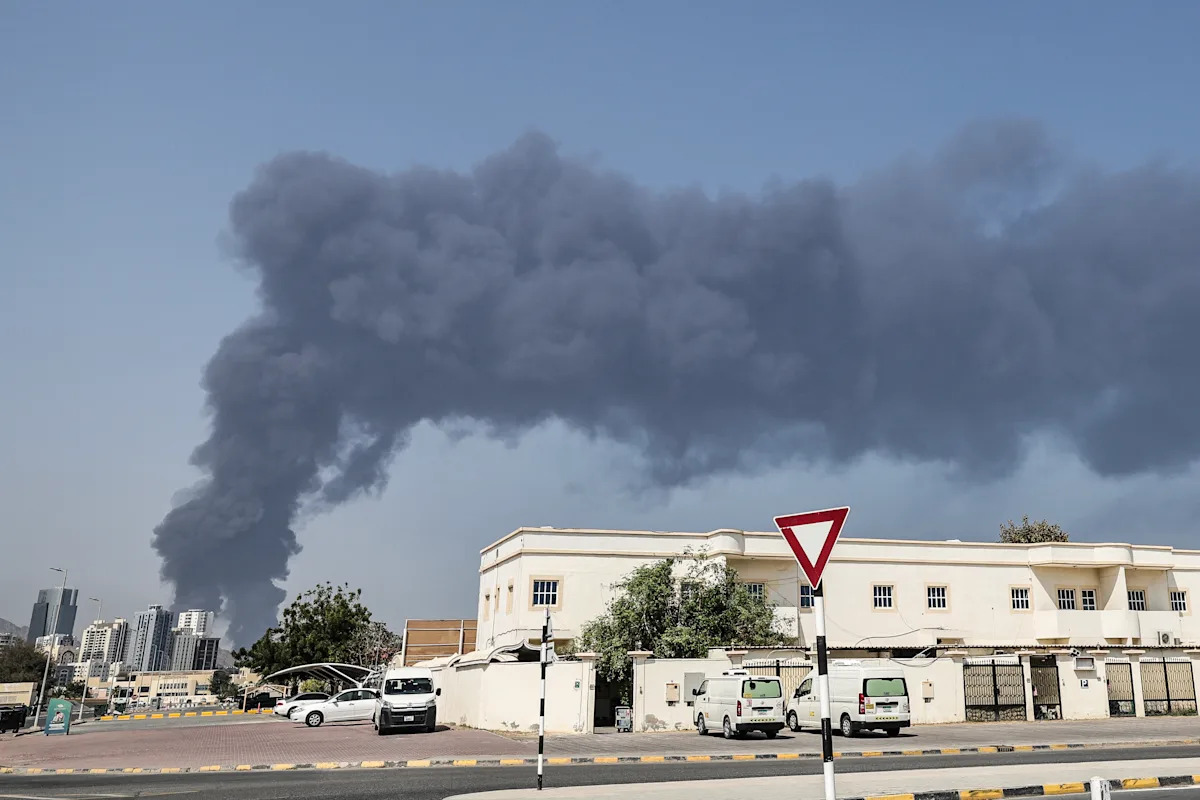
The campaign of over 7,000 strikes since late February represents a transition from tactical containment to high-intensity attrition. By targeting command-and-control nodes and air defense networks, these operations have functionally isolated the leadership from its operational base. The physical compromise of the Khamenei lineage during these strikes creates a persistent ‘command vacuum,’ shifting the burden of statecraft to decentralized committees and mid-level commanders, often resulting in erratic policy execution.
Kharg Island: Economic Asymmetry and Signaling
The concentration of strikes on military installations at Kharg Island, while deliberately sparing oil export infrastructure, constitutes a sophisticated form of economic signaling. This approach maintains the global oil supply while demonstrating a capacity for total financial strangulation. The Iranian state finds itself in a strategic paradox: it must defend its primary revenue hub with a military apparatus that is being systematically dismantled, leaving the regime’s solvency as collateral for its regional conduct.
Maritime Brinkmanship and the Hormuz Dilemma
Threats to restrict the Strait of Hormuz represent Iran’s remaining asymmetric leverage. However, weaponizing this maritime chokepoint risks a total naval confrontation that would likely result in the permanent destruction of Iran’s remaining energy assets. This policy attempt to wedge the U.S. away from its allies backfires by reinforcing a global mandate for maritime security, further isolating Tehran from neutral trade partners.
The ‘Status Unknown’ Narrative as Diplomatic Pressure
The public questioning of Mojtaba Khamenei’s vitality by Western administrations forces the Iranian state into a defensive posture. In a system centered on a singular arbiter of law, a leader who cannot definitively prove his presence or health loses the ability to project domestic order or negotiate international treaties. This uncertainty invites opportunistic behavior from internal dissidents and complicates the chain of command, as the IRGC must weigh the risks of defending a potentially non-existent or incapacitated figurehead.
Conclusion: The End of Continuity
The transition from Ali to Mojtaba Khamenei is defined not by stability, but by the degradation of the Iranian state’s physical and financial foundations. The intersection of intelligence-led delegitimization and precision military attrition has transformed the succession into a period of maximum vulnerability. Whether the clerical framework can adapt to this decentralized reality or collapse under the weight of its own internal contradictions remains the defining question for regional stability.