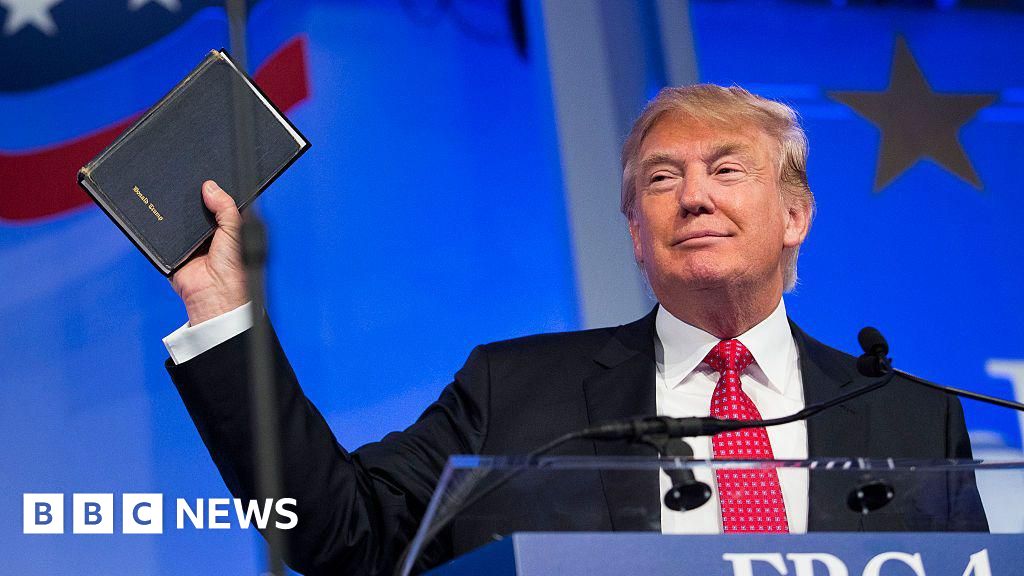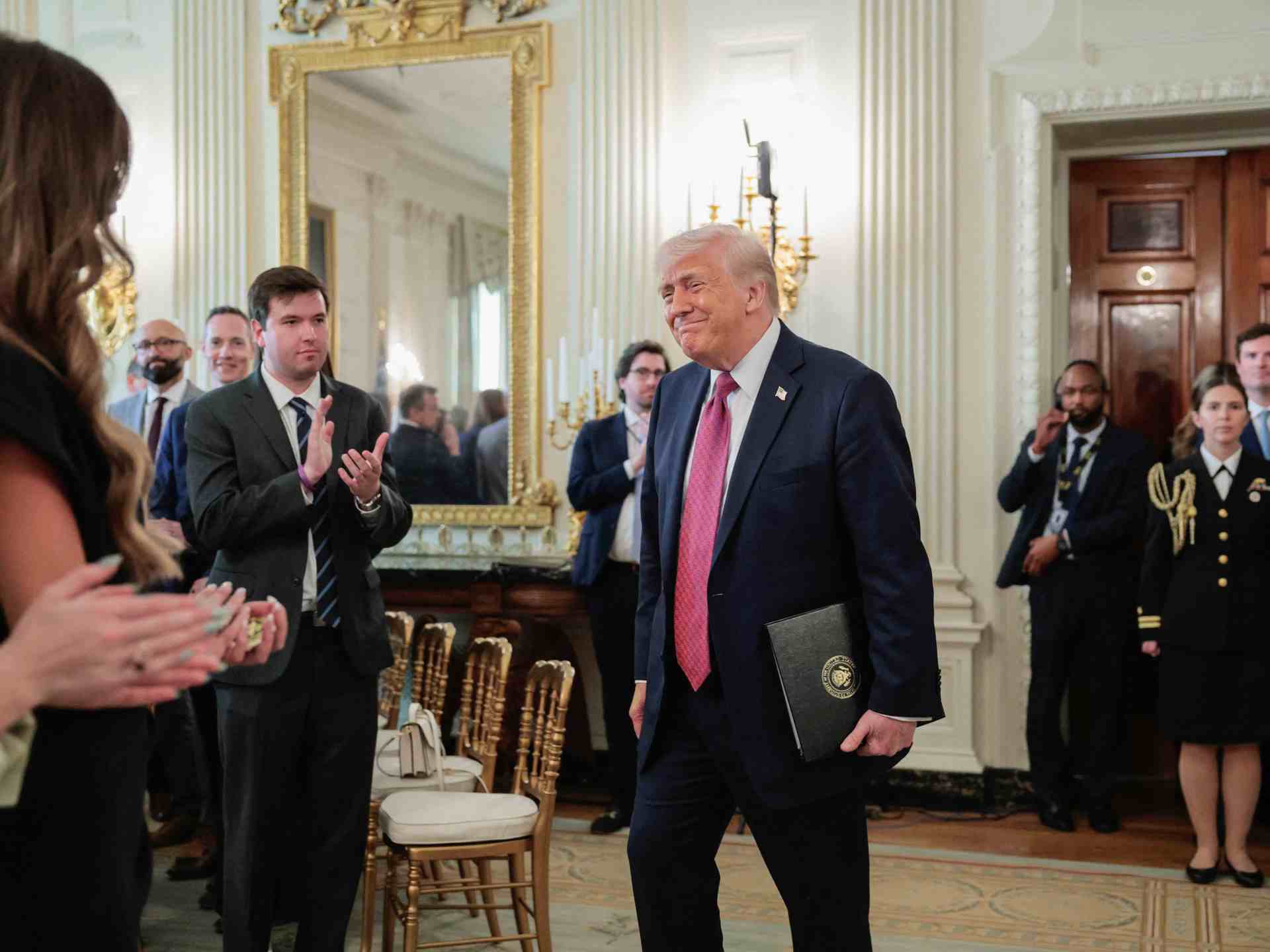
President Donald Trump’s participation in the ‘America Reads the Bible’ marathon represents a sophisticated fusion of executive authority and theocratic media strategy. By utilizing the Oval Office to record 2 Chronicles 7:11-22, the administration has transitioned from sporadic religious rhetoric to a structured theological framework that posits national repentance as a prerequisite for state success. This maneuver occurs amidst acute diplomatic tension with Pope Leo XIV and a strategic need to recalibrate support following controversies involving AI-generated religious iconography.
Theological Utility and the 2 Chronicles Framework
The selection of 2 Chronicles 7:11-22 functions as a foundational text for the American religious right, emphasizing divine response to national humility. By reciting the call for citizens to ‘turn from their wicked ways,’ the President adopts a clerical role, framing the administration’s agenda as an instrument of biblical fulfillment. This setting—the Oval Office—recontextualizes a religious act into a statement of executive intent, suggesting that federal policy and scriptural adherence are increasingly indistinguishable.
Strategically, this orthodox display serves as a corrective to the friction caused by prior AI-generated depictions of the President in messianic roles. By engaging in the traditionalist act of scripture reading, the administration stabilizes its base, pivoting from divisive self-deification toward a conventional posture as a ‘defender of the faith.’ The visual inclusion of the presidential flag serves to bind national identity directly to this specific Protestant biblical interpretation.
Institutionalization within Federal Agencies
The normalization of religious practice has extended beyond the White House into the Department of Defense. Secretary Pete Hegseth’s integration of scripture and prayer into official press briefings represents a significant departure from the secular protocols traditionally governing the national security apparatus. This shift suggests a broader structural effort to embed religious alignment into the institutional culture of federal agencies, potentially altering internal morale and recruitment criteria.
These developments pose a direct challenge to established interpretations of the Establishment Clause. While the administration frames these actions as a return to the nation’s 1776 roots, legal analysts identify a move toward a formal religious-state partnership. This institutionalization is particularly impactful within the military establishment, where the merge of partisan piety and national security may reshape the global perception of U.S. military posture.
The Parallel Media and Lobbying Apparatus
The event’s logistics highlight a robust infrastructure consisting of Great American Media and the Family Policy Alliance Foundation. Great American Media’s role as the primary livestreaming platform illustrates the rising power of niche, faith-based media in bypassing traditional news cycles. This partnership allows the executive branch to communicate directly with an ideologically curated audience, insulating the administration from critical mainstream inquiry.
The Family Policy Alliance, through its ministry ‘Christians Engaged,’ provides the legislative backbone to this symbolic outreach. Their involvement links the act of Bible reading to specific policy objectives, including the defunding of abortion providers and the restriction of transgender healthcare. Consequently, the Bible marathon is not merely a devotional exercise but a mobilization tool designed to convert symbolic capital into tangible legislative gains during the nation’s 250th-anniversary celebrations.
Geopolitical and Ecclesiastical Friction
The public rift with Pope Leo XIV adds a layer of ecclesiastical conflict to this domestic strategy. By championing a Protestant-led scriptural marathon, the President signals a pivot away from global Catholic institutionalism in favor of an American-centric Christian nationalism. This divergence may complicate diplomatic relations with the Holy See and force a realignment among American Catholic voters who find their political loyalties at odds with Vatican critiques.
Ultimately, the headquarters of this movement—the Museum of the Bible in D.C.—serves as a physical anchor for this effort to centralize scripture in public life. The confluence of financial leverage, media reach, and executive endorsement indicates that the administration is building a durable coalition focused on redefining the American constitutional order through the lens of conservative Christian doctrine.