UFC 328: Strategic Nexus of Combat Sports Business
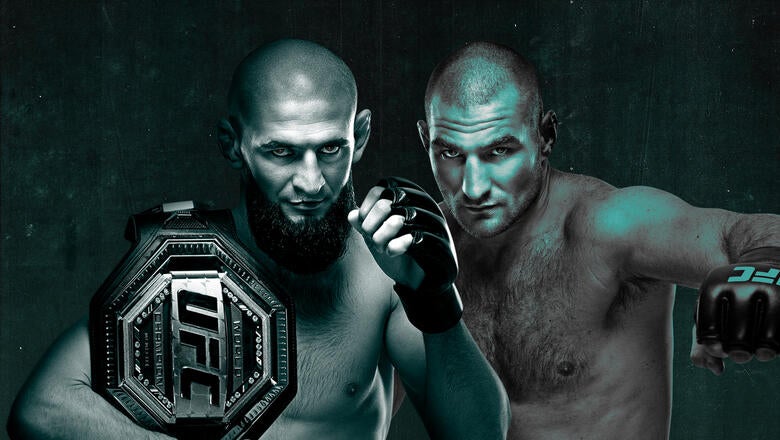
The upcoming UFC 328 event, slated for May 9, 2026, at the Prudential Center in Newark, New Jersey, stands as a critical juncture in the organization’s multifaceted business strategy. Headlined by a pivotal middleweight title defense featuring champion Khamzat Chimaev against former titleholder Sean Strickland, the event is meticulously crafted to maximize commercial impact through high-profile rivalries, championship narratives, and strategic market positioning.
This event structure, leveraging multiple championship bouts and ranked contenders, is fundamental to the UFC’s model. It prioritizes robust pay-per-view (PPV) revenue generation, accelerates global brand expansion, and directly influences fan engagement metrics, media valuation, and the organization’s competitive standing within the broader sports entertainment landscape.
Championship Bouts: Catalysts for Commercial & Competitive Drive
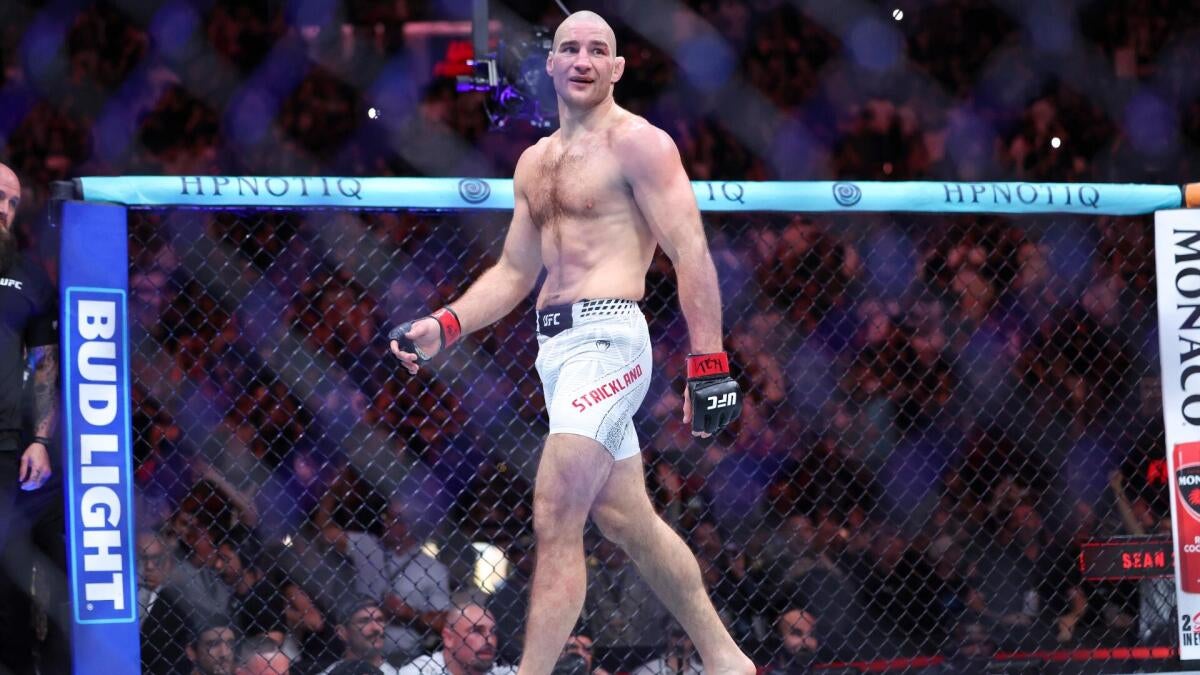
The main event, pitting Khamzat Chimaev against Sean Strickland, is more than a contest; it’s a strategically framed clash between a dominant champion and a ‘bitter rival,’ a narrative essential for promotional leverage and audience capture. Chimaev defends his middleweight belt, having recently secured a unanimous decision over Dricus du Plessis at UFC 319, showcasing his reigning prowess. Strickland, a former champion, re-enters title contention following a decisive knockout against Anthony Hernandez, signaling his resurgent form.
This dynamic—a reigning force encountering a proven, motivated challenger—is a time-tested mechanism for driving significant audience interest and PPV purchases, directly correlating to the event’s financial success. The co-main event, featuring newly crowned flyweight king Joshua Van defending against Tatsuro Taira, further exemplifies this strategy. Cultivating and elevating new championship talent like Van is vital for the long-term sustainability and vibrancy of the UFC roster, ensuring a continuous pipeline of compelling matchups and fresh narratives beyond established stars. These high-stakes encounters not only dictate divisional hierarchies and enhance fighter marketability but also uphold the competitive integrity that underpins the sport’s global appeal, profoundly impacting future matchmaking and promotional cycles.
Under-Card Dynamics: Fueling Divisional Progression & Roster Depth
Beyond the top two attractions, UFC 328’s under-card features significant matchups designed to bolster competitive depth and strategic divisional development. The lightweight bout between veteran King Green and Jeremy Stephens offers a blend of seasoned experience and potential for high-impact moments. Green’s recent knockout victory positions him for continued relevance, while Stephens’ extensive tenure provides a crucial benchmark for emerging talent. Such pairings are instrumental in maintaining roster vitality, offering fighters opportunities to build momentum, and influencing their contractual leverage and future earning potential within the organization.
Similarly, the welterweight clash between No. 6 ranked Sean Brady and No. 9 ranked Joaquin Buckley carries substantial implications for the divisional ladder. This fight directly impacts both contenders’ trajectories, with the victor poised for a significant ascent towards potential title contention. These ranked matchups are strategically crucial: they sculpt the competitive landscape, delineate clear meritocratic pathways for progression, and are essential for sustaining fighter motivation and fan interest in the ongoing saga of divisional dominance.
Monetization Pillars: Streaming Exclusivity & Betting Market Integration
UFC 328’s distribution strategy underscores a pronounced shift towards exclusive streaming partnerships. Paramount+ serves as the sole platform for streaming all UFC numbered events and Fight Nights, representing a cornerstone of its content differentiation strategy. This exclusivity is designed to attract and retain subscribers by offering premium, live sports content unparalleled elsewhere.
For the UFC, these exclusive agreements provide a stable, significant revenue stream, shielding the organization from the volatility of traditional cable television models while exponentially expanding its global digital footprint. This partnership signifies a symbiotic strategic alignment, where both entities leverage their market positions to amplify commercial objectives and broaden audience reach.
The robust integration of sports betting, exemplified by DraftKings Sportsbook providing odds for UFC 328, further illustrates the multi-faceted monetization strategy underpinning major combat sports events. Chimaev’s status as a significant favorite at -520 against Strickland’s +390 reflects sophisticated market sentiment and expert analysis, actively influencing betting patterns and layering an additional dimension of engagement for viewers. The involvement of “elite MMA experts” like SportsLine’s Kyle Marley, offering picks and betting advice, professionalizes sports analytics within the betting ecosystem. This dynamic generates a rich media layer, fostering discussion and amplifying interest across diverse platforms, from mainstream sports news to specialized betting sites.
Operational Logistics & Geographic Strategy: Enhancing Brand Value & Market Reach
Staging an event of UFC 328’s magnitude at the Prudential Center in Newark, New Jersey, demands intricate operational logistics and substantial resource allocation. The selection of a prominent venue in a major metropolitan area is a deliberate strategic choice aimed at maximizing gate revenue, amplifying local media exposure, and ensuring optimal accessibility for a vast fan base. This geographical diversification is a critical component of the UFC’s broader market penetration strategy, consolidating its presence across key domestic and international territories.
The sophisticated live production, spanning fight broadcasts, real-time updates, and post-fight interviews, delivers a comprehensive viewing experience. This unwavering commitment to high-quality production value is paramount for sustaining the UFC’s premium brand image and justifying the pricing of its PPV offerings and exclusive streaming subscriptions. The continuous, real-time delivery of content ensures immediate engagement, extending the event’s impact far beyond the live action and catering to a digital-age audience that expects instant access to information and analysis.
Fighter Economics & Promotional Narratives: Driving Performance & Engagement
The high stakes embedded within championship bouts and ranked contender fights at UFC 328 profoundly influence fighter incentives and career trajectories. For champions like Chimaev and Van, a successful title defense not only solidifies their legacy but also significantly enhances their marketability and financial compensation through augmented fight purses and lucrative endorsement opportunities. Conversely, for challengers such as Strickland and Taira, a victory offers the transformative opportunity to capture championship gold, dramatically recalibrating their career arcs and elevating their status within the sport. The potent combination of financial and reputational rewards acts as a powerful motivator, driving intense competition and elite-level performances.
For ranked contenders like Sean Brady and Joaquin Buckley, a win in a high-profile bout can accelerate their ascent towards a title shot, bolstering their bargaining power for future contracts. This structured progression through rankings and high-visibility matchups forms the bedrock of the UFC’s talent management system, meticulously designed to reward performance and systematically cultivate future stars. Moreover, pre-fight incidents, such as the documented altercation where Chimaev reportedly ‘kicks’ Strickland, are frequently leveraged to amplify promotional narratives. Whether spontaneous or strategically amplified, such events generate heightened media attention and fan curiosity, thereby significantly enhancing the event’s overall commercial appeal and engagement.
Long-Term Strategic Outlook: Adapting to Industry Shifts
The strategic decisions underpinning UFC 328—from fighter matchups to media distribution—mirror broader transformative trends within the sports entertainment industry. The pronounced emphasis on exclusive content for streaming platforms signals an ongoing paradigm shift away from traditional broadcast models, carrying substantial implications for content licensing frameworks and consumer access.
The deep integration of sports betting platforms into the live viewing experience represents both a burgeoning revenue stream and a potent tool for fan engagement. This symbiotic relationship among sports organizations, media partners, and betting operators is fundamentally reshaping the consumption and monetization of live events, forging dynamic new economic ecosystems. The UFC’s consistent delivery of high-quality, high-stakes events like UFC 328 further solidifies its enduring position as the dominant force in combat sports. This sustained operational excellence and strategic foresight are indispensable for maintaining market leadership against emerging competitors and ensuring long-term institutional stability and growth. Finally, the continuous investment in new talent through co-main events and ranked matchups secures the organization’s future competitive viability, preventing over-reliance on a select few marquee stars. This strategic cultivation of roster depth is crucial for sustaining audience interest and ensuring the long-term health, cultural footprint, and commercial longevity of the sport.