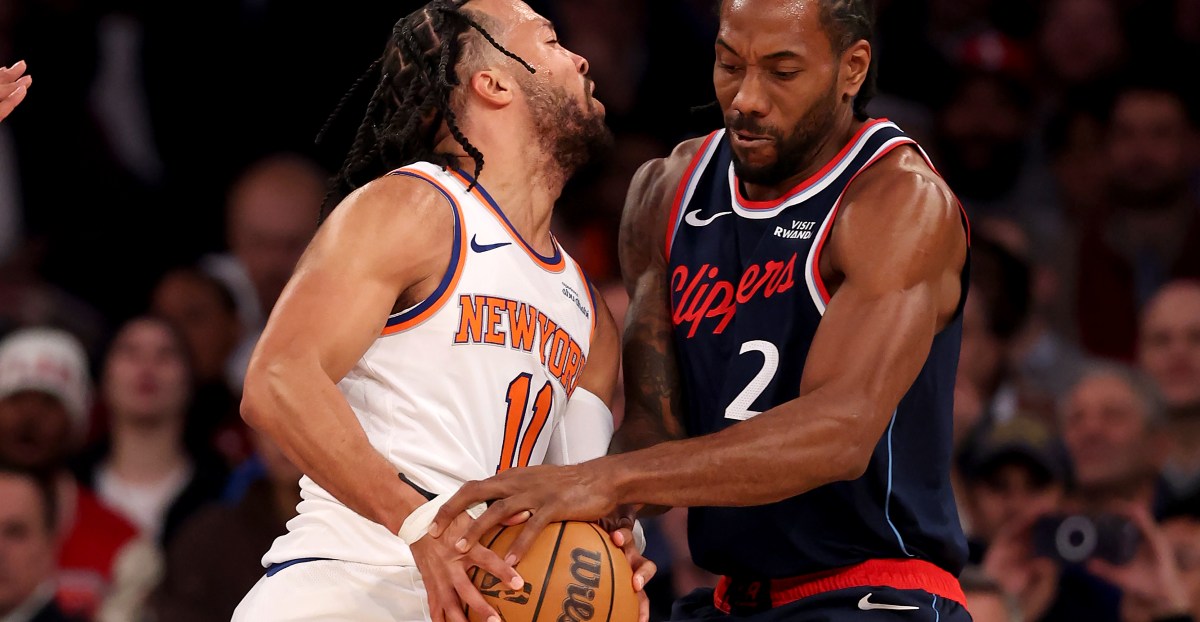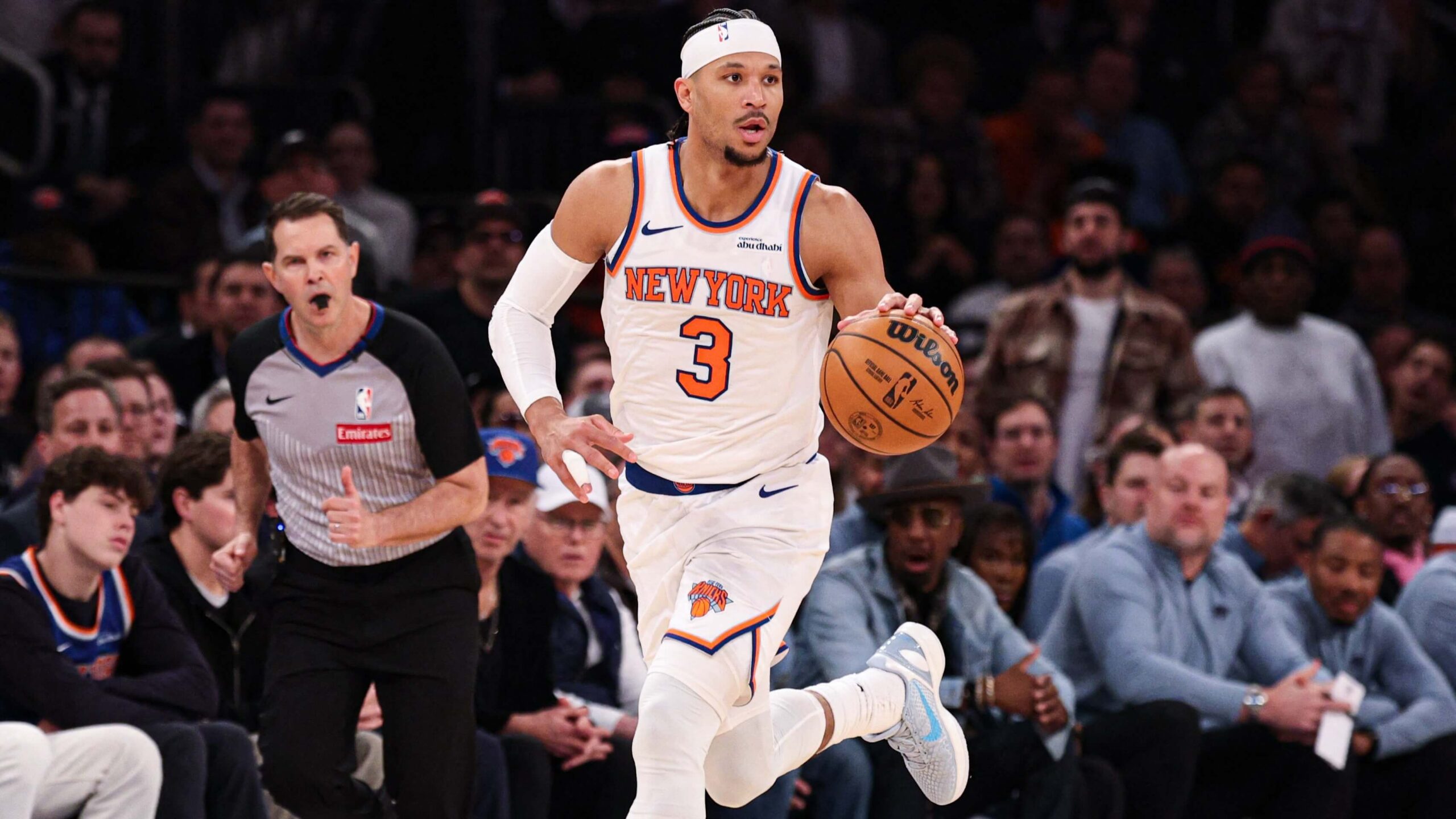
The New York Knicks (41-24) enter the Intuit Dome on March 9, 2026, facing a grueling scheduling disadvantage. Following a high-leverage loss to the Los Angeles Lakers, this back-to-back set tests New York’s physiological resilience and defensive discipline. While the Knicks maintain a superior winning percentage, the intersection of late-season travel fatigue and tactical recalibration poses a significant threat to their defensive floor, which currently allows 110.6 points per game.
The Clippers’ Efficiency-First Paradigm
Despite a deceptive 31-32 overall record, the Los Angeles Clippers are amidst a 25-11 surge that has redefined their season. This resurgence is predicated on a high-efficiency, low-volume offensive philosophy. Ranking 28th in pace, the Clippers intentionally compress the game to maximize the half-court gravity of Kawhi Leonard. Averaging 27.9 points on 50/37 shooting splits, Leonard remains one of the league’s most lethal scoring engines, providing a reliable offensive ceiling in low-possession environments.
However, the Clippers’ structural flaws remain exploitable. They rank 28th in rebounding, a metric that highlights a lack of interior size and second-chance generation. This deficiency often neutralizes their 12th-ranked offensive rating, as they struggle to secure the defensive glass to trigger transition opportunities. The loss of Bradley Beal and John Collins further exacerbates this lack of frontcourt depth and secondary playmaking.
Tactical Adjustments: Interior Voids and Transition Gravity
New York’s primary challenge lies in mitigating the absence of Mitchell Robinson. As the team’s defensive anchor, Robinson’s rim protection is difficult to replicate, forcing Tom Thibodeau to utilize versatile wings in non-traditional frontcourt rotations. This shift places an immense burden on Josh Hart; historically, Hart’s rebounding volume and transition energy increase significantly following low-scoring performances. His ability to exploit the Clippers’ 28th-ranked rebounding core will be the game’s primary X-factor.
Offensively, the Knicks rely on Jalen Brunson’s elite pick-and-roll navigation. In their January victory over Los Angeles, Brunson’s 26 points were complemented by Karl-Anthony Towns’ interior dominance. To sweep the season series, New York must force a pace that exceeds the Clippers’ comfort zone, leveraging their superior depth to compensate for the fatigue of the back-to-back schedule.
Market Sentiment and Strategic Outlook
The betting markets have established the Knicks as a slim -2.5 favorite, with a total of 220.5 points. This low total reflects the Clippers’ glacial tempo and the Knicks’ disciplined half-court defense. With a moneyline of -140, oddsmakers are cautiously optimistic about New York’s depth, though the +115 underdog status for the Clippers reflects Leonard’s ability to take over in high-leverage windows. Success for the Knicks hinges on winning the possession battle through offensive rebounding and turnover marginalization.