
Security Exposure at Riyadh’s Civil Aviation Hub
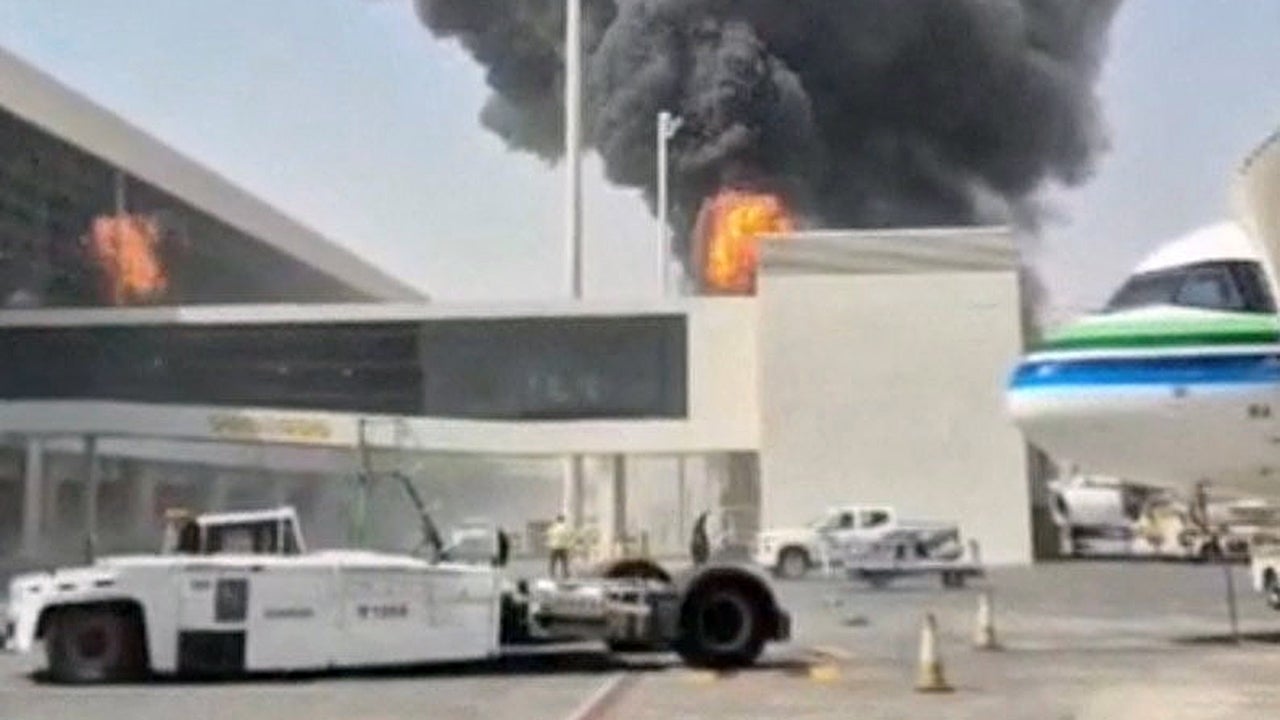
Saudi Arabia’s civil aviation authority confirmed two distinct attacks on King Khalid International Airport (RUH) in Riyadh, resulting in three fatalities and damage to a Saudia commercial aircraft following explosions reported across the capital. Yemen’s Iran-backed Houthi movement claimed responsibility, asserting the deployment of ballistic missiles against the facility. The operational disruption of a primary international gateway highlights the vulnerability of sovereign logistics nodes to asymmetric, long-range munitions.
Operational and Underwriting Pressures on Gulf Aviation
The direct targeting of commercial airframes shifts risk parameters for international carriers operating across the Arabian Peninsula. Aviation stakeholders face immediate operational friction, including flight corridor recalculations, airspace restrictions, and mandatory revisions to threat assessment protocols. For global insurers, the breach of capital-city defenses triggers recalculations of war-risk premiums for airframes and cargo transiting Gulf infrastructure, raising aggregate operating costs across Middle Eastern transit hubs.
Global Fuel Supply Dynamics: The Russian Diesel Announcement
Concurrently, former U.S. President Donald Trump claimed via Truth Social that an agreement was brokered with Russian President Vladimir Putin to supply substantial volumes of Russian diesel to domestic and international markets. The outlined framework specifies an immediate shipment of over 300,000 metric tons, 500,000 tons in November, and an ensuing 1,000,000-ton tranche. The statement further referenced an objective of delivering 3,000,000 tons within a compressed timeframe, explicitly conditioned on the operational throughput of Russian refineries.
Logistical Realities and Downstream Price Exposure
The proposed injection targets key domestic consumer bases—principally transport, trucking, and agriculture—seeking relief from elevated middle-distillate pricing. However, executing multi-million-ton product deliveries requires substantial maritime freight capacity, specialized bunkering, and functioning refinery output amid acute maintenance dependencies. Furthermore, Trump’s accompanying assertion of ‘TOTAL CONTROL of the Strait of Hormuz’ introduces strategic ambiguity into a maritime transit corridor essential to global crude and product flows.
Strategic Synthesis: Converging Chokepoint and Commodity Risks
Both developments expose the volatility of interconnected transport and energy architectures. While ballistic threats to Gulf aviation hubs threaten regional economic diversification and capital flight mitigation, unconventional bilateral trade assertions underscore ongoing structural pressures across international distillate markets and critical maritime chokepoints.

Photo by Kaufdex on Pixabay.