Systemic Fallout: The Erosion of Good Good’s Market Position
The digital media entity Good Good is currently navigating a cascade of partnership terminations, marking a pivotal shift in the brand’s trajectory. Previously a vanguard of golf’s social media modernization, the company’s market standing has deteriorated following the widespread condemnation of a controversial advertisement. This crisis serves as a case study in the fragility of influencer-led brand equity when creative execution intersects with ethical boundaries.
Corporate Decoupling: Callaway’s Risk Mitigation
Callaway Golf’s decision to sever its multi-year agreement on August 27 was the primary catalyst in this institutional withdrawal. By explicitly condemning the trivialization of violence against women, Callaway prioritized its legacy brand equity over short-term marketing reach. This swift decoupling highlights a zero-tolerance threshold for reputational contagion within modern corporate-influencer contracts.
Institutional Pivot: PGA Tour and Title Sponsorship Vacancy
The dissolution extended to professional golf’s governing body as Good Good withdrew as the title sponsor for an upcoming November event in Austin, Texas. This sponsorship was intended to bridge the gap between traditional institutions and digital demographics. The vacancy now forces the PGA Tour into a rapid re-evaluation of its funding models and partner vetting processes, underscoring the operational risks inherent in relying on social-first entities for major tournament logistics.
Media Asset Liquidation: The Golf Channel Withdrawal
Further narrowing the brand’s distribution reach, Golf Channel terminated its collaborative reboot of the ‘Big Break’ series. As a major broadcast partner, Golf Channel’s withdrawal removes a critical legitimacy multiplier for Good Good. This action reflects a broader industry trend where traditional media outlets are increasingly sensitive to the commercial liabilities associated with unvetted influencer content.
Content Governance and the Failure of Due Diligence
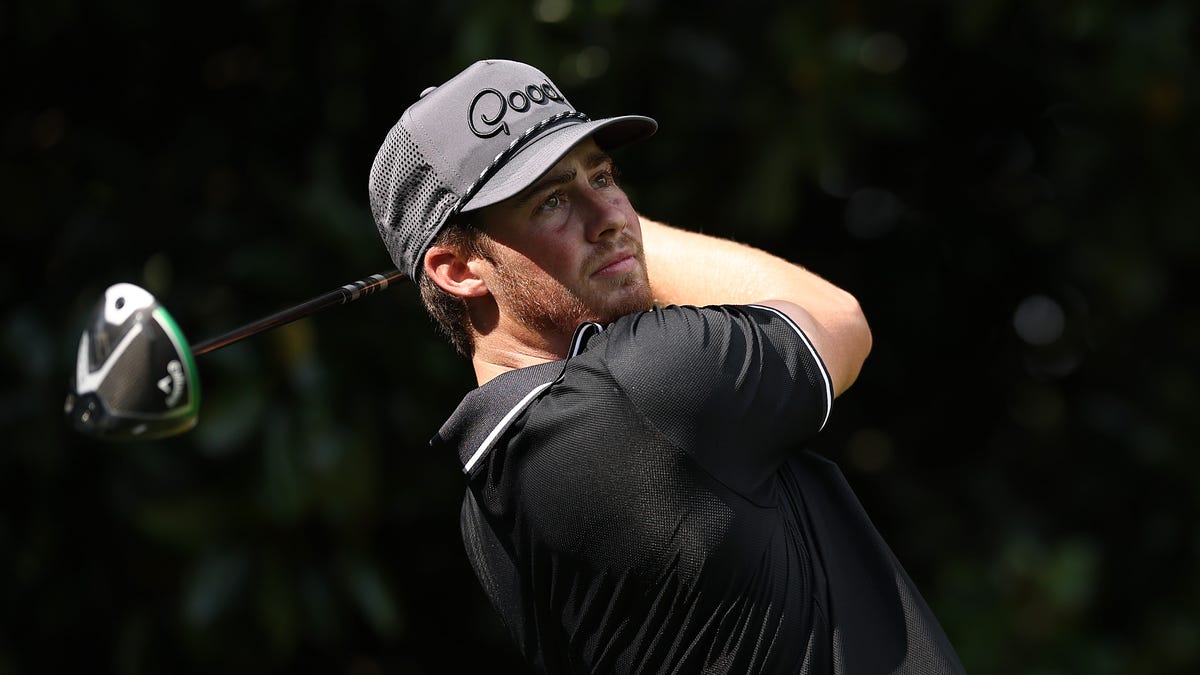
The core of the crisis stems from a failure in editorial oversight. The advertisement featuring co-founder Garrett Clark and Alexis Miestowski bypassed the rigorous risk management frameworks typically expected of high-revenue marketing operations. This lack of internal compliance suggests a systemic breakdown in content governance, where the pursuit of viral engagement superseded the necessity of brand safety.
Conclusion: A New Paradigm for Influencer Accountability
The collapse of Good Good’s partnership ecosystem signals a maturation of the sports influencer landscape. For corporate giants like Callaway and the PGA Tour, the incident establishes a precedent for enhanced due diligence that extends beyond audience metrics to include comprehensive ethical alignment. Rebuilding trust will require more than a public apology; it necessitates a total restructuring of Good Good’s operational and ethical protocols.