Epidemiological Scope and Public Health Impact
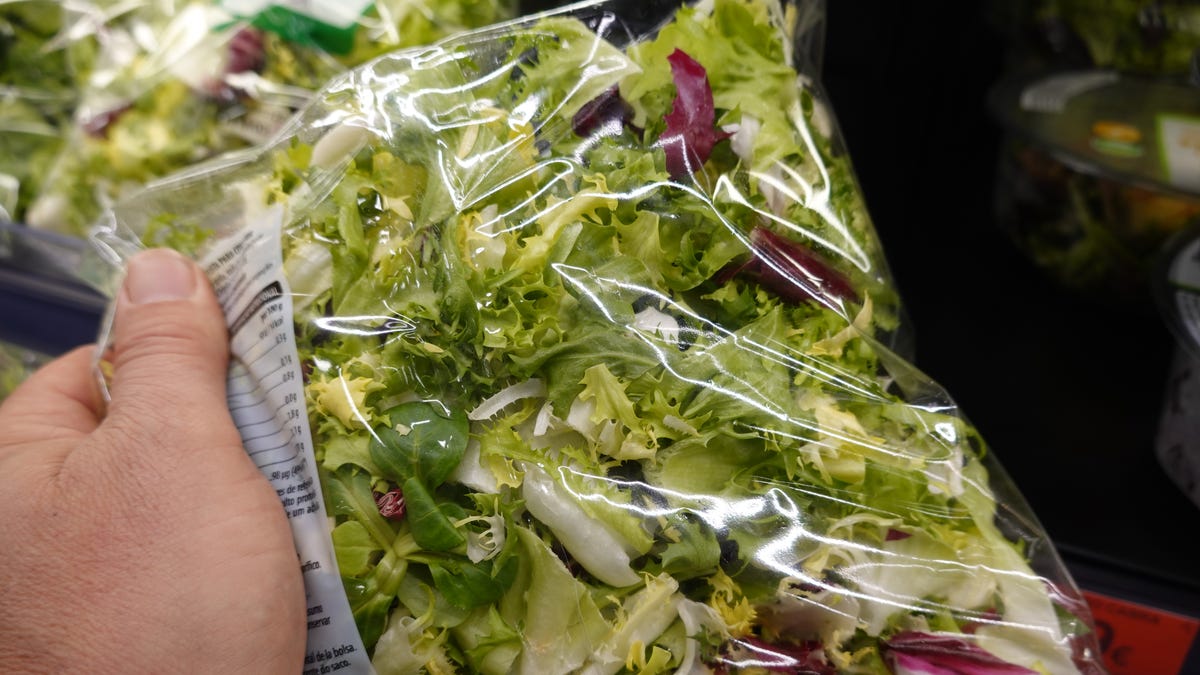
Federal and state health agencies are managing the largest recorded cyclosporiasis outbreak in U.S. history, spanning 48 states and Washington, D.C. The Food and Drug Administration (FDA) traced the parasitic contamination to iceberg lettuce processed at a central Mexico facility operated by Taylor Farms.
Centers for Disease Control and Prevention (CDC) metrics confirm 17,180 laboratory-diagnosed infections alongside at least 11,841 probable cases. Sub-national reporting indicates localized severity: Michigan has documented 14,510 cases and the outbreak’s first two confirmed fatalities, with Ohio also registering elevated caseloads.
Pathology is driven by Cyclospora cayetanensis, an intestinal protozoan transmitted through contaminated produce. Ingestion induces protracted gastrointestinal morbidity—notably acute watery diarrhea, nausea, and vomiting—which imposes severe diagnostic and clinical burdens on regional healthcare infrastructure.
Industrial Consolidation as an Exposure Vector
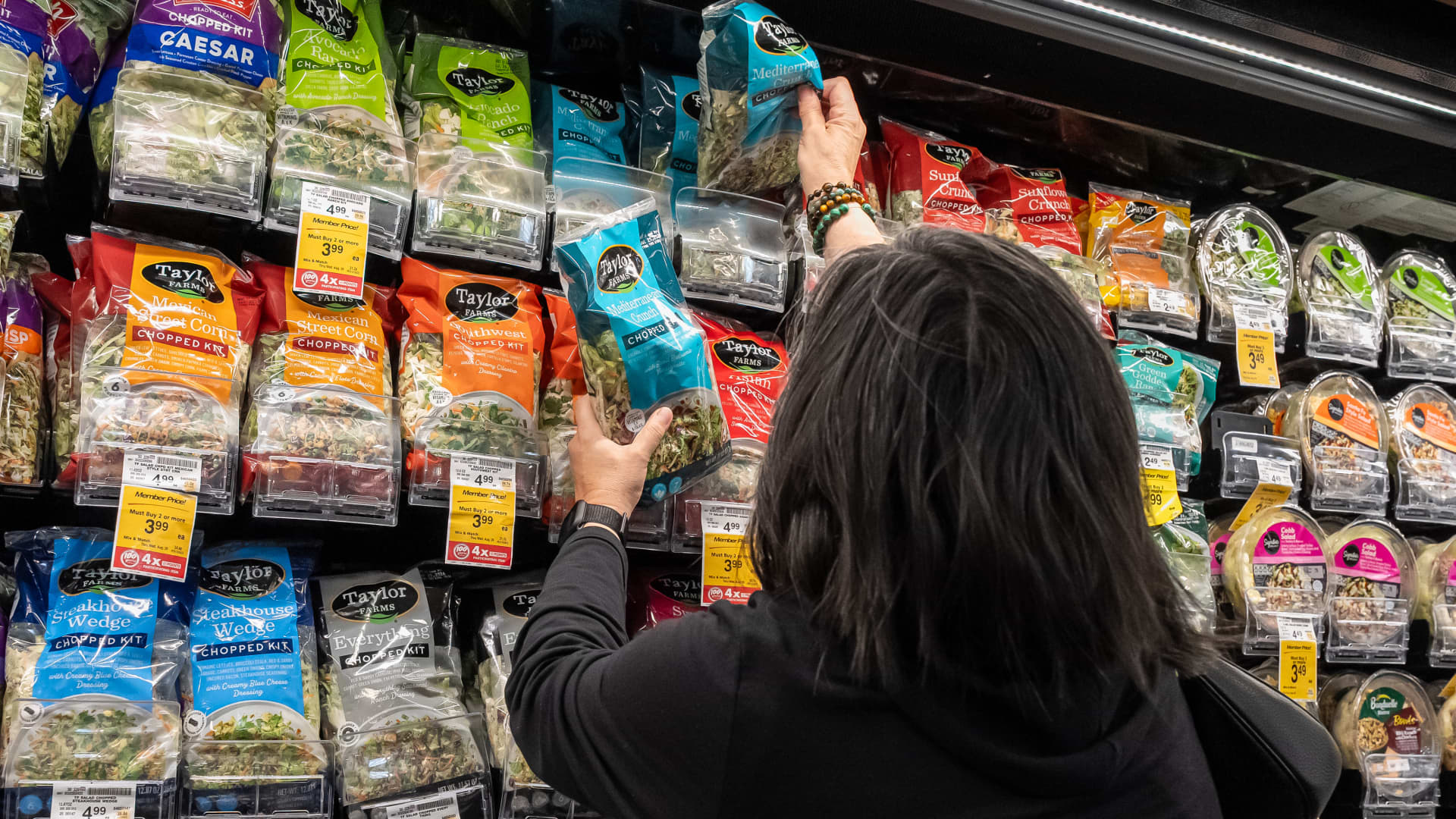
The incident highlights structural vulnerabilities inherent to consolidated fresh-cut produce supply networks. Established in 1995, Taylor Farms has scaled via aggressive horizontal integration into a $7.3 billion enterprise, controlling approximately 40% of the U.S. retail salad kit market.
Its supply architecture integrates major commercial grocers (Walmart, Kroger, Target, Whole Foods) and quick-service restaurant networks (McDonald’s, Taco Bell, Chipotle). Processing models aggregate harvests from hundreds of independent growers into regional mega-facilities to optimize labor costs and standardize product specs. However, this high-throughput centralization functions as an epidemiological multiplier: localized pathogen introduction at a single washing or packaging nexus rapidly disseminates across national logistics corridors.
Operational Interventions and Cross-Border Exposure
Following regulatory trace-backs, Taylor Farms suspended iceberg lettuce sourcing and processing operations at its central Mexico site and initiated a third-party audit of its sanitation, water infrastructure, and biosecurity controls.
While the firm allocates over $200 million annually to food safety and verification protocols, the sheer turnover velocity of perishable leafy greens outpaces conventional pathogen testing. Cross-border agricultural corridors introduce additional friction, where single-facility operational halts generate immediate upstream procurement deficits and substantial recall liabilities for commercial buyers.
Surveillance Latency in Perishable Supply Chains
The outbreak exposes critical informational latency between state-level disease tracking and consolidated federal reporting. Frontline state laboratories identify case clusters weeks before aggregated CDC disclosures materialize.
Because perishable leafy greens possess a brief shelf life, this surveillance delta allows contaminated lots to clear retail distribution and reach consumers before trace-back investigations trigger recalls. Consequently, downstream containment strategies fail, shifting the entire biosecurity burden onto upstream preventative controls.
Strategic Implications for Institutional Procurement
For corporate retailers and food service operators, dependency on consolidated tier-one processors creates systemic risk. While centralized processing delivers margin efficiency, contamination events generate concurrent brand damage, operational interruption, and legal liabilities across multiple corporate clients.
Procurement executives face structural tradeoffs between single-source scale efficiencies and the resilience of multi-vendor sourcing models. The current cyclospora outbreak confirms that single-point processing concentration represents a structural systemic hazard for modern food supply chains.