Structural Asymmetry in T20 World Cup Super 8 Progression
The 2026 ICC T20 World Cup Super 8 stage has been immediately defined by structural controversy: the mandatory pre-seeding format concentrates all four group winners—India (IND), South Africa (SA), Zimbabwe (ZIM), and the West Indies (WI)—into a single, intensely difficult competitive bracket (Group 1).
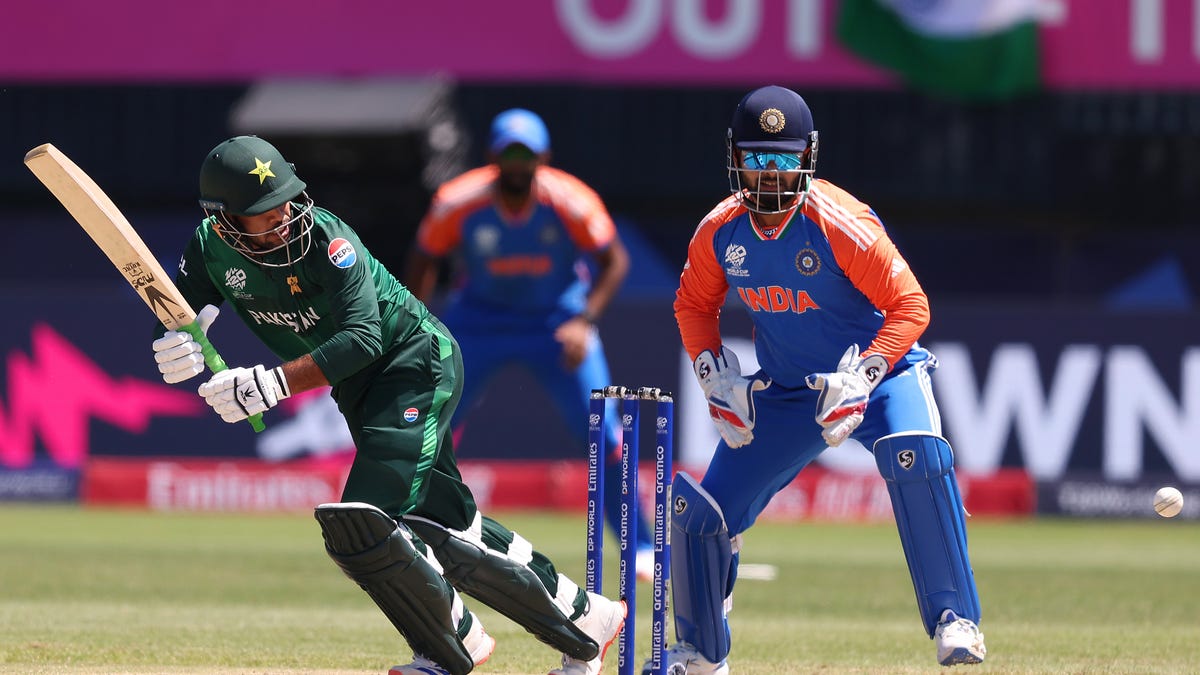
Conversely, the four second-placed teams—England (ENG), Sri Lanka (SL), Pakistan (PAK), and New Zealand (NZ)—are situated in the comparatively less volatile Group 2. This results in a stark competitive asymmetry, effectively penalizing peak performance during the initial phase and subverting the expected reward structure for group winners.
Logistical Drivers vs. Competitive Integrity
The primary rationale for this rigid structure appears rooted in administrative efficiency required by the multi-nation hosting agreement across India and Sri Lanka. By fixing the initial Super 8 groups based on seeded placement (Winners vs. Runners-up), the International Cricket Council (ICC) could lock down venue rotations, broadcast schedules, and security coordination well in advance, optimizing commercial deployment.
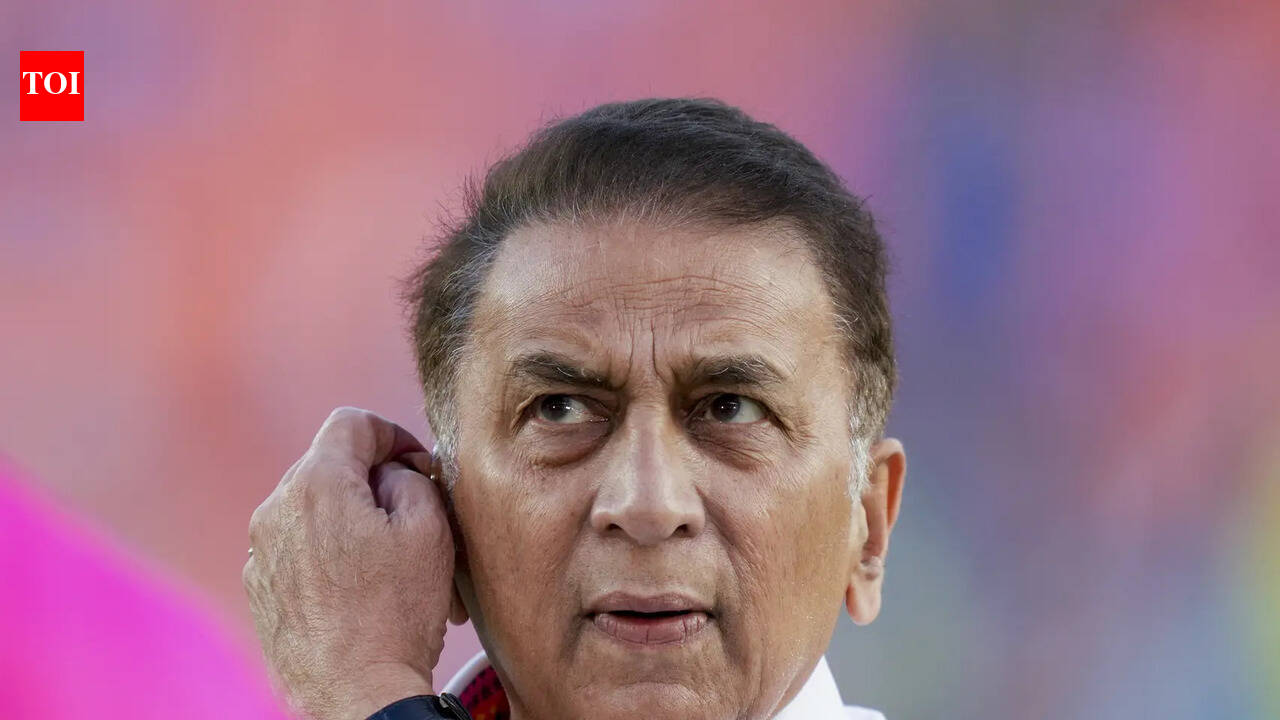
However, this administrative convenience directly conflicts with the meritocratic principle. As Sunil Gavaskar noted, the timing of the criticism suggests either a failure in pre-tournament stakeholder consultation or a prior acceptance of predetermined constraints. For top seeds, the marginal returns on strength investment diminish as they face an immediate gauntlet where a single loss in Group 1 guarantees semi-final elimination, unlike Group 2.
The ‘Group of Death’ and Risk Amplification
Group 1 is functionally an early knockout phase. Teams like India, South Africa, and the West Indies, all possessing significant pedigree, must expend maximum competitive capital immediately. This compression of high-stakes fixtures amplifies the impact of minor tactical errors or inherent vulnerabilities (e.g., India’s known weaknesses against left-handers and off-spin).
The system incentivizes strategic underperformance. If teams could accurately predict this structure pre-tournament, securing the second qualification slot (and thus placement in Group 2) became the strategically superior outcome, creating a perverse incentive against maximizing Net Run Rate (NRR) or securing the top seed.
Governance Scrutiny and Stakeholder Trust
This controversy highlights a recurring tension in global sports governance: the balance between revenue generation/logistical ease and perceived competitive fairness. Fan backlash on social media indicates a rapid erosion of trust in ICC planning.
Furthermore, placing the primary commercial asset, India, into the highest-risk group suggests that local scheduling requirements or pre-sold broadcast agreements held undue influence over competitive design. Future ICC event architecture requires transparent seeding algorithms that decouple complex logistical needs from the direct competitive distribution of remaining elite talent.
Operational Impact and Market Volatility
The administrative simplification achieved through pre-seeding comes at the cost of narrative plausibility. The expectation that group winners advance smoothly is broken. The concentration of favorites in Group 1 instantly inflates volatility within that bracket, shifting betting market assessments away from raw historical form towards group placement bias. This scenario demands immediate, peak performance from Group 1 participants, eliminating the customary mid-phase acclimatization period inherent to progressive tournament formats.