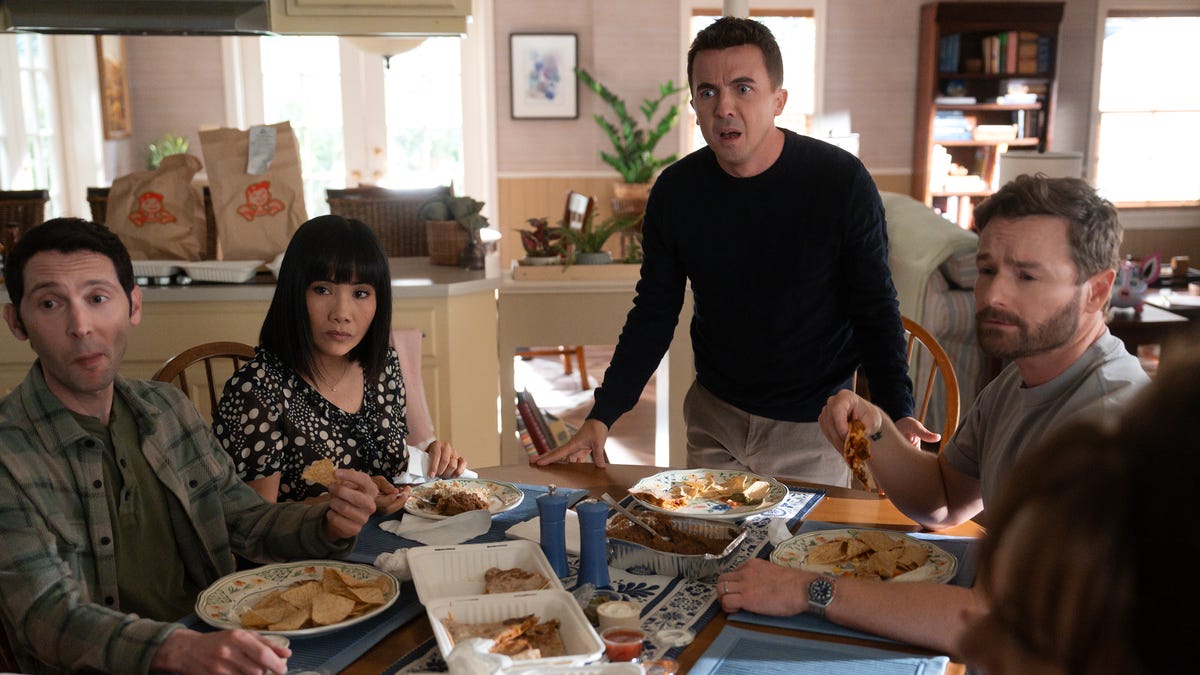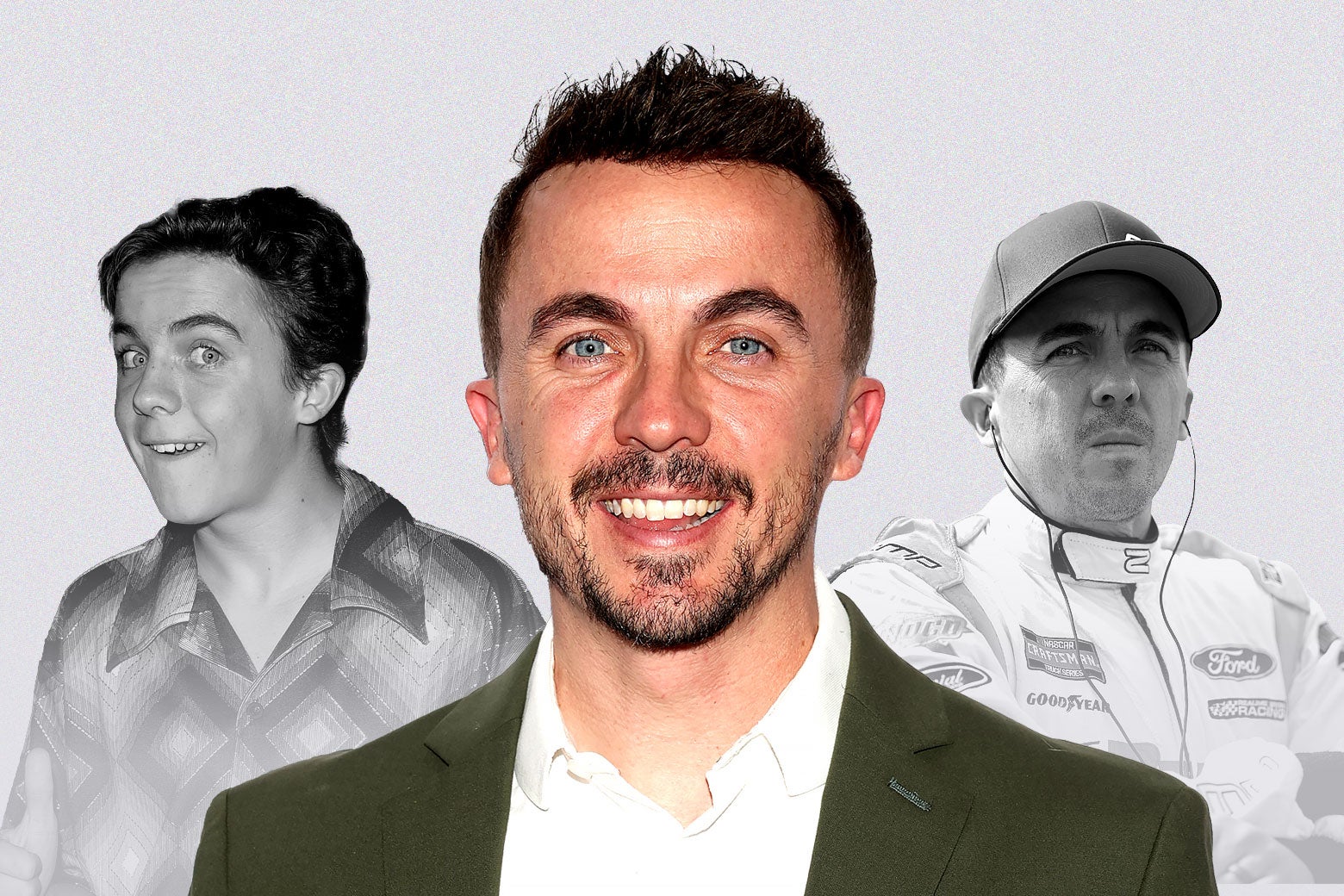
The revitalization of Malcolm in the Middle via the four-episode event Life’s Still Unfair represents a calculated deployment of legacy intellectual property (IP) within an increasingly saturated streaming ecosystem. By migrating from its Fox broadcast origins to the Hulu/Disney+ interface, the franchise leverages two decades of accumulated brand equity to capture a millennial demographic anchored in early-2000s cultural touchstones. This maneuver reflects an institutional pivot where platforms prioritize established narratives with proven retention metrics over the high-variance risk associated with original programming.
Tactical Deployment of the Limited-Series Format
The decision to utilize a four-episode ‘one-off’ structure is a sophisticated risk-mitigation strategy. This compressed format allows the studio to bypass the prohibitive scheduling complexities of high-profile talent—most notably Bryan Cranston, whose post-sitcom career in prestige drama has significantly inflated his market value. Operationally, the limited scope minimizes overhead while heightening the ‘event’ status of the release, creating a concentrated surge in engagement that serves as a high-value acquisition tool for the Hulu-Disney+ bundle.
Furthermore, this structure functions as a market-sensing mechanism. By analyzing viewership density and social sentiment without the financial burden of a multi-year commitment, the platform can empirically gauge the franchise’s viability for future scaling. This ‘test-and-learn’ approach allows for a high-impact narrative arc that avoids the pacing degradation often found in traditional, high-volume sitcom seasons.
Ensemble Dynamics and Continuity Challenges
Securing the return of the central cast—Cranston, Jane Kaczmarek, and Frankie Muniz—is essential for brand authenticity. Cranston’s participation is particularly critical; his creative leverage ensures the revival maintains its signature ‘gross-out’ comedic aesthetic, signaling that the project is a deliberate artistic choice rather than a mere cash-grab. However, the absence of Erik Per Sullivan (Dewey) creates a structural gap. The production attempts to offset this lack of total continuity by introducing new audience proxies, specifically Malcolm’s partner Tristan and daughter Leah, to refresh the family dynamic and catalyze new conflict vectors.
Narrative Architecture and Market Positioning
The plot—centered on a forced family reunion for a 40th wedding anniversary—serves as an efficient narrative bridge, bypassing twenty years of missing backstory while grounding the characters in contemporary struggles. This ‘milestone event’ catalyst allows for the rapid reintroduction of the show’s signature chaotic energy. Strategically, the revival aims to dominate the ‘working-class sitcom’ niche, a genre currently seeing a resurgence as viewers pivot toward grounded, relatable narratives amidst a surplus of high-concept speculative fiction.
Institutional and Financial Implications
Financially, the revival functions as a halo-effect asset. The debut of new content typically triggers a surge in back-catalog consumption, increasing the long-term lifecycle value of the original seven seasons. This synergy is amplified by the Hulu-Disney+ integration, ensuring global reach across both adult and family-oriented demographics. Ultimately, Life’s Still Unfair serves as a benchmark for data-driven development, validating consumer demand first identified through social media engagement and translating it into a high-utility streaming asset.