
The Economics of Major Championship Purses
The R&A’s increase of The Open Championship purse to $17.75 million for 2026 reflects a measured fiscal response to the hyper-inflationary environment of professional golf. While this $750,000 raise sets a tournament record, it exacerbates the financial delta between golf’s oldest major and its three primary counterparts, signaling a clear divergence in organizational philosophy.
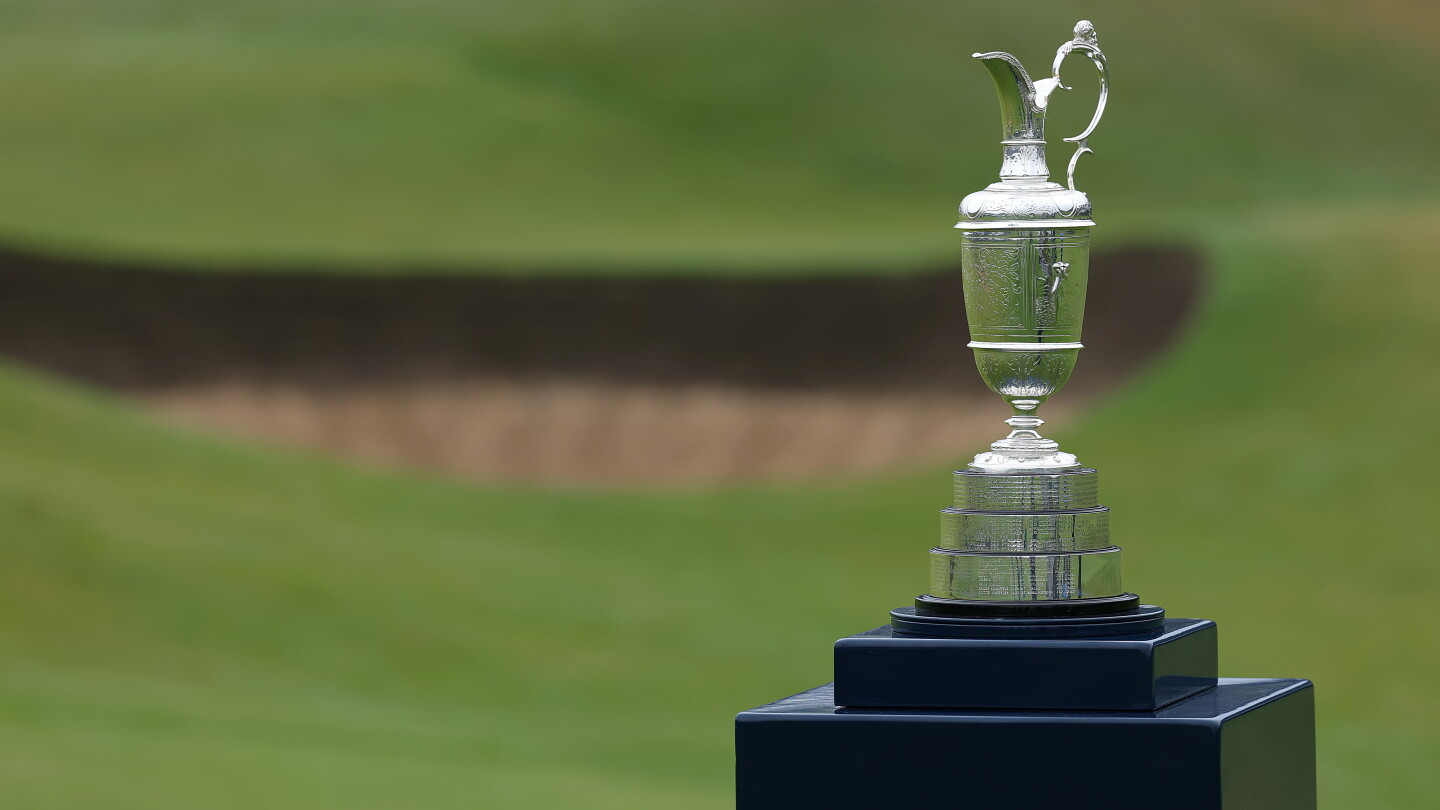
By favoring a conservative growth trajectory, the R&A prioritizes long-term institutional stability and the preservation of heritage over the aggressive capital-driven expansion currently defining the sport. This positioning posits that the prestige of the Claret Jug is an non-fungible asset, distinct from the commoditized prize pools of emerging tour models.
Strategic Implications of the Purse Gap
The $4.75 million disparity between The Open and the $22.5 million purses at The Masters and the U.S. Open forces a critical evaluation of player retention. Although R&A CEO Mark Darbon views prize money as only one component of a holistic competitive package, the widening gap complicates the tournament’s value proposition for elite talent.
The winner’s share, adjusted to $3.2 million for Ryan Fox, underscores a commitment to incrementalism. This policy suggests the R&A is balancing athlete compensation with the administrative mandate to fund global golf development programs, effectively insulating the tournament’s core identity from market-driven volatility.
Institutional Philosophy vs. The Capital Arms Race
Mark Darbon’s framing of players as ‘icons’ rather than mere service providers highlights the R&A’s attempt to decouple professional golf from the current industry arms race. This rhetoric serves to reinforce the tournament’s status as a sporting institution rather than a commercial entity.
By refusing to match the million-dollar-plus increases observed elsewhere, the R&A is testing the elasticity of its brand equity. The organization’s strategy relies on the assumption that links golf’s unique challenges and historical weight remain sufficient drivers for professional participation, regardless of relative purse parity.
Long-term Market Dynamics
As the professional ecosystem becomes increasingly fluid, the R&A’s decision to maintain a lower ceiling faces scrutiny. The success of the 2026 edition, punctuated by Fox’s performance at Royal Birkdale, illustrates a current state of equilibrium. However, the long-term viability of this model depends on whether the historical premium attached to The Open can continue to offset the accelerating financial incentives offered by other major championships.
Conclusion: A Model of Restraint
The 2026 purse adjustment acts as a case study in structural restraint. As commercial pressures intensify, the R&A’s commitment to a balanced growth model—prioritizing the health of the game over total purse parity—represents a high-stakes strategy that will ultimately determine the future influence of the R&A in a rapidly evolving, capital-centric sporting landscape.

Photo by Pexels on Pixabay.