Celestial Phenomenon: The Blue Micromoon
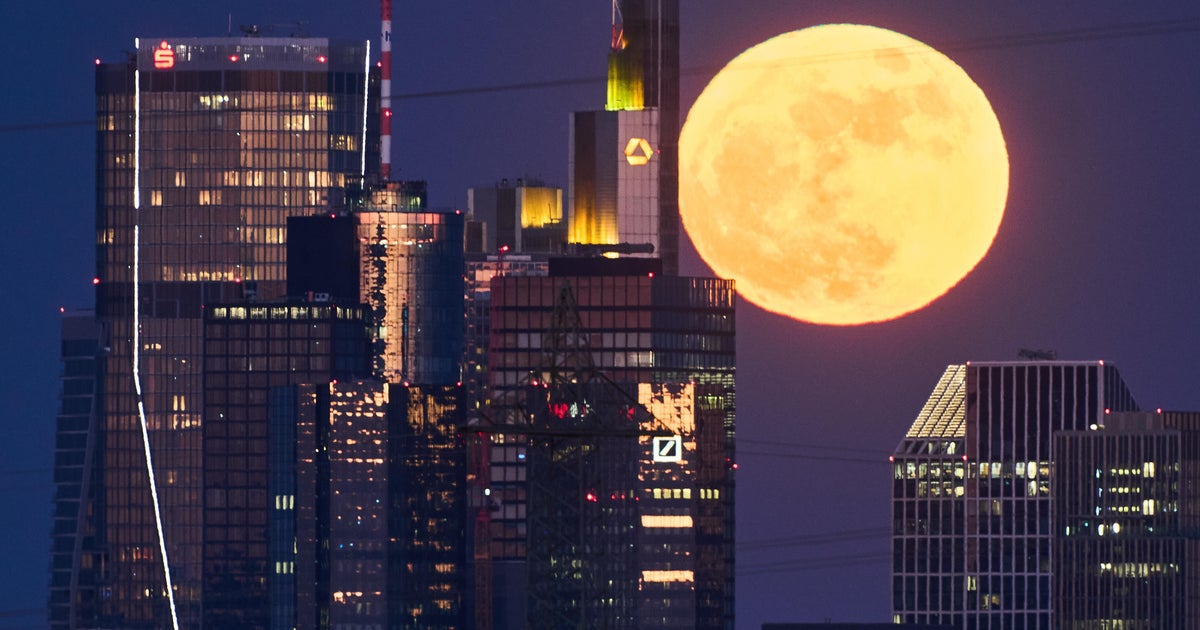
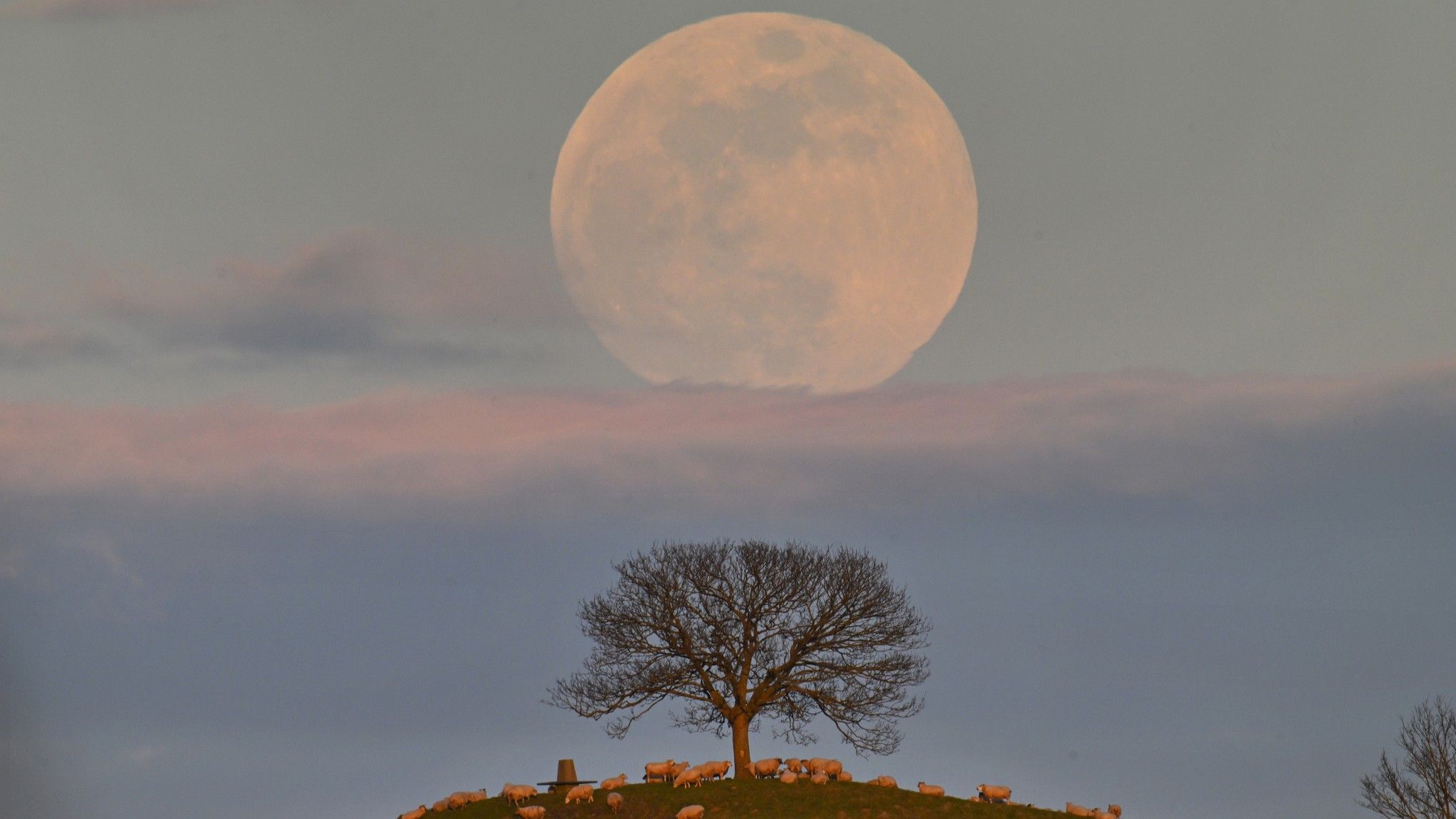
This weekend’s rare blue micromoon represents a significant celestial event, not to recur until December 2028. A micromoon occurs when a full moon coincides with the moon’s apogee, its farthest point from Earth, resulting in its smallest apparent size of the year. This specific lunation is further defined as a ‘blue moon’ due to being the second full moon within a single calendar month, a calendrical rather than spectral occurrence.
The astronomical definition of a blue moon—the second full moon in a month—highlights a temporal anomaly. This May 31st event, following a May 1st full moon, marks the conclusion of a monthly lunar cycle. The infrequent conjunction of these two distinct lunar classifications imbues this event with unique observational and symbolic weight.
Astronomical Observations and Regional Viewing
In the Northern Hemisphere, the blue micromoon will be visible near Antares in the constellation Scorpius. Observers south of the equator and across the Pacific Ocean may witness a more dramatic spectacle: an occultation, where the moon temporarily obscures Antares. This alignment offers a visually striking juxtaposition of celestial bodies.
The recurrence of blue moons, approximately every two to three years, is tied to the difference between lunar and solar orbital periods. The interval between the August 30, 2023, blue moon and this May 31st event, followed by the next on December 31, 2028, illustrates the long-term cyclicality and extended gaps between these specific lunar phases.
Symbolic Interpretations and Astrological Significance
Beyond its astronomical classification, the blue micromoon holds considerable symbolic meaning, particularly in astrological contexts. As noted by tarot reader Sarah Potter, a blue moon can signify heightened energy for closure and releasing outdated influences, thereby creating space for new opportunities. This interpretation aligns with the culmination of a lunar cycle, signaling a potent time for personal and collective transition.
This specific blue moon’s placement as the second full moon of May is viewed astrologically as a prime window for manifestation and goal-setting. It presents an opportune moment for establishing long-term objectives or facilitating necessary release and grief processes. Conjunctions with celestial bodies like Saturn in Aries, Neptune in Aries, and Pluto retrograde in Aquarius are interpreted as fostering an atmosphere conducive to both decisive action and deep introspection.
Challenges in Astronomical Observation
Witnessing celestial events like a full moonrise involves practical challenges requiring precise planning and awareness of terrestrial conditions. Factors such as urban obstructions, cloud cover, atmospheric refraction, and local topography can significantly alter the predicted timing and visual clarity of a moonrise, impacting the observer’s experience and the perceived success of the observation.
The act of observing a moonrise necessitates understanding celestial mechanics alongside navigating environmental variables. The reliance on tools like binoculars and constant time checks underscores the meticulous effort involved for dedicated skywatchers, where the eventual visual confirmation often brings a profound sense of personal discovery.
Strategic Implications of Celestial Cycles
The predictable recurrence of phenomena like blue micromoons and blue moons establishes significant temporal markers. While not directly influencing financial markets, these events can shape cultural narratives and collective consciousness, indirectly impacting consumer behavior and public engagement with science and astronomy. The extended intervals between occurrences, such as between the 2023 and 2028 blue moons, amplify their perceived significance and foster anticipation.
For astronomical organizations and science communicators, these rare events present strategic opportunities for public outreach, educational programming, and media engagement. Leveraging natural phenomena effectively can significantly boost interest in space science and related fields.
Broader Context: Lunar Cycles and Human Perception
Human fascination with lunar cycles predates modern science, deeply ingrained in mythology, folklore, and various belief systems. The designation of a ‘blue moon’ as a marker of rarity taps into this cultural appreciation for celestial anomalies, irrespective of scientific explanation. The convergence of astronomical rarity (micromoon, blue moon) with potent astrological interpretations for change and manifestation creates layered significance.
This dual framing—scientific observation and cultural/symbolic meaning—appeals to a broad audience, bridging scientific understanding with personal growth and spiritual connection. Such events serve as focal points for diverse forms of engagement with the cosmos.
Media’s Role in Framing Celestial Events
Media coverage significantly shapes public perception and participation in celestial events. Framing occurrences as ‘rare’ and ‘magical’ by news outlets and popular science communicators enhances their cultural salience, encouraging widespread observation and discussion. This amplification transforms purely astronomical events into shared cultural moments.
Practical advice on observing phenomena like moonrises translates astronomical events into actionable experiences. By providing observational tips and highlighting potential challenges, media empower individuals to engage directly, fostering a personal connection to the cosmos and bridging the gap between scientific fact and public interest.
Institutional Engagement with Astronomical Phenomena
While specific astronomical events like the blue micromoon do not trigger direct institutional policy changes, they can influence operational strategies in science communication, education, and public engagement. Observatories, planetariums, and educational bodies leverage such events to increase visitor numbers, promote programs, and secure media attention.
The cyclical nature of these astronomical occurrences allows for long-term strategic planning in public engagement. The anticipation for future events, such as the late 2028 blue moon, can inform outreach initiatives and content development, utilizing predictable celestial phenomena as consistent touchpoints for public interaction with scientific concepts.
Future Implications and Long-Term Cycles
The reappearance of a blue micromoon in December 2028 marks a point in a continuous, predictable celestial cycle. Understanding these cycles is fundamental to fields ranging from navigation and timekeeping to astronomical research and space exploration planning. The inherent predictability of lunar phases and orbital mechanics provides a stable framework for scientific endeavor.
The sustained public interest in phenomena like blue moons highlights a persistent human curiosity about our place in the universe. When effectively channeled by educational and scientific institutions, this curiosity can foster a deeper appreciation for science and inspire future generations to pursue STEM careers, with celestial events serving as enduring reminders of the cosmos’s vastness and intricate workings.