Cubs vs. Twins Rubber Match: Key Strategic Analysis & Betting Odds
The rubber match between the Chicago Cubs and Minnesota Twins on Sunday, July 19, at 1:20 PM CT, is more than just a decisive game; it’s a pivotal strategic encounter influencing immediate competitive standings, team morale, and long-term franchise trajectories for both clubs.
This decisive contest marks the 15th time in 32 series that the Cubs have entered a rubber match, reflecting a season of frequent competitive equilibrium. While their overall 7-7 record in these decisive third games (5-4 after a loss then a win) suggests resilience, their home performance in such scenarios presents a notable challenge. The Cubs have lost both prior home rubber matches this season (vs. Nationals, March 29; vs. Giants, June 7), introducing significant pressure and strategic adjustments for the team. This contrasts with their success in securing home rubber games after winning the opener and losing the second (vs. Angels, April 1; vs. Rockies, June 17), highlighting the nuanced strategic demands of managing series momentum and player psychology across varied game sequences.
Against this backdrop, the Cubs’ season record of 15-14-2 indicates fluctuating consistency, yet their recent surge – winning the last two series and posting a 7-1-1 record over their last nine – signals enhanced competitive leverage. This rubber match thus serves as a critical test of their ability to sustain this momentum.
A critical determinant of Cubs’ game outcomes is their home run differential: they are 15-25 when hitting fewer homers, 20-12 with an equal number, and a dominant 20-6 when out-homering opponents. This underscores the strategic imperative of power hitting for their win probability. However, yesterday’s 6-2 victory, where they won despite being out-homered 2-1, demonstrated their strategic adaptability to secure wins through diversified offense and strong defense, even when their primary power advantage is neutralized.
Echoes of franchise history, like the four-homer 11-6 victory over the Giants on July 19, 1986, featuring icons such as Ryne Sandberg, serve as a cultural touchstone. While not directly impacting today’s play, such historical narratives reinforce team legacy and fan engagement, contributing to brand value.
From a financial perspective, the betting market heavily favors the Chicago Cubs as -160 favorites. This valuation reflects oddsmakers’ assessment of a significant competitive advantage, directly influencing capital allocation decisions for bettors and shaping the immediate financial narrative of the game.
The Cubs’ strong odds are predominantly driven by the pitching matchup. Twins pitcher Zebby Matthews, after an early-season xERA below 3.40 in his first three starts, has experienced a sharp decline in effectiveness. Over his last eight starts, Matthews has surrendered 29 runs, with an xERA exceeding 4.70 in seven of those outings, including four consecutive starts above 5.5. This sustained performance regression creates a critical vulnerability for the Twins and a clear offensive opportunity for the Cubs. Matthews’ struggles are further highlighted by his fifth-percentile barrel rate, indicating a persistent inability to limit hard contact. His alarming 2.28 HR/9 rate—the second-highest among today’s starters—directly correlates with this, making him highly susceptible to the long ball.
In stark contrast, Cubs pitcher Shota Imanaga’s consistent elite form is expected to continue. His effectiveness is strategically amplified by the Twins’ significant struggles against left-handed pitching, ranking 28th in OPS versus lefties since May 19. Complementing Imanaga, the Cubs’ offense ranks eighth in both wOBA and OPS against right-handed pitching over the past month. This potent combination positions them to exploit Matthews’ documented weaknesses, particularly his home run propensity, creating a substantial competitive advantage.
This synergistic dynamic—Matthews’ high home run rate meeting the Cubs’ strong offense against right-handers—directly informs the Over/Under market. The Over 7.5 runs (-110) is a favored pick, projecting a higher-scoring affair fueled by anticipated offensive exploitation of these pitching vulnerabilities.
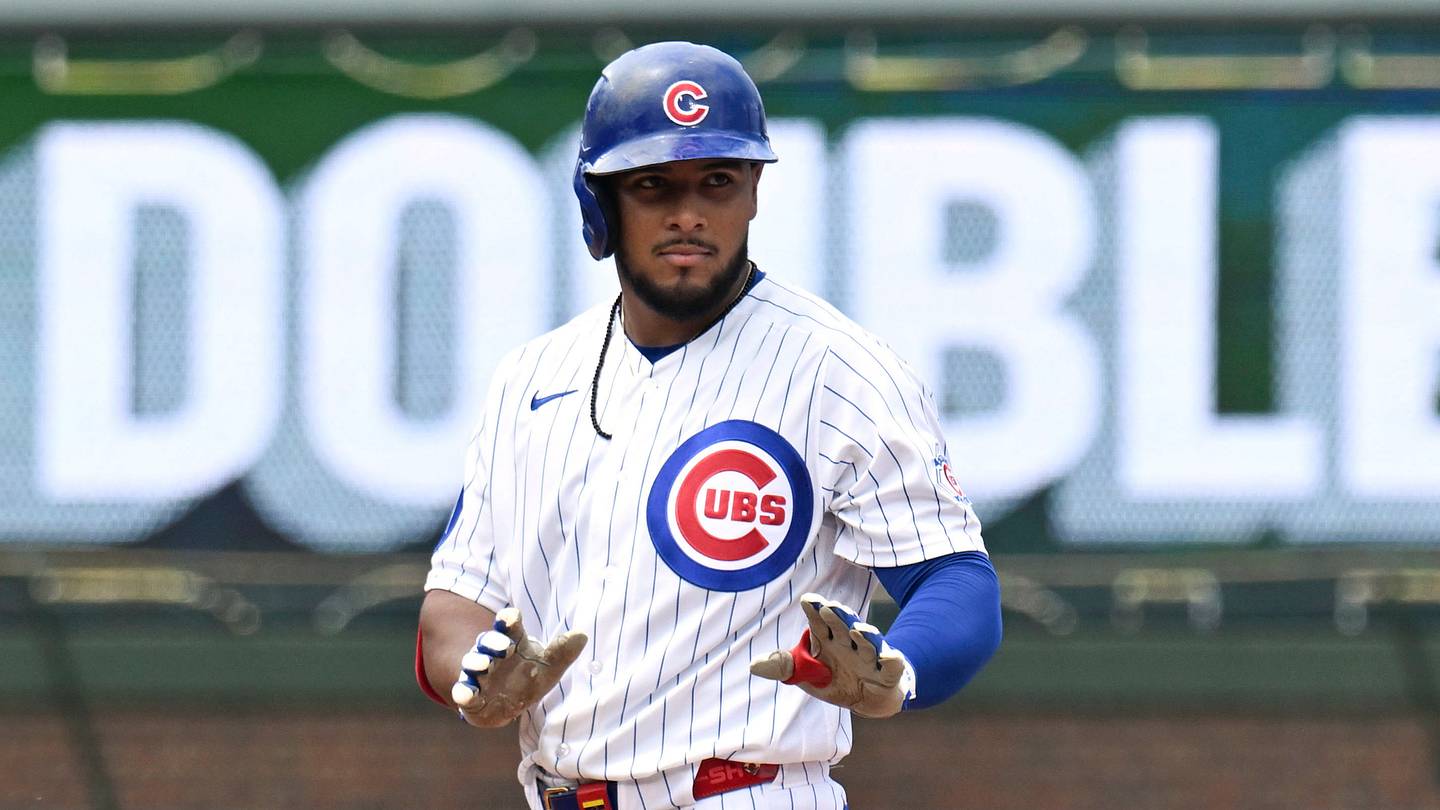
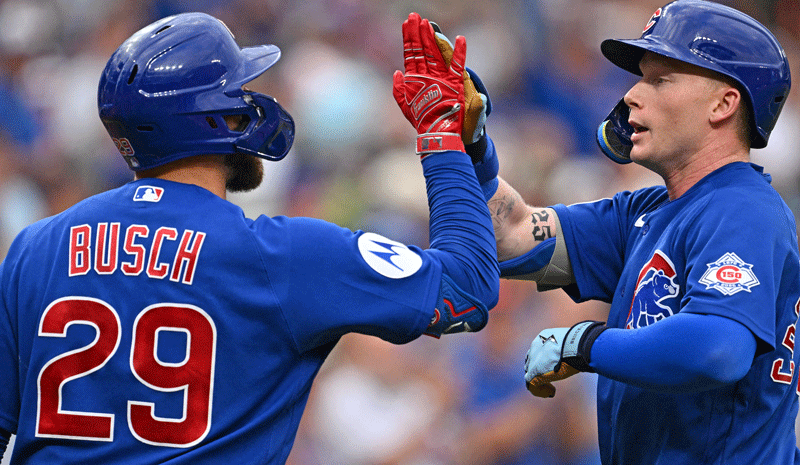
The Cubs’ lineup maintains strategic continuity from yesterday’s 6-2 victory, anchored by Pete Crow-Armstrong and Seiya Suzuki. The decision to retain Pedro Ramirez at DH, following his two-hit, two-RBI performance, tactically leverages recent player momentum. Key bats like Michael Busch and Ramirez are demonstrably heating up, signifying a strategic focus on maximizing current player form to elevate offensive production. Nico Hoerner’s four-hit outing yesterday further underscores the impact of individual player surges, providing immediate tactical advantages. The full lineup, featuring Alex Bregman at third, Dansby Swanson at short, and Carson Kelly catching, reflects management’s strategic balancing act to optimize both offensive output and defensive solidity for this critical contest.
Environmental factors, including hazy, humid conditions and a game-time temperature around 74 degrees at Wrigley Field, represent minor but present considerations. While not determinative, these elements can subtly influence player comfort, ball flight, and game dynamics, necessitating player adaptation.
Broadcast arrangements via Marquee Sports Network, 104.3 The Score, Univision TUDN, and WPPN 106.7 / TUDN Chicago illustrate professional baseball’s multifaceted media ecosystem. Catering to diverse audiences, including a deliberate outreach to the Hispanic market through Spanish-language broadcasts, highlights the strategic importance of broad market reach and segmented viewership for revenue generation and brand strengthening.
The outcome of this rubber match holds substantial implications for the Cubs’ competitive positioning. A series victory would reinforce positive team momentum, boost player morale, and solidify their strategic outlook for postseason contention. Conversely, a loss would disrupt their recent positive trend, potentially impacting player confidence and necessitating a re-evaluation of tactical approaches. Individual performances in high-stakes contests like this can significantly elevate a player’s profile, influencing future contract negotiations and career trajectories, underscoring the value of strategic player deployment. Furthermore, the betting market’s confidence, reflected in the -160 odds, subtly creates a financial incentive; a consistent winning record reinforces the team’s market value and appeal to sponsors. The detailed statistical analysis, from xERA and wOBA to barrel rate and HR/9, exemplifies the data-driven strategic planning inherent in modern sports. These granular insights guide managerial decisions, from lineup consistency—a strategic preference for stability and momentum—to in-game adjustments. Ultimately, the Cubs-Twins rubber match is a microcosm of the intricate interplay between strategic planning, individual performance, market dynamics, and institutional objectives. Its result will ripple across competitive, financial, and media landscapes, shaping immediate narratives and informing future decisions for both franchises.