Mechanics of Recent Wildlife Encounters
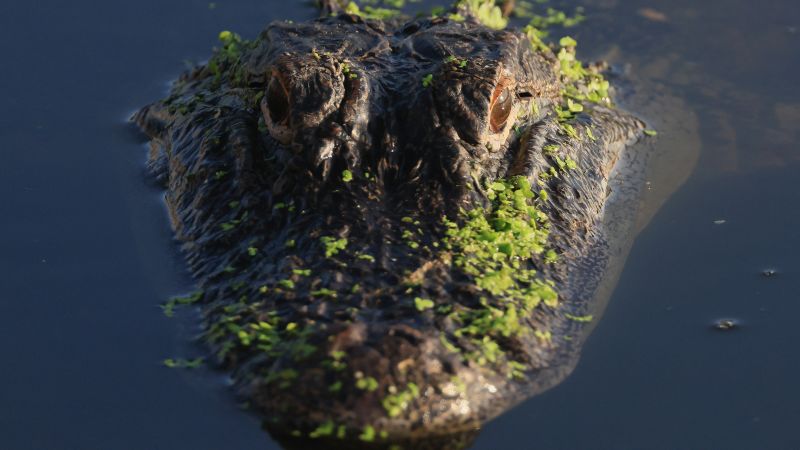
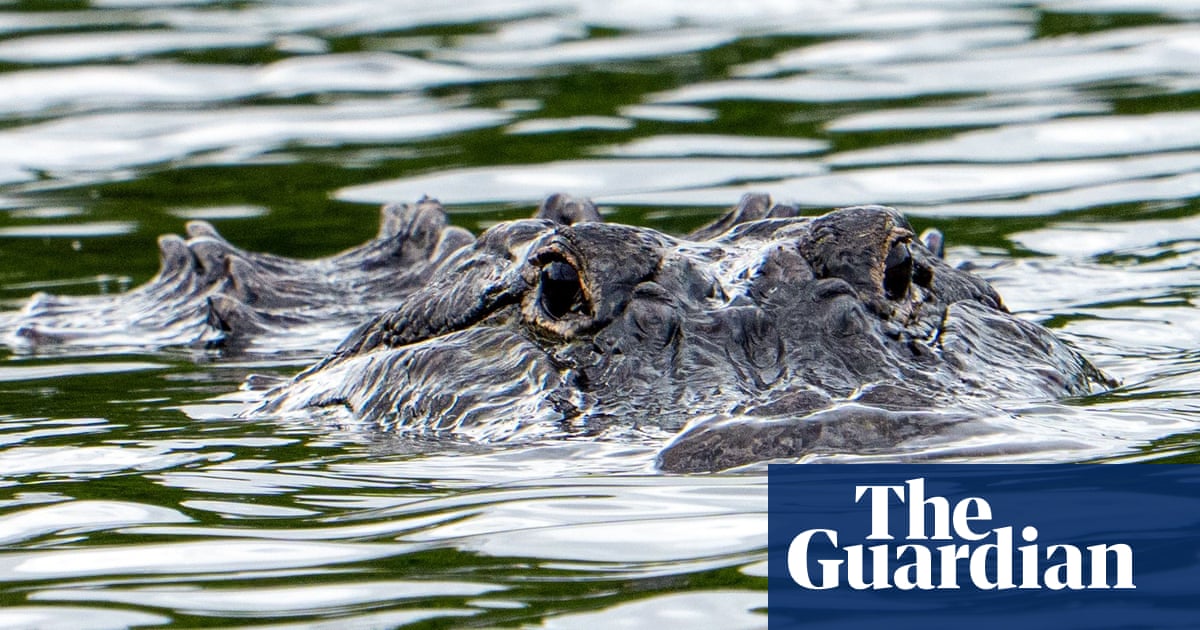
A recent cluster of alligator attacks in central Florida, including a fatal incident in the Econlockhatchee River, illustrates a complex shift in the human-wildlife interface. The occurrence of three documented attacks within a seven-day window represents a statistically significant deviation from baseline encounter rates in the region. The Florida Fish and Wildlife Conservation Commission (FWC) characterizes these events as anomalies; however, the temporal concentration suggests that localized environmental stressors are actively influencing alligator behavior.
Environmental Drivers: Habitat Compression
The primary catalyst for this increased activity is the prolonged drought affecting central Florida. Reduced water levels in riverine systems induce ‘habitat compression,’ forcing apex predators and human recreational users into closer proximity. As water levels recede, the spatial buffer that typically separates human activity from alligator nesting and hunting grounds diminishes. This reduction increases the territorial density of large specimens, specifically the 13-foot and 12-foot individuals recovered post-incident, raising the probability of negative encounters during routine human activities.
Institutional Response and Forensic Methodology
The FWC’s operational response, involving the removal and euthanasia of large specimens for DNA analysis, is a standard protocol for mitigating public safety risks. This forensic methodology addresses the technical challenges of identifying specific predators in murky, riverine environments, ensuring management decisions are grounded in empirical evidence rather than anecdotal observation. This systematic approach preserves the integrity of state wildlife control while addressing immediate threats.
Socio-Economic and Public Safety Implications
The severity of these incidents, involving catastrophic injuries, necessitates a refined communication strategy regarding safety in natural preserves and waterways. These reports significantly influence public perception, affecting recreational patterns and the economic viability of tourism in areas like Seminole County. Balancing the conservation of Florida’s unique ecosystems with the imperative of human safety requires a nuanced approach to land management, where authorities must reconcile preservation goals with the rising risks of shared, densely populated environments.
Strategic Future: Monitoring and Mitigation
These incidents serve as a case study for the structural challenges of managing large predators in a developing state. Effective coexistence relies on moving beyond reactive measures toward predictive risk assessment. Future policy adjustments will likely emphasize real-time monitoring of water levels and predator density to provide more granular warnings. By integrating long-term ecological data with immediate wildlife management, the FWC aims to mitigate the escalation of human-wildlife conflict within Florida’s volatile riverine ecosystems.