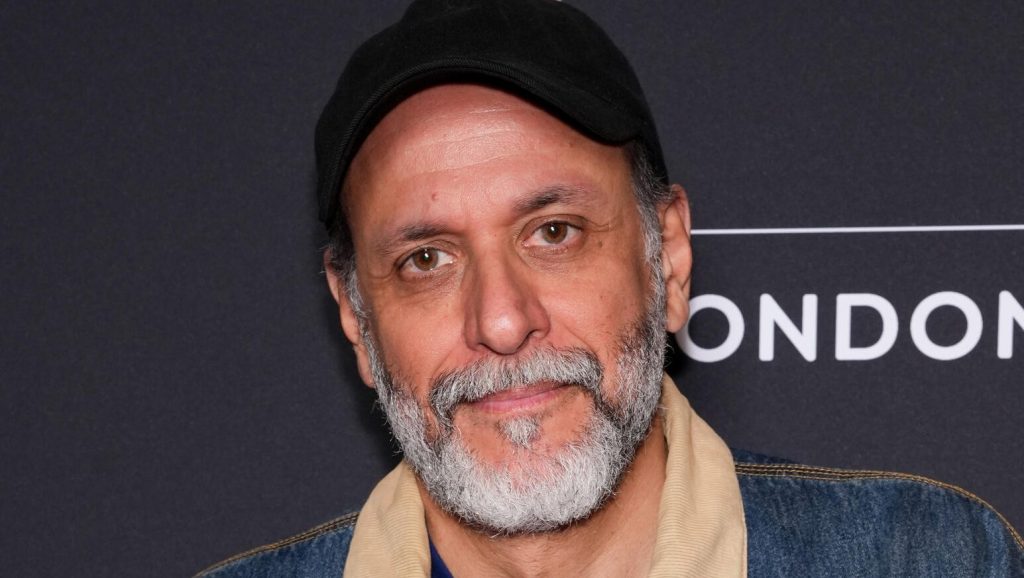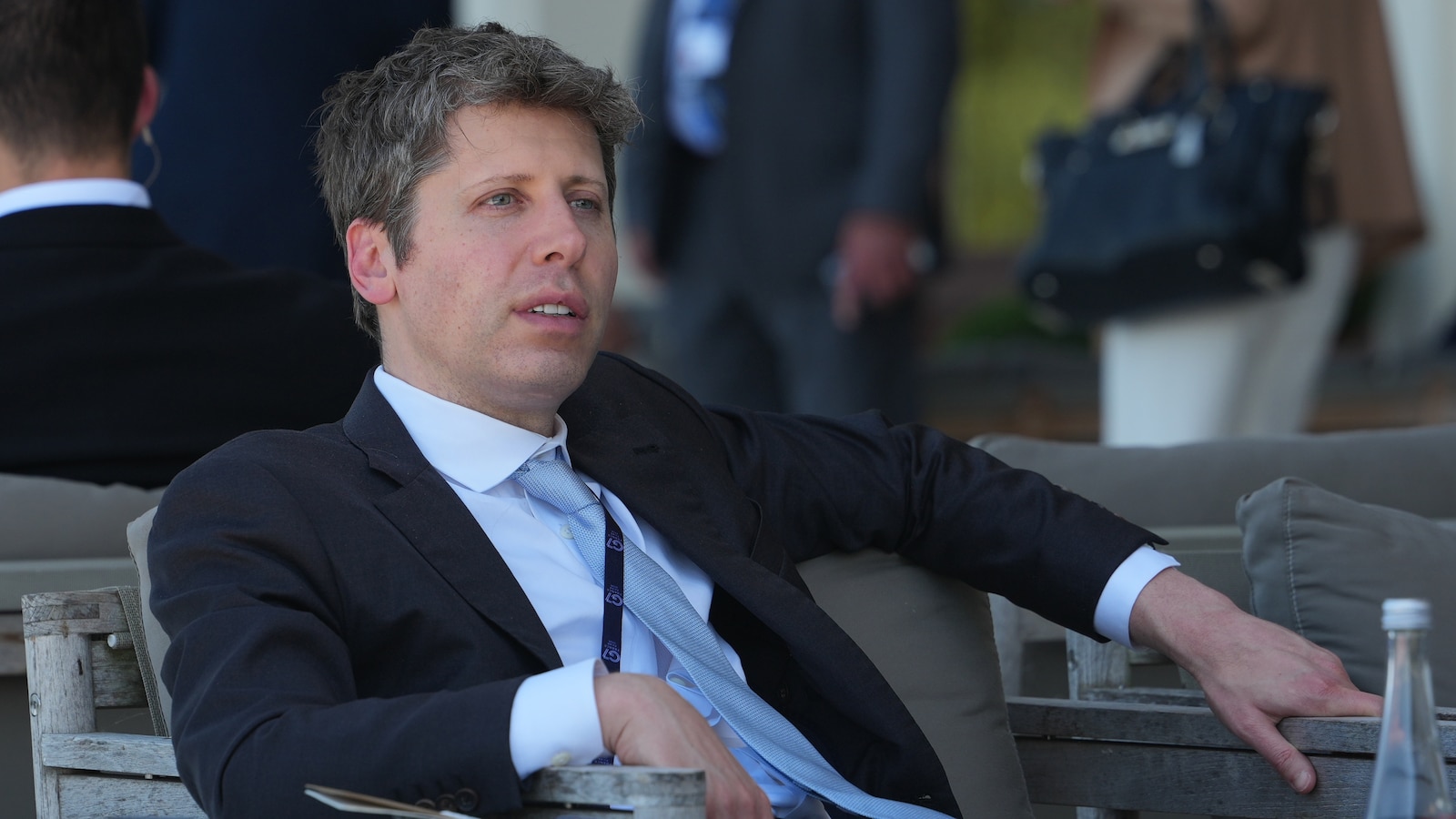
The acquisition of Luca Guadagnino’s drama Artificial by independent distributor Neon marks a structural realignment in the contemporary media landscape. Originally developed, produced, and financed by Amazon MGM Studios, the project was abruptly divested near completion despite its substantial forty-million-dollar budget. This transition highlights the growing operational friction between corporate technology alliances and the distribution of prestige, politically sensitive cultural assets.
By securing global rights through a highly competitive bidding process, Neon has positioned the film as a central contender in the current year’s Oscar race. The transaction, brokered by Alison Cohen for Neon alongside CAA Media Finance and Amazon MGM Studios, demonstrates the agility of independent distributors in capital-efficient asset acquisition. For Neon, the acquisition represents an arbitrage opportunity—deploying a studio-grade production to strengthen its awards-season portfolio while reinforcing its brand as a premium haven for auteur filmmakers.
Written by Saturday Night Live alumnus Simon Rich, the narrative chronicles the turbulent November 2023 leadership crisis at OpenAI, focusing on the sudden ousting and swift reinstatement of CEO Sam Altman. By dramatizing this corporate coup, the film captures real-time governance crises and technological anxieties, challenging the traditional boundaries between immediate news cycle reporting and prestige cinematic dramatization.
The Corporate Friction of Tech-Backed Entertainment
The decision by Amazon MGM Studios to drop Artificial must be analyzed through the lens of parent-company strategic alignment. Months prior to abandoning the film, Amazon announced a monumental fifty-billion-dollar investment and signed an expansive, multiyear infrastructure partnership with OpenAI in late February. This capital commitment created an immediate conflict of interest, placing the tech giant in the position of distributing a dramatized critique of its key strategic AI partner.
Under these conditions, releasing a film detailing internal instability and leadership struggles at OpenAI posed a reputational threat to Amazon’s primary enterprise goals. The studio’s official explanation—that the project would be better served by a different distributor—underscores how conglomerate-owned media divisions must prioritize multi-billion-dollar infrastructure partnerships over individual creative assets. This move illustrates how the consolidation of Hollywood studios under massive technology firms can lead to systemic self-censorship when creative outputs conflict with core B2B interests.
For OpenAI and its leadership, Amazon’s divestment temporarily averted a high-profile media critique from a major business partner. However, Neon’s acquisition ensures that the narrative of the 2023 board coup will reach global audiences without corporate sanitization, highlighting the limitations of corporate gatekeeping in a highly fragmented, competitive distribution ecosystem.
Financial Dynamics and Capital Allocation
From a corporate finance perspective, discarding a nearly complete forty-million-dollar film represents a significant write-off of capital for Amazon MGM Studios. In traditional Hollywood economics, abandoning a film of this scale near completion is an extraordinary measure. However, when measured against Amazon’s fifty-billion-dollar partnership with OpenAI, the production budget represents a negligible fraction of enterprise capital, making the divestment a rational decision to safeguard a critical technology alliance.
For Neon, the financial dynamics are reversed. Acquiring a nearly finished, star-studded film of this scale provides unprecedented operational leverage. Independent distributors rarely have the liquidity to finance forty-million-dollar productions independently. By acquiring the finished asset at a steep discount, Neon minimizes its capital exposure while maximizing potential theatrical and streaming returns on a highly publicized, culturally relevant project.
The competitive bidding war that erupted after Amazon dropped the film highlights the industry’s demand for high-profile prestige content. By securing the rights, Neon has validated its competitive positioning against legacy studios. The ultimate financial success of the acquisition will depend on Neon’s ability to convert the film’s controversial subject matter into box office momentum and critical acclaim during the upcoming awards cycle.
Creative Architecture and the Dramatization of Silicon Valley
The creative pedigree assembled for Artificial explains the intense industry interest and high stakes surrounding its distribution. Directed by Luca Guadagnino and written by Simon Rich, the film features a high-profile ensemble cast, including Andrew Garfield as Sam Altman and Ike Barinholtz in the role of Elon Musk. The inclusion of Academy Award winner Mark Rylance, alongside Monica Barbaro and Yura Borisov, underscores the dramatic ambition of the project, which aims to humanize and dissect the complex personalities driving the artificial intelligence race.
Behind the camera, the production relies on a sophisticated technical team, including Guadagnino’s longtime editing collaborator Marco Costa and cinematographer Malik Hassan Sayeed. The visual identity of the film is established by production designer Stefano Baisi, costume designer JW, and an original score and songs composed by Damon Albarn. Filmed across key locations in San Francisco and Italy, the production physically bridges the sterile, high-tech environments of Silicon Valley with the classical aesthetic sensibilities of European cinema.
This deliberate contrast in filming locations and creative styles suggests a narrative that transcends simple corporate biography, aiming instead for a broader philosophical exploration of technological power. By casting high-profile actors to play active, highly influential tech figures, the film risks real-world pushback and legal scrutiny from the individuals portrayed. The dramatization of ongoing corporate history, particularly while the subjects remain at the helm of their respective industries, represents a bold and volatile creative undertaking.
Institutional Implications for Media and Tech Conglomerates
The distribution trajectory of Artificial exposes a fundamental vulnerability in the modern entertainment industry’s ownership structure. As major tech conglomerates like Amazon, Apple, and Alphabet continue to dominate both the technology sector and the entertainment distribution pipelines, corporate conflicts of interest will inevitably multiply. When a studio’s parent company relies on strategic partnerships, cloud computing contracts, and AI integrations, the creative independence of its film and television divisions is systematically compromised.
This case establishes a clear precedent where a tech-backed studio prioritized its corporate alliances over its creative investments, signaling to the creative community that certain subjects may be entirely off-limits under tech-conglomerate ownership. Consequently, top-tier talent and filmmakers may increasingly view independent distributors like Neon, A24, or traditional studios without tech-parent companies as safer harbors for politically sensitive or corporate-critical storytelling. This shift could lead to a bifurcation of the film industry, where tech-owned studios focus on safe, non-controversial intellectual property while independent distributors monopolize high-stakes, real-world dramas.
Ultimately, Neon’s acquisition of Artificial preserves the film’s potential to serve as a cultural touchstone and a historical record of a critical moment in the evolution of artificial intelligence. By ensuring a theatrical release and an aggressive awards campaign, Neon is forcing a public confrontation with the events of the 2023 OpenAI board coup, regardless of the corporate preferences of the tech sector’s major players. The reception of the film will likely influence how future corporate crises are documented, distributed, and perceived by the global public.