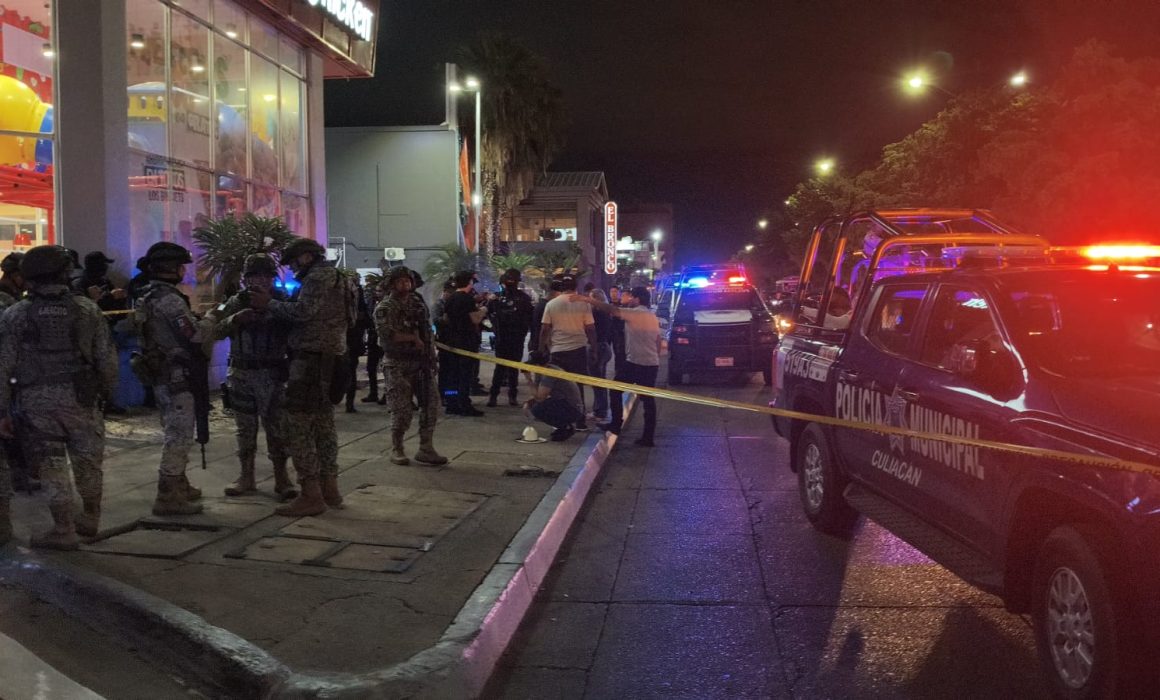
The assassination of César Gastélum, a prominent digital creator known as @cesargastelum04, serves as a grim case study on the intersection of high-visibility social media labor and the volatile security landscape of Sinaloa. Gastélum was targeted in a precision strike outside a commercial establishment in Culiacán’s Tres Ríos district—a high-traffic economic hub. This incident transcends local crime reporting, illustrating the systemic physical vulnerabilities inherent to the independent digital creator model in high-risk jurisdictions.
The Synchronous Content Trap: From TikTok to Kick
Gastélum’s transition from TikTok’s asynchronous, edited video format to real-time streaming on Kick (under the alias ‘compasexor’) fundamentally altered his operational security. While asynchronous platforms allow creators to de-link their physical presence from their digital output, live-streaming necessitates the broadcasting of real-time coordinates. In urban environments like Culiacán, the broadcast of identifiable landmarks creates a logistical vulnerability, allowing bad actors to synchronize physical movements with a creator’s live feed.
The attack at the intersection of Bulevar Sánchez Alonso and Josefa Ortiz de Domínguez utilized a classic tactical configuration: two assailants on a motorcycle. This choice of vehicle facilitates rapid ingress and egress in congested commercial zones, effectively neutralizing the response window for local security forces. The proximity of the attack to major international franchises underscores the audacity of the engagement and the perceived lack of deterrence in high-profile urban corridors.
Socio-Economic Externalities in the Tres Ríos District
The Tres Ríos sector is Culiacán’s primary barometer for commercial health and consumer confidence. An assassination occurring in the immediate vicinity of global brands like KFC triggers immediate negative externalities. For businesses, such events necessitate a recalibration of security expenditures and insurance premiums. For the public, it erodes the ‘safe zone’ perception of the district, potentially driving a flight of capital and patronage from one of the city’s most vital economic engines.
For the ‘lifestyle’ content niche, Gastélum’s death creates a profound chilling effect. Creators who rely on the aesthetic and social vibrancy of the public square must now weigh engagement metrics against the tangible threat of physical violence. This likely marks the end of the ‘IRL’ (In Real Life) streaming boom in the region, as creators retreat to controlled, private environments, thereby sanitizing the digital representation of the city’s social life.
Institutional Gaps in the Creator Economy
César Gastélum operated as a high-performance independent contractor, commanding an audience of over 577,000 followers without the institutional safeguards afforded to traditional media professionals. Field journalists and television crews typically operate within corporate risk-management frameworks, including security protocols and institutional legal support. Conversely, digital creators manage their own logistics, often prioritizing ‘authenticity’ and audience accessibility over personal safety.
This lack of a formal security infrastructure makes influencers ‘soft targets’ in regions characterized by organized violence. Despite Gastélum’s content being largely satirical—featuring characters like ‘Profe Alducin’—his physical presence remained subject to the same environmental risks as any high-profile political or economic figure. This disconnect between the levity of digital content and the gravity of regional security dynamics remains a primary structural challenge for the industry.
Operational Limitations of Post-Event Justice
The immediate arrival of emergency services and the securing of the site by local authorities represent the standard procedural response, yet they highlight the limitations of reactive policing. In motorcycle-based attacks, the mobility of the perpetrators often outpaces the deployment of cordons. The investigation now relies heavily on digital forensics and the integration of private and public surveillance footage within the Tres Ríos district.
While the motive remains a matter of official inquiry, the event underscores a systemic gap in urban surveillance. The ease with which such an attack can be executed in a high-density area suggests that visibility in the digital sphere carries a disproportionate physical cost in territories where the rule of law is inconsistently applied. The tragedy of César Gastélum is a reminder that in the modern economy, digital influence is a double-edged sword: it offers unprecedented economic mobility while simultaneously creating a traceable, vulnerable physical footprint.