Strategic Expansion of Financial Inclusion
The expansion of the Fostering the Future Accounts initiative marks a critical structural adjustment to the administration’s financial inclusion policy. By designating states as authorized custodians for children within the foster care system, the program resolves a significant legal bottleneck that previously precluded this demographic from accessing IRA-style savings vehicles.
Initial iterations of the policy relied on traditional parental guardianship to initiate accounts. For the more than 400,000 children in the U.S. foster system, this requirement created a functional void, as neither the child nor the state possessed the legal standing to establish long-term financial assets.
Addressing Systemic Barriers to Asset Accumulation
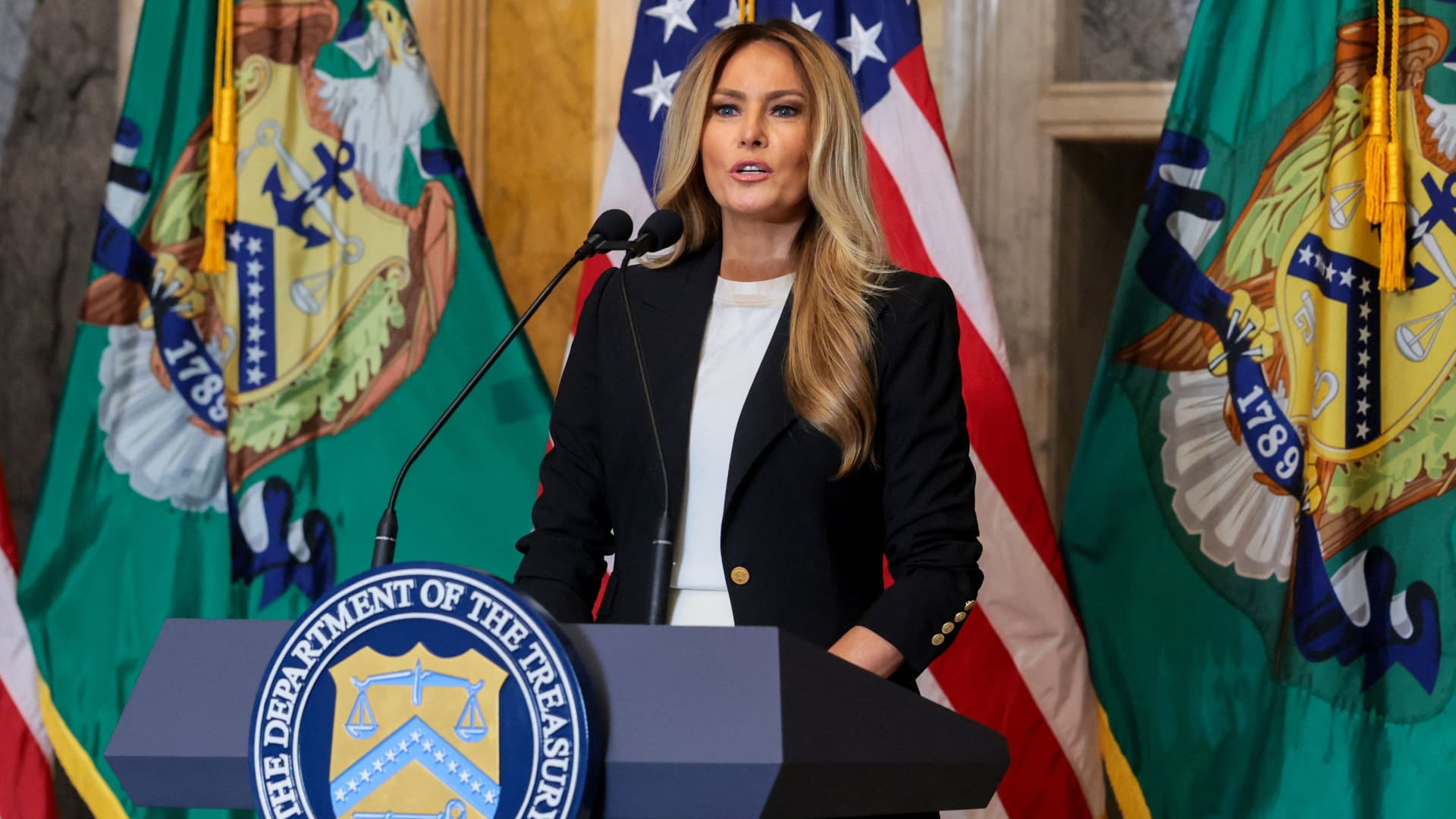
Child welfare advocates, including Sixto Cancel of Think of Us, identified that the absence of a designated custodian would render the policy ineffective for its most vulnerable constituents. The intervention by the office of First Lady Melania Trump functions as a corrective mechanism, establishing a standardized pathway for asset growth that operates independently of a child’s specific placement or the transience of their legal guardianship.
Institutional Impact and Economic Mobility
This shift from private, family-based financial planning to a state-facilitated model acknowledges the inherent instability faced by wards of the state. Data from the National Foster Youth Initiative indicates that over 23,000 youths age out of the system annually without a permanent support structure, frequently encountering immediate financial crises. By institutionalizing these accounts, the administration aims to mitigate the ‘aging out’ phenomenon through tangible, government-backed financial assets.
Operationalizing Future Economic Independence
Collaborating with the U.S. Treasury, the Office of the First Lady is prioritizing these accounts as a foundational tool for long-term economic mobility. Research from the Foundation for Research on Equal Opportunity highlights that access to capital is a primary determinant in post-foster outcomes. These accounts ensure that resources remain tethered to the individual, providing a consistent financial safety net that persists through various foster care transitions.
Stakeholder Implications and Implementation
The success of the Fostering the Future initiative now hinges on state-level administrative efficacy. States are tasked with overseeing these accounts on behalf of eligible youth, requiring a robust implementation framework to manage assets effectively. This policy pivot serves as a test case for adapting government-backed financial tools to support individuals who lack traditional familial support, ultimately functioning as a metric for the administration’s commitment to bridging systemic socioeconomic gaps.