Institutional Integrity vs. Category Proliferation
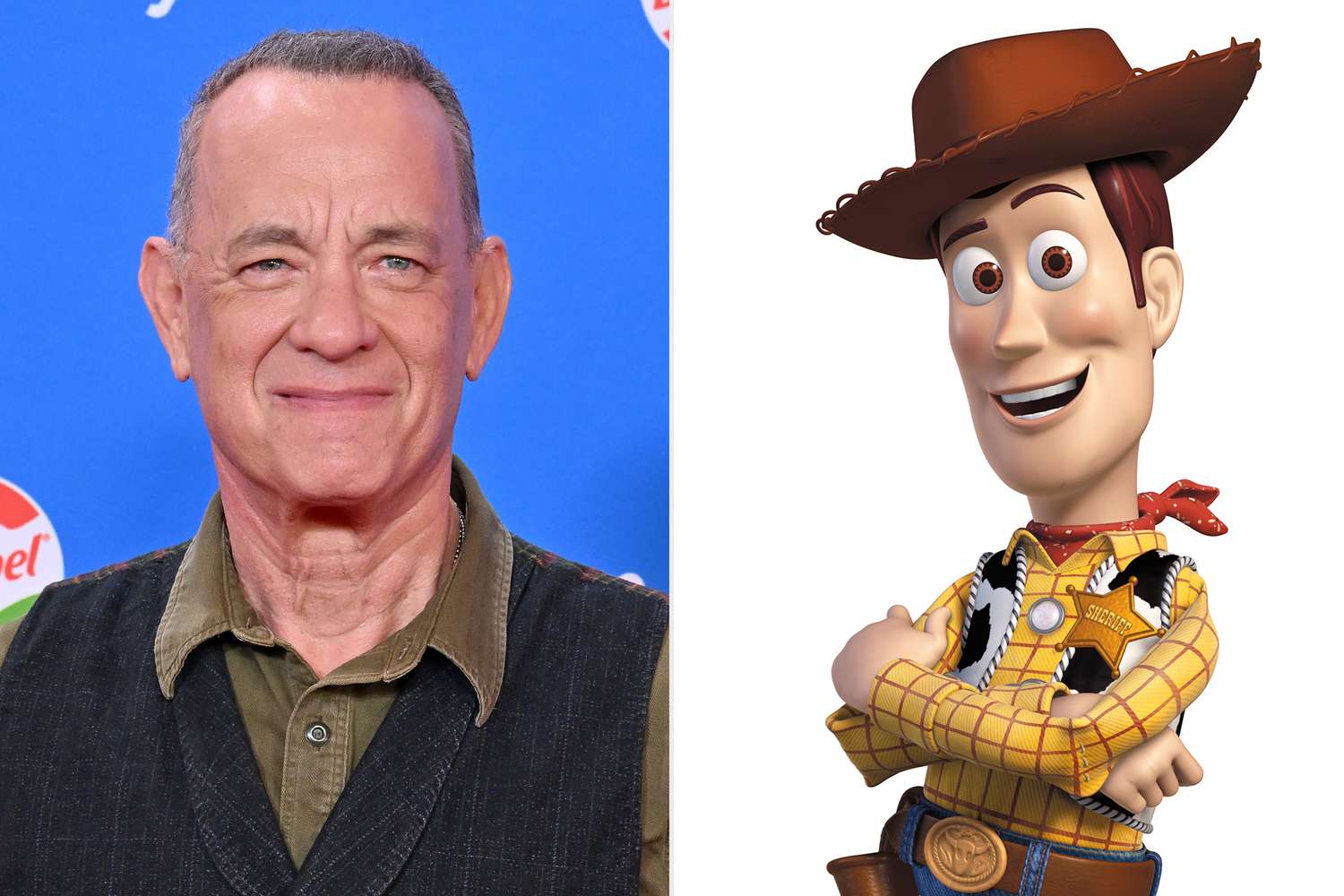
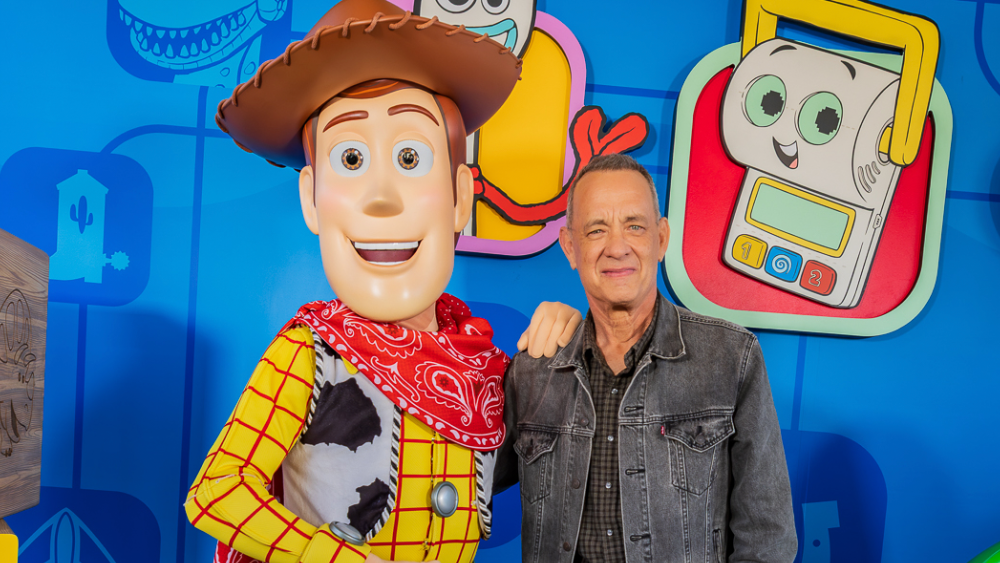
Tom Hanks, a dual Academy Award winner, has voiced opposition to the establishment of a dedicated Oscar category for voice acting. This stance, articulated during the promotional window for Toy Story 5, challenges a growing industry movement seeking specialized recognition from the Academy of Motion Picture Arts and Sciences. Hanks argues that the existing competitive hierarchy for Best Actor and Best Actress is the appropriate venue for all performances, asserting that creating sub-categories risks the dilution of the award’s historical prestige.
The Serkis Precedent and Foundational Performance Data
Central to Hanks’ argument is the evolving definition of performance in the era of high-fidelity digital synthesis. He cites Andy Serkis—renowned for his performance-capture roles in The Lord of the Rings and Planet of the Apes—as the benchmark for the modern actor’s contribution. Hanks posits that the actor provides the essential emotional data and raw material that transcends visual medium. By framing vocal and motion-capture work as functionally equivalent to live-action, Hanks highlights a lag between the Academy’s branch structure and the integrated reality of contemporary film production.
Competitive Friction and the 98th Academy Awards
As the industry moves toward the 98th Academy Awards, the exclusion of non-visual performances from the four major acting categories remains a source of institutional friction. While previous attempts to generate Oscar momentum for vocal roles—such as Scarlett Johansson’s performance in Her—failed to secure nominations, Hanks’ advocacy suggests a strategic push to dismantle the ‘physical presence’ requirement. This shift would require a paradigm change within the Actors Branch, which has historically prioritized facial nuance and physical embodiment over vocal resonance.
Economic Valuation and the Toy Story Legacy
The June 19, 2026, release of Toy Story 5 serves as a commercial catalyst for this debate. Hanks’ involvement in the Pixar franchise since 1995 provides him with significant leverage to influence how legacy voice roles are appraised by the Hollywood elite. From a market perspective, granting voice actors eligibility for the primary Best Actor categories would exponentially increase the valuation of vocal roles, potentially altering how talent agencies structure contracts and how studios allocate awards-season marketing budgets.
Conclusion: Structural Inclusion over Specialization
Ultimately, Tom Hanks’ rejection of a separate category is a demand for structural inclusion. He argues that the metric for an Academy Award should be the emotional impact on the audience rather than the technical method of delivery. This philosophy suggests that the path toward industry equity for voice actors lies not in the creation of ‘separate-but-equal’ honors, but in a broader interpretation of the existing acting standards to reflect a technologically converged cinematic landscape.