Institutional Shifts in The Cure’s Production Lifecycle
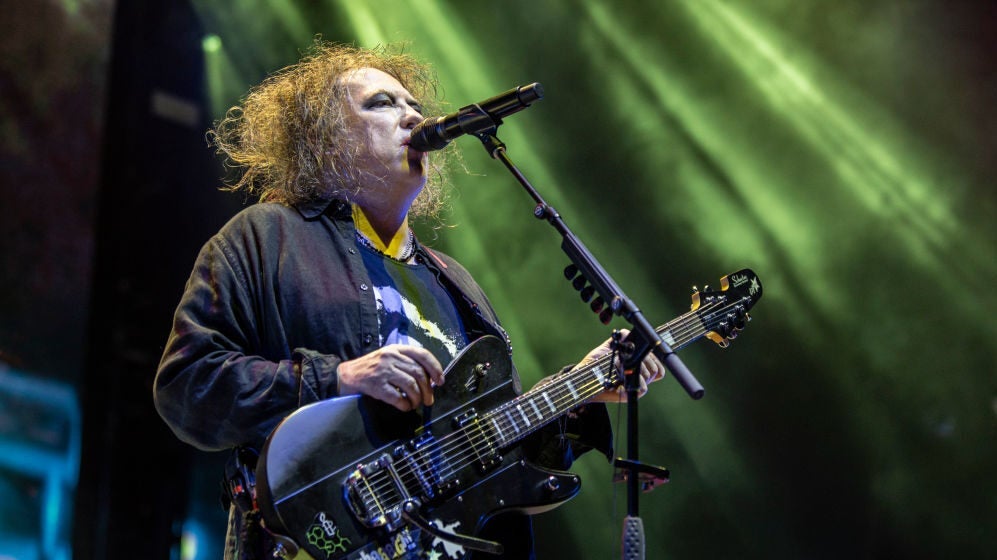
The transition of The Cure from a sixteen-year recording hiatus to a structured three-album delivery cycle represents a significant pivot in the band’s operational strategy. By confirming the completion of a second LP and the development of a third, frontman Robert Smith has signaled an abandonment of the scarcity-driven model that characterized the group’s presence since 2008. This shift is institutional: the delivery of completed masters to Universal Music Group triggers contractual obligations and specific marketing windows designed to capitalize on the momentum of the 2024 chart-topping success of Songs of a Lost World.
Operational Autonomy and Decentralized Recording
The revelation that the second album was finalized at Smith’s home studio following friction in professional environments underscores a move toward operational autonomy. By internalizing the production pipeline, Smith has bypassed the overhead and logistical constraints of high-end facilities, allowing for a creative process insulated from external commercial interests. This decentralized model ensures that the ‘dismal’ and ‘dark’ tonal integrity of the upcoming record remains uncompromised. Furthermore, front-loading production labor for three albums simultaneously in 2019 serves as a risk-mitigation strategy, providing a strategic reserve of content to maintain market relevance across multiple fiscal cycles.
Market Positioning: The Dismal vs. The Upbeat
The Cure’s release strategy employs a dual-track approach to market segmentation. The second album, described as more ‘dismal’ than its predecessor, targets the core demographic and reinforces the brand’s signature aesthetic. Conversely, the third album—teased as having a more accessible or ‘poppy’ sound—allows the band to occupy disparate market segments simultaneously. This tiered rollout enables Universal to deploy distinct marketing angles, sustaining consumer interest and driving streaming volume across diverse listener profiles without causing creative stagnation.
Cross-Generational Synergy and Cultural Capital
The discourse surrounding Robert Smith’s observations of contemporary artists, such as Olivia Rodrigo, highlights a strategic recognition of differing operational speeds in the modern music ecosystem. By contrasting his methodical craftsmanship with the high-output ‘pop’ methodology, Smith positions The Cure as a legacy act that remains analytically engaged with current industry trends. This alignment facilitates a transfer of cultural capital, ensuring the long-term viability of the band’s catalog among younger, streaming-dominant audiences who prioritize authenticity and consistent delivery.
Financial Implications of Chart Dominance
The number-one debut of Songs of a Lost World provides a robust financial foundation for subsequent releases. High chart performance increases the band’s leverage during distribution negotiations and enhances the valuation of touring and merchandise rights. For Universal, the successful delivery of new masters validates continued investment in legacy assets capable of commanding significant physical and digital sales. The absence of a fixed release date for the second album suggests a ‘wait-and-see’ approach to market conditions, ensuring that the release cycle optimizes global promotional windows and festival appearances.