Systemic Vulnerabilities in Regional Logistics and Infrastructure
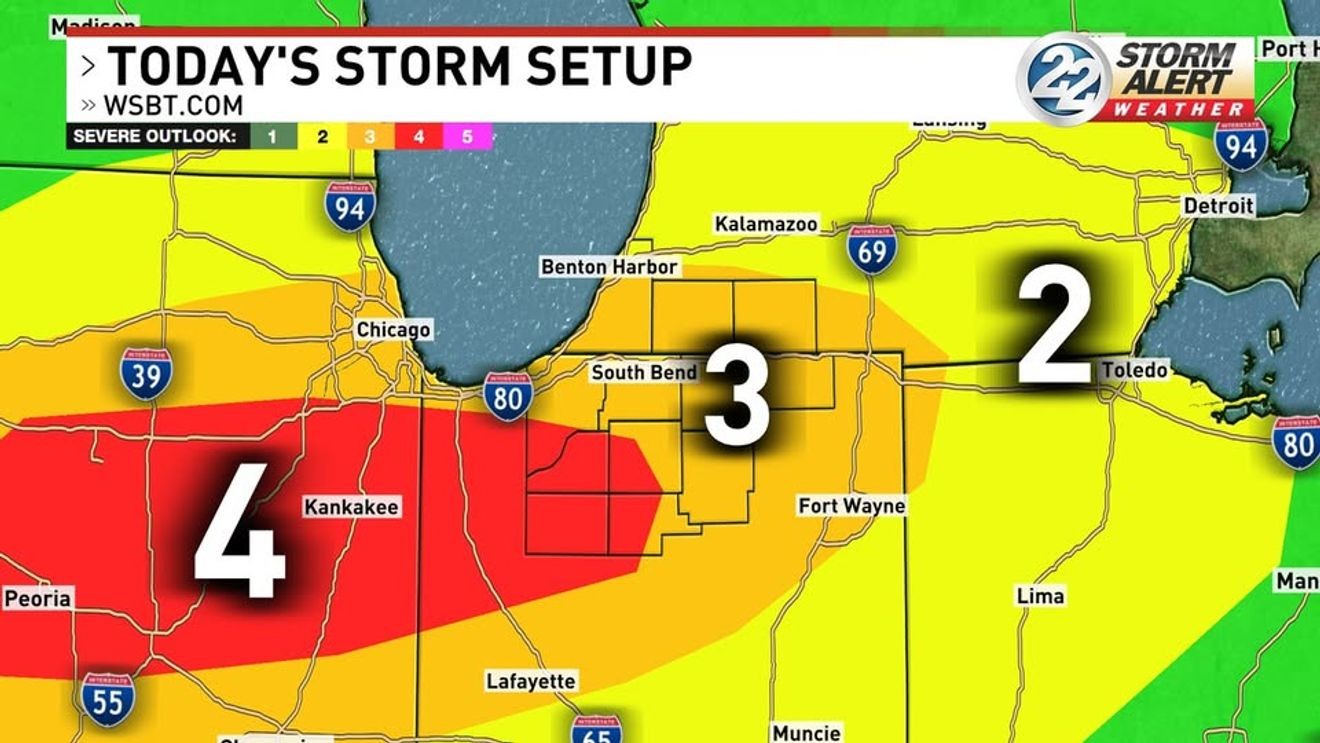
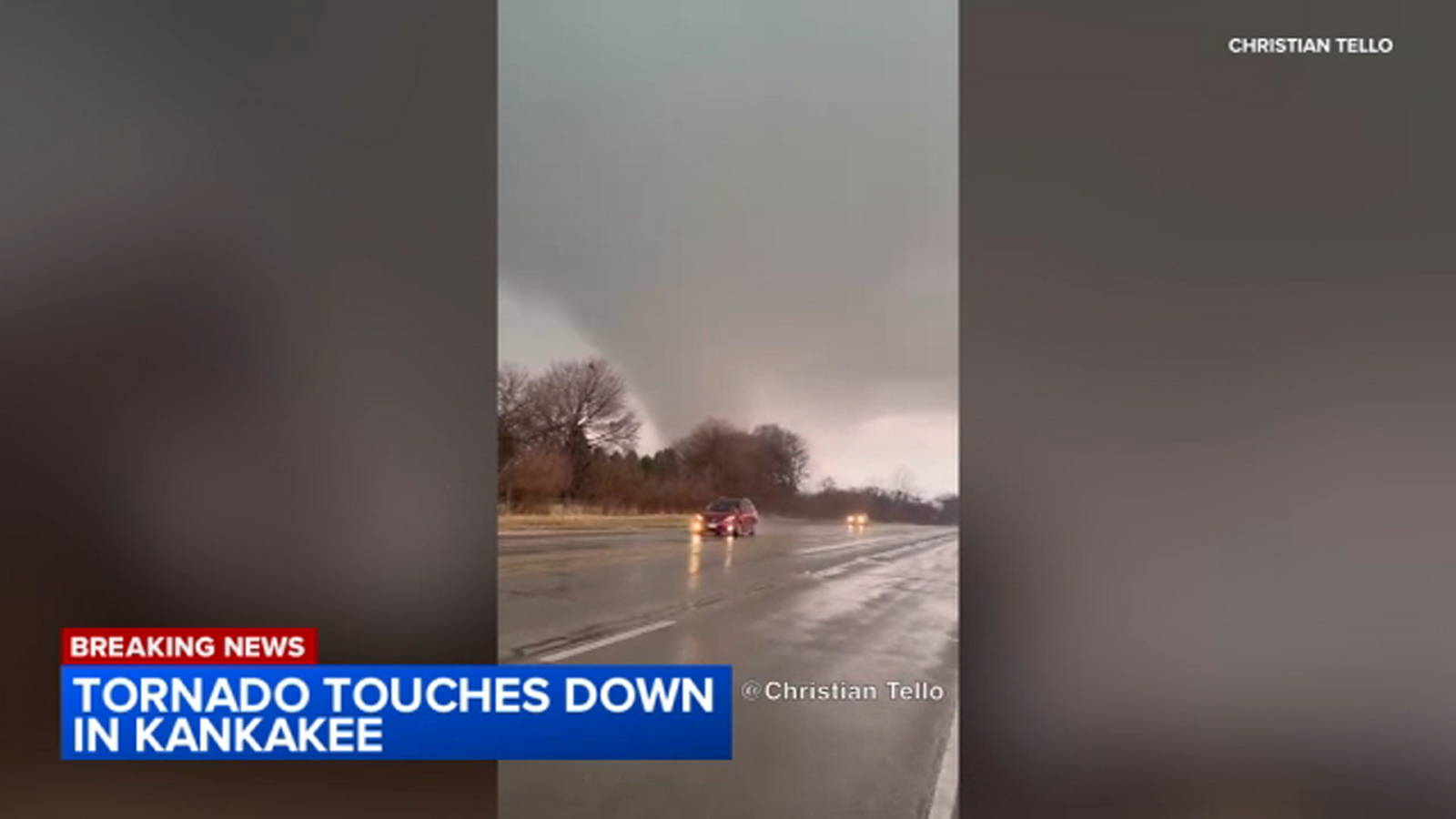
The convergence of atmospheric fronts across the Chicago-Northwest Indiana corridor has escalated from a meteorological event into a systemic operational crisis. The Storm Prediction Center’s Level 4 ‘Moderate Risk’ designation highlights a high-intensity environment capable of sustained kinetic damage to fixed assets. In Kankakee County, this materialized as the collapse of primary power distribution networks and the forced closure of the I-57 corridor—a critical node for mid-continental commerce. The Kankakee County Sheriff’s Office confirmed widespread downed lines, creating secondary hazards such as electrical fires and localized grid instability.
The closure of Route 45/52 from River Road to Exit 308 of Interstate 57 serves as a primary indicator of logistical friction. These disruptions force the rerouting of commercial transport, increasing operational costs for supply chain entities. When major thoroughfares are compromised by debris and flooding, the economic cost of transit delays ripples through the broader Midwestern distribution network, testing the resilience of just-in-time delivery models.
Actuarial Exposure and Property Loss Thresholds
The documentation of “tennis ball-sized” hail (up to two inches in diameter) represents a critical threshold for actuarial exposure. Hail of this magnitude achieves terminal velocities sufficient to penetrate building envelopes and cause total-loss damage to automotive fleets. In high-density zones like the Chicago suburbs, these Level 3 and 4 threats trigger a surge in claims that challenge the liquidity and response capacity of regional insurers. The “cellular” nature of these storms allows for concentrated bursts of energy, creating hyper-localized but severe damage profiles that complicate municipal risk assessment.
The geographic concentration of risk—varying from Level 2 in northern counties to Level 4 in southern and western communities—highlights a significant concentration of capital at risk. In Aroma Park and Wheatfield, early reports of minor injuries and structural damage indicate that despite functional warning systems, the velocity of onset created unavoidable physical risks. The focus for property managers now shifts to assessing the structural integrity of the built environment against future high-intensity events.
Utility Recovery Cycles and Compounding Hazards
As tornado warnings expire, the operational focus transitions to utility recovery. Downed lines across Kankakee County signify systemic failure of overhead distribution infrastructure under 70 mph wind loads. Utility providers face complex restoration cycles, prioritized by high-voltage nodes, while managing compounding risks from saturated ground and localized flooding. This saturated terrain hinders debris removal and threatens the stability of underground utility foundations, requiring a resource-intensive, multi-agency response.
A sustained Tornado Watch across Grundy, LaSalle, and Northwest Indiana counties extends the window for capital loss and restricts the deployment of recovery crews. Safety protocols often prohibit work on elevated infrastructure during active watches, lengthening the duration of power outages and road closures. Ultimately, this event serves as a case study in the intersection of public safety and the restoration of the logistical networks that define the regional economy.