

Strategic Imperative: Defining Moments in Group B
The upcoming CONMEBOL Libertadores fixture between Deportes Tolima and Coquimbo Unido represents a critical juncture for both organizations in the competitive landscape of Group B. For Deportes Tolima, currently holding only a single point, this match serves as a structural necessity to maintain viability in the tournament. A loss would effectively terminate their progression prospects, while a draw would leave them dependent on highly improbable scenarios.
Conversely, Coquimbo Unido enters the match with significant momentum, having secured a draw against Nacional and a crucial victory over Universitario. This performance trajectory positions the Chilean club as a key disruptor within the group, forcing opponents to recalibrate their tactical approach to counter a high-intensity, vertical style of play that has proven highly effective in early-stage competition.
Tactical Dynamics and Operational Challenges
Deportes Tolima captain Anderson Angulo has accurately characterized the encounter as a final, underscoring the internal pressure to deliver results under the scrutiny of the continental stage. Tolima’s strategic focus centers on regaining competitive form, a challenge compounded by the necessity of neutralizing Coquimbo’s specific tactical profile. Coquimbo relies heavily on rapid wing transitions and the physically imposing presence of a central forward, creating high-pressure situations that Tolima must counter effectively.
The ability of Tolima’s coaching staff to implement a defensive structure capable of mitigating Coquimbo’s pace and counter-attacking prowess will be the decisive factor in determining the club’s continued participation in the competition. The tactical battle will center on Tolima’s capacity to control central midfield and limit the spaces available for Coquimbo’s quick transitions, thereby disrupting their primary offensive mechanism.
Institutional Stakes and Market Consequences
For Deportes Tolima, the institutional stakes extend beyond the immediate match result. Early elimination from a tournament that serves as a primary driver of revenue and brand equity forces a re-evaluation of current strategic investments and player recruitment policies. Success in the Libertadores provides not only direct prize money but also enhances the market value of the playing squad, a critical component of the long-term financial stability for clubs in the South American market.
For Coquimbo Unido, the match serves as a validation of their recent tactical evolution and ability to perform in hostile away environments. The club’s current standing reflects a successful application of high-intensity pressure, which has proven effective against established regional powers. The outcome will dictate the financial and reputational trajectory for both clubs for the remainder of the season, highlighting the volatility inherent in the continental competition structure where institutional growth or stagnation often hinges on a single performance.
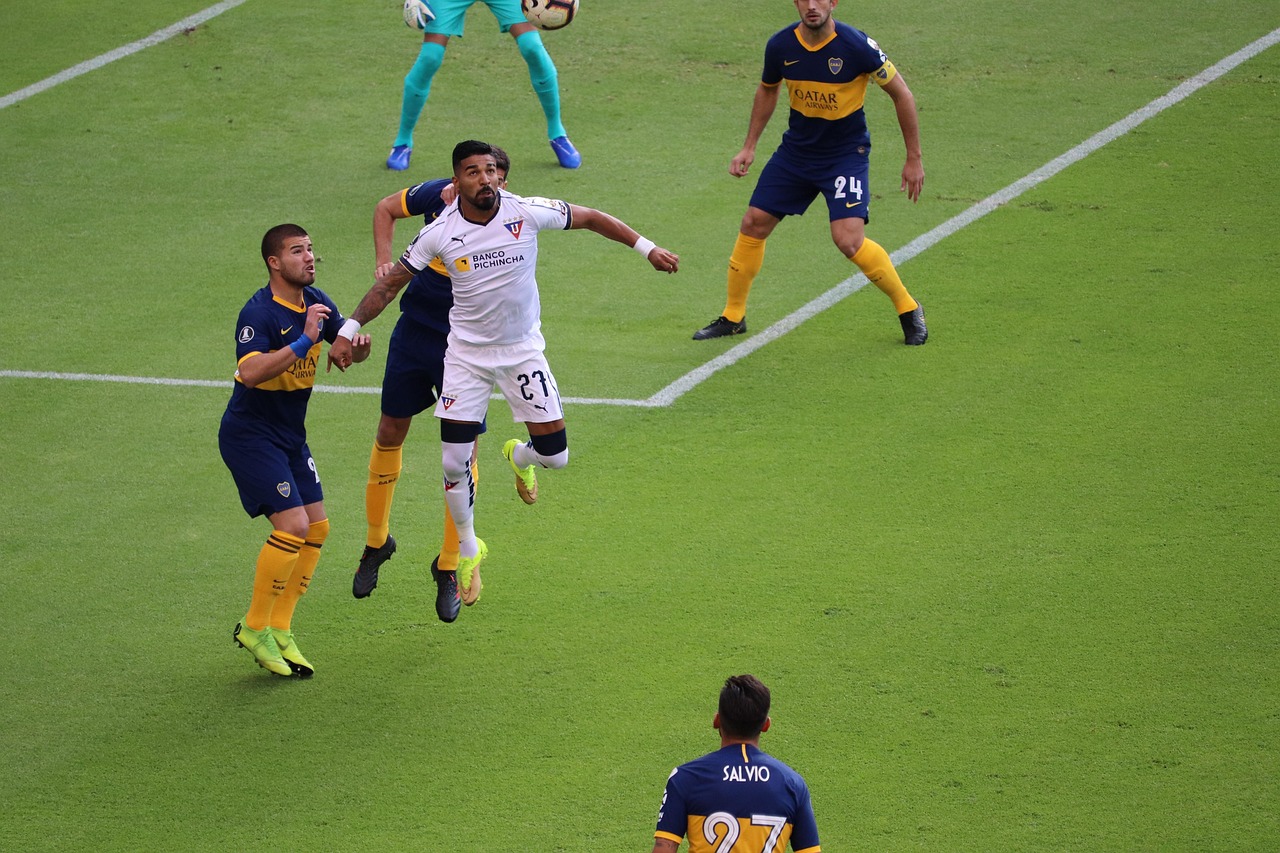
Photo by Andape on Pixabay.