Gallatin Fire Exposes Critical Risks of Home Medical Equipment Storage
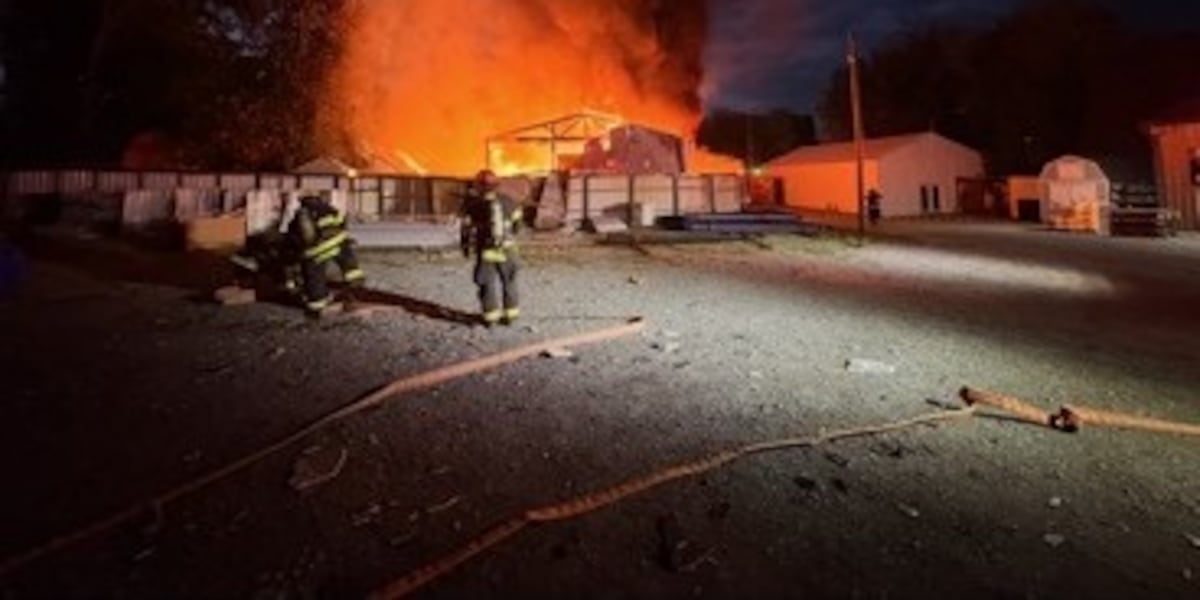
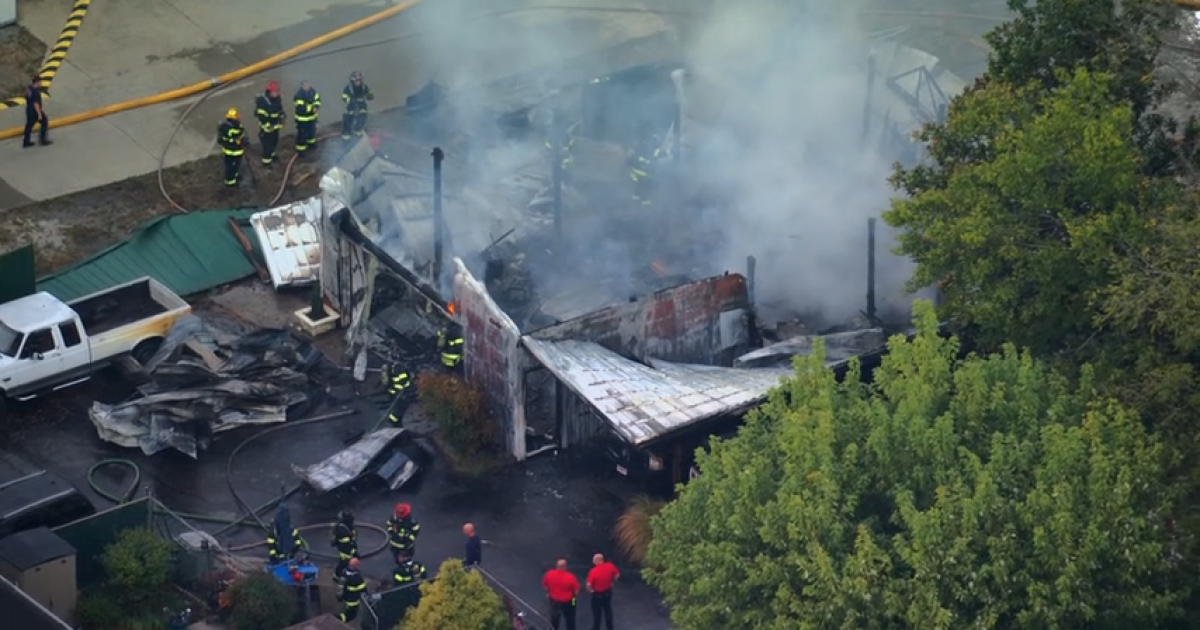
A significant structure fire in Gallatin, Tennessee, initially reported as a detached garage blaze, has been identified by fire officials as originating from and involving home medical equipment, specifically exploding oxygen cylinders. The incident, occurring early Wednesday morning on Coles Ferry Road, necessitated a multi-crew response and led to a city block closure due to the fire’s intensity and the ongoing threat of further explosions.
The Gallatin Police Department issued advisories to residents and commuters, highlighting the severe disruption and hazard posed by the fully engulfed structure. The fire’s ignition within a detached garage adjacent to a residence, coupled with the documented explosions, points to a critical failure in managing potentially volatile materials within a domestic setting. This event immediately raises urgent questions about safety protocols for storing and using such equipment in residential areas.
Direct Stakeholder Exposure and Immediate Risk Mitigation
The most immediate stakeholders exposed to risk included the homeowner and adjacent property owners, notably the Animal Rescue Corps. Employees at the animal shelter reported hearing a powerful explosion that shook their facility and witnessing flaming embers fall onto their building, necessitating immediate, on-site mitigation efforts to prevent secondary ignitions. This vividly illustrates the cascading risk a single property fire can impose on its neighbors when hazardous materials are involved.
The Animal Rescue Corps, responsible for numerous animals, faced a direct threat to its operations and the safety of its charges. Staff deployed garden hoses to douse the shelter’s roof and grounds, actively combating ember spread. This demonstrates the critical need for robust emergency preparedness and immediate, localized response capabilities for organizations operating in close proximity to potential hazards.
Operational & Strategic Implications for Home Healthcare Industry
The Gallatin Fire Chief’s confirmation of medical equipment and oxygen cylinders as the explosion source highlights a significant, often overlooked, operational challenge within the home healthcare sector. While indispensable for patient care, the storage of high-pressure cylinders and related medical apparatus in residential environments presents inherent risks that may not be fully appreciated by all users or adequately addressed by current safety guidelines. This incident serves as a stark warning for manufacturers, distributors, and end-users to rigorously re-evaluate storage protocols and safety education.
For the home healthcare industry, this event could trigger intensified scrutiny from regulatory bodies and insurers regarding the safe handling and storage of medical gases and equipment. Providers may face pressure to implement stricter safety audits, enhance customer training programs, and potentially develop specialized storage solutions for high-risk equipment. Financial implications could include increased insurance premiums for providers and potentially higher costs for consumers if new safety mandates are introduced.
Community Impact and Emergency Response Dynamics
The incident’s impact extended beyond the immediate fire zone, disrupting traffic and raising alarm throughout the Gallatin community. Residents like Ramon Garcia, living across the street, described the initial explosion as a sudden, forceful event that prompted immediate concern. Marta Mastropasqua, sleeping nearby, detailed the visceral experience of the explosion and the subsequent visual confirmation of the fire, leading to her prompt 911 call.
The rapid deployment of multiple Gallatin fire crews was instrumental in containing the blaze and preventing further spread, particularly to the adjacent animal shelter. The Fire Chief’s on-site assessment of the exploding oxygen cylinders provided critical intelligence to responding units, enabling them to adapt tactics to the specific hazards present. This underscores the vital importance of clear, rapid communication between residents, emergency dispatchers, and first responders in managing complex incidents.
Broader Regulatory & Public Safety Considerations
The Gallatin fire incident, though localized, carries broader implications for public safety regulations concerning hazardous material storage in residential zones. The presence of medical equipment capable of becoming volatile under fire conditions necessitates a review of existing building codes and fire safety ordinances. This could involve establishing clearer guidelines for the placement and containment of such equipment within homes, especially in multi-unit dwellings or densely populated areas.
Furthermore, the incident may prompt a re-evaluation of public awareness campaigns regarding the safe use and storage of home medical equipment. Educational initiatives targeting patients, caregivers, and healthcare providers must be strengthened to emphasize the risks associated with oxygen cylinders and other potentially hazardous materials. The objective is to foster a pervasive culture of safety that minimizes the likelihood of such incidents.
Competitive Landscape and Industry Response
Within the competitive home healthcare market, companies that proactively address safety concerns and offer superior training and support are likely to gain a competitive advantage. Those lagging in implementing robust safety measures may face reputational damage and increased regulatory oversight. The incident may also spur innovation in the design of safer medical equipment and storage solutions, creating new market opportunities for manufacturers focused on risk reduction.
The insurance industry will likely monitor such incidents closely, potentially adjusting underwriting practices and premium rates for both home healthcare providers and individual users. A more rigorous assessment of risk factors associated with the storage of medical gases could become standard practice, influencing the cost and availability of coverage.
Future Scenarios and Preventative Measures
The Gallatin fire serves as a critical case study for emergency management agencies, healthcare providers, and regulatory bodies. It underscores the need for a comprehensive approach to home safety that accounts for the evolving nature of medical care and the materials involved. This includes not only fire prevention but also robust preparedness for incidents involving hazardous materials in domestic settings.
Long-term consequences could include updated safety standards for home medical equipment, enhanced training protocols for users and providers, and potentially zoning or building code considerations for properties where such equipment is regularly used. The focus will likely shift towards a more proactive risk management strategy, prioritizing incident prevention.
Media Narrative and Public Perception
Media coverage emphasizing the explosion and proximity to the animal shelter effectively communicated the immediate danger and the critical role of emergency responders. This narrative highlights the vulnerability of residential areas to industrial-like hazards when not properly managed. The focus on the Animal Rescue Corps’ proactive ember mitigation also underscores community resilience and shared responsibility for local safety.
Public perception shaped by such events influences consumer behavior and demand for safer products and services, and plays a role in policy discussions. The Gallatin fire’s dramatic nature and clear link to hazardous materials will likely make it a reference point in discussions about home safety and medical equipment management.
Economic and Financial Ramifications
Direct costs of the fire include property damage and emergency response expenses. Indirect costs may involve business interruption for the Animal Rescue Corps and other affected properties, as well as potential long-term impacts on local property values. The financial burden on the homeowner, beyond insurance, could be substantial.
The broader economic impact may include increased investment in fire safety technologies and services by both public and private sectors. Companies specializing in hazardous material containment, fire suppression systems, and safety training could see increased demand. The insurance market’s response, in terms of risk assessment and premium adjustments, will also have a ripple effect across the home healthcare and residential property sectors.
Institutional and Policy Responses
The incident is likely to prompt a review of existing institutional policies and the development of new ones at local, state, and potentially federal levels. Fire departments and building code officials will analyze the event to identify gaps in current safety regulations and enforcement. Healthcare regulatory agencies may also examine their oversight of home medical equipment providers and patient safety protocols.
The effectiveness of inter-agency cooperation during the incident, as evidenced by the swift response of Gallatin PD and fire crews, will also be assessed. Lessons learned could inform future emergency management plans, particularly those addressing hazardous material incidents in residential settings. Collaboration between public safety entities and private organizations like the Animal Rescue Corps will be key for optimizing community-wide resilience.
Technological and Innovation Drivers
The fire’s origin in exploding oxygen cylinders could accelerate innovation in the design of safer oxygen storage and delivery systems for home use. This might include developing more robust cylinder materials, integrated pressure regulation systems less prone to failure, or exploring alternative oxygen delivery technologies. The market for smart home safety devices detecting gas leaks or unusual pressure fluctuations could also see increased interest.
Furthermore, advancements in fire detection and suppression technologies tailored for residential environments, particularly those accounting for specific hazards like medical gases, may become more prominent. The development of advanced sensor networks and AI-driven risk assessment tools could also play a role in preventing similar incidents by identifying potential hazards before they escalate.
Long-Term Societal and Cultural Shifts
The Gallatin fire contributes to growing societal awareness of risks associated with increased reliance on home-based medical care. As more treatments and equipment move from institutions to residences, the intersection of healthcare and home safety becomes paramount. This incident underscores the need for a cultural shift towards a more integrated approach to health and safety management within the home.
It also highlights the importance of community preparedness and mutual aid, as demonstrated by the Animal Rescue Corps’ proactive ember mitigation. Fostering stronger community networks and shared responsibility for local safety can significantly enhance resilience against unexpected hazards. The event serves as a potent reminder that safety is a collective endeavor, extending beyond individual households to encompass the entire community.
Conclusion: A Call for Enhanced Safety Protocols
The structure fire in Gallatin, Tennessee, originating from a detached garage and involving exploding oxygen cylinders, serves as a critical cautionary tale. It underscores the imperative for enhanced safety protocols surrounding the storage and use of home medical equipment. The incident exposed multiple stakeholders to significant risks, from the homeowner to neighboring organizations and the broader community.
Moving forward, the focus must be on a multi-faceted approach involving manufacturers, healthcare providers, regulatory bodies, and end-users to ensure that the benefits of home medical care do not come at the unacceptable cost of increased safety risks. The lessons learned from this Gallatin blaze should catalyze a proactive and comprehensive strategy for managing hazardous materials within residential environments, thereby safeguarding both individuals and communities.