Air Force Reverses Course on Presidential Aircraft Livery Change
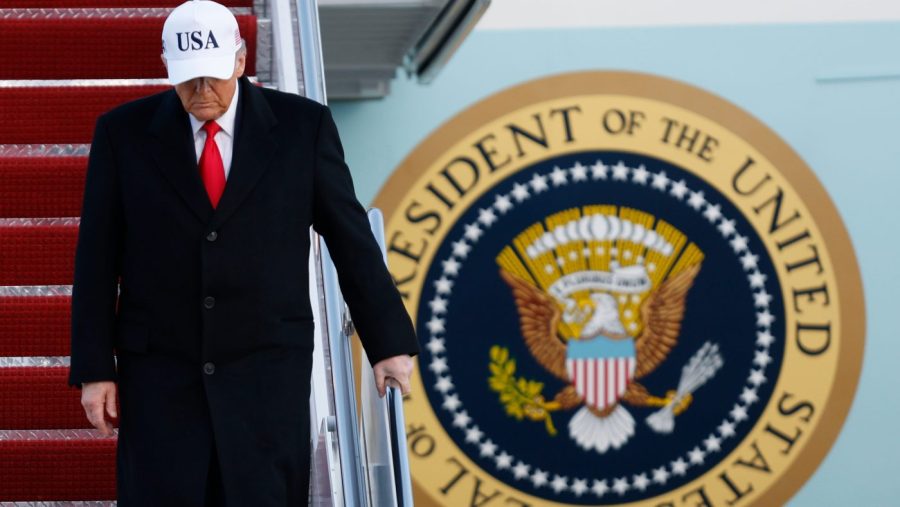
The U.S. Air Force has confirmed that new aircraft designated for presidential transport will receive a new paint scheme, adopting a design proposed during the Trump administration. The new livery, featuring red, white, gold, and dark blue, will replace the long-standing baby blue and white color scheme that has defined the presidential fleet since the Kennedy administration. This decision reverses a prior determination made during the Biden administration, which had cited technical and cost concerns related to the proposed design.
The change affects not only the new VC-25B aircraft—heavily modified Boeing 747s that serve as Air Force One—but also several other aircraft in the executive fleet. Sources indicate that four smaller C-32 aircraft, which function as Air Force Two when carrying the Vice President, are also being repainted. The new palette will also be applied to a donated Qatari jet, indicating a comprehensive fleet-wide branding initiative rather than a single aircraft modification.
Procurement Conflict: Technical Risks vs. Political Override
The reversal highlights the intersection of political preference and institutional procurement standards within the Department of Defense. The Biden administration’s 2022 rejection was based on a specific technical assessment. A spokesperson for the Air Force stated at the time that “further analysis concluded darker colors… on the underside of the VC-25B aircraft might contribute to temperatures exceeding the current qualification limits of a small number of components.” This technical assessment suggested potential operational risks and increased maintenance complexity associated with heat absorption by the darker colors, specifically concerning component integrity and long-term durability.
The decision to proceed with the darker colors implies a re-evaluation of the technical risk, a modification of component specifications, or a political override of the initial engineering assessment. In defense procurement, changes to specifications—particularly those related to operational safety and component qualification—typically lead to significant cost adjustments and schedule delays. The initial rejection suggested a cost-benefit analysis where the aesthetic preference did not outweigh the technical and financial implications of mitigation or risk acceptance. The Air Force’s decision to proceed suggests that either mitigation strategies have been developed, or the operational risk threshold for certain components has been adjusted.
Program Scope and Contractor Dynamics
The repainting and modifications are being handled by contractor L3Harris at its facility in Greenville, Texas. The scope of work for L3Harris includes upgrading the C-32 aircraft, which are used by the First Lady and Cabinet secretaries in addition to the Vice President. The decision to apply the new livery across multiple aircraft types indicates a significant change order for the contractor, impacting resource allocation, supply chain logistics for specialized paints, and project timelines.
The VC-25B program, already a complex and high-cost modification of commercial airframes, faces additional variables with this change in specifications. The modification process involves integrating advanced communication systems, defensive measures, and specialized interior configurations. Introducing a new paint scheme that potentially impacts thermal management adds another layer of complexity to an already challenging engineering and integration effort. For defense contractors, changes in specifications during a modification program often result in cost growth and schedule extensions, requiring specific engineering solutions or specialized materials to ensure compliance with operational standards under new thermal conditions imposed by the darker colors.
Symbolic Identity and Precedent
The shift from the Kennedy-era design to the new palette represents a significant change in institutional identity for the presidential fleet. The baby blue and white scheme, introduced during the Kennedy administration, became synonymous with the presidency and a symbol of national continuity. The new design, featuring dark blue, red, and gold, aligns closely with the branding of a specific political figure rather than a neutral, long-standing institutional aesthetic. This change breaks with decades of tradition, signaling a departure from the established visual language of the office.
The back-and-forth nature of the decision-making process, where one administration’s technical rejection is reversed by a subsequent administration, highlights the vulnerability of institutional standards to political influence. The Air Force’s initial technical assessment, which prioritized component safety and cost efficiency, was ultimately superseded by a decision prioritizing aesthetic preference. This dynamic raises questions about the long-term stability of technical standards and procurement specifications in high-profile government programs.