The Mechanics of Retail Counter-Programming
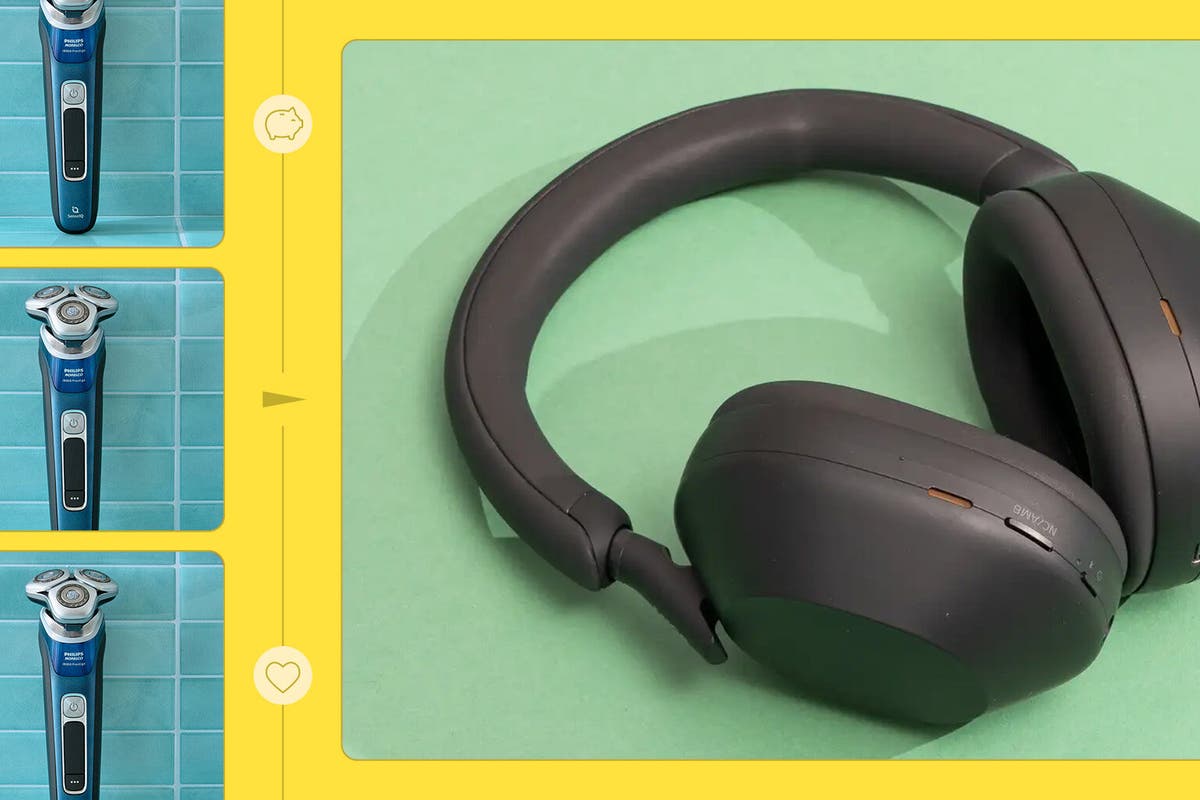
The mid-year peak sales event landscape is a sophisticated battleground for consumer wallet share, marked by aggressive counter-programming. Best Buy’s ‘Tech Fest,’ running through June 28, represents a strategic countermeasure to Amazon’s Prime Day. It employs an extended promotional window to capture demand that might otherwise exclusively benefit dominant e-commerce platforms.
This strategy centers on curating high-value electronics, specifically targeting segments where physical retail or specialized service models offer a distinct competitive advantage. By integrating these discounts with expert editorial recommendations, Best Buy aims to bridge the gap between impulsive online shopping and informed, high-consideration purchasing decisions.
Incentive Structures and Membership Leverage
A cornerstone of Best Buy’s current strategy is the integration of its My Best Buy Plus and Total membership tiers within the promotional framework. These tiered programs are engineered to enhance customer lifetime value by fostering a closed-loop ecosystem. Recurring benefits, such as exclusive pricing and extended support, are designed to incentivize repeat transactions and build loyalty.
The financial rationale is to secure a more predictable revenue stream and reduce customer acquisition costs by offering deeper discounts to members. This pivot towards membership-gated value aligns with a broader industry trend prioritizing long-term customer loyalty over short-term transactional volume during peak sales periods.
Strategic Bundling in High-Ticket Categories
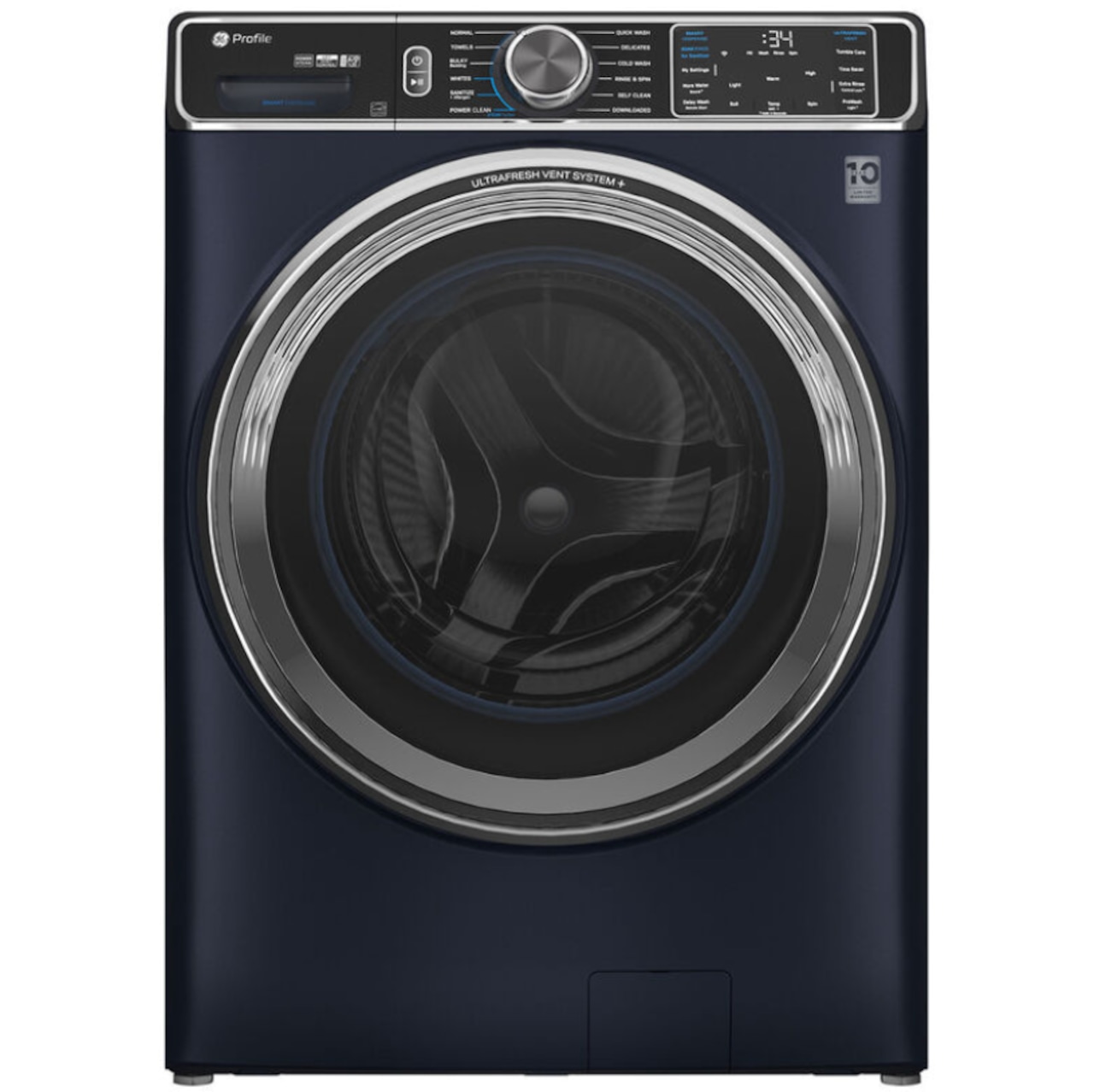
In the appliance sector, the strategy transcends simple price reductions to complex bundle optimization. By pairing high-end units from manufacturers like GE Profile, LG, and Samsung, Best Buy capitalizes on the logistical and installation advantages inherent in its physical retail model to drive higher average order values.
Documented savings, such as $910 on specific washer-dryer bundles, augmented by an additional $300 incentive for combined purchases, illustrate a tactical focus on household capital expenditure. This encourages consumers to consolidate purchases, while simultaneously optimizing inventory turnover and reducing the logistical friction associated with fragmented appliance deliveries for the retailer.
Operational Positioning and Market Differentiation
The promotion of specific hardware, exemplified by the Acer Aspire Go 15 laptop, highlights a focus on the value-tier segment of the PC market. By emphasizing AI-integrated features like Copilot and advanced microphone noise suppression, Best Buy aligns its inventory with current technological trends, enhancing its relevance against broader, more generalized marketplaces.
This positioning prioritizes establishing a value niche that balances performance with cost-efficiency, moving beyond mere price competition. Leveraging third-party expert validation aims to mitigate consumer hesitation, particularly in categories where technical specifications can be overwhelming.
Systemic Implications of Seasonal Sales Events
The prevalence of these counter-sales events underscores the structural pressure on traditional retailers to maintain visibility amidst intense digital competition. The reliance on curated, expert-vetted product lists signals a shift towards positioning retailers as trusted consultants rather than mere transaction facilitators.
This evolution is a necessary adaptation to a market characterized by high information parity and absolute price transparency. As retailers refine these strategies, the focus is likely to remain on enhancing the post-purchase experience and integrating services that digital-first competitors may find challenging to replicate at scale.
Risk and Opportunity in Retail Aggregation
The competitive environment fueled by overlapping sales events poses significant risks, notably margin compression. While promotional events drive volume, the imperative to match or beat competitor pricing necessitates a careful balance between revenue growth and operational sustainability.
Stakeholders must meticulously monitor how these promotional cycles impact quarterly earnings and inventory health. Effectively managing these events without eroding brand equity or long-term profitability remains the primary challenge for large-scale retailers, particularly in environments marked by high inflation and elevated interest rates.
Institutional Context of Modern Retail
The integration of AI-powered features in consumer electronics, as demonstrated in the marketing of current laptop inventory, signals a fundamental shift in hardware sales. Retailers are increasingly tasked with educating consumers on the practical utility of software-defined features, effectively serving as the final integration point in the supply chain.
This expanded role carries substantial reputational and operational weight. If the hardware underperforms in delivering promised AI-enhanced capabilities, the retailer shares in the potential for consumer dissatisfaction, irrespective of the original manufacturer’s specifications.
Conclusion: The Future of Retail Competition
The strategic maneuvers observed during this sales period highlight a clear trend towards more integrated, service-oriented retail models. By emphasizing bundles, exclusive membership benefits, and expert-curated selections, retailers are constructing a defensive moat against the commoditization of their inventory.
The ultimate success of these initiatives will be judged not solely by immediate sales figures, but by the demonstrated ability to retain customers within their respective ecosystems. As the market matures, differentiation among retailers will increasingly hinge on their capacity to deliver value extending beyond the initial transaction, transforming seasonal sales into a springboard for sustained customer engagement.