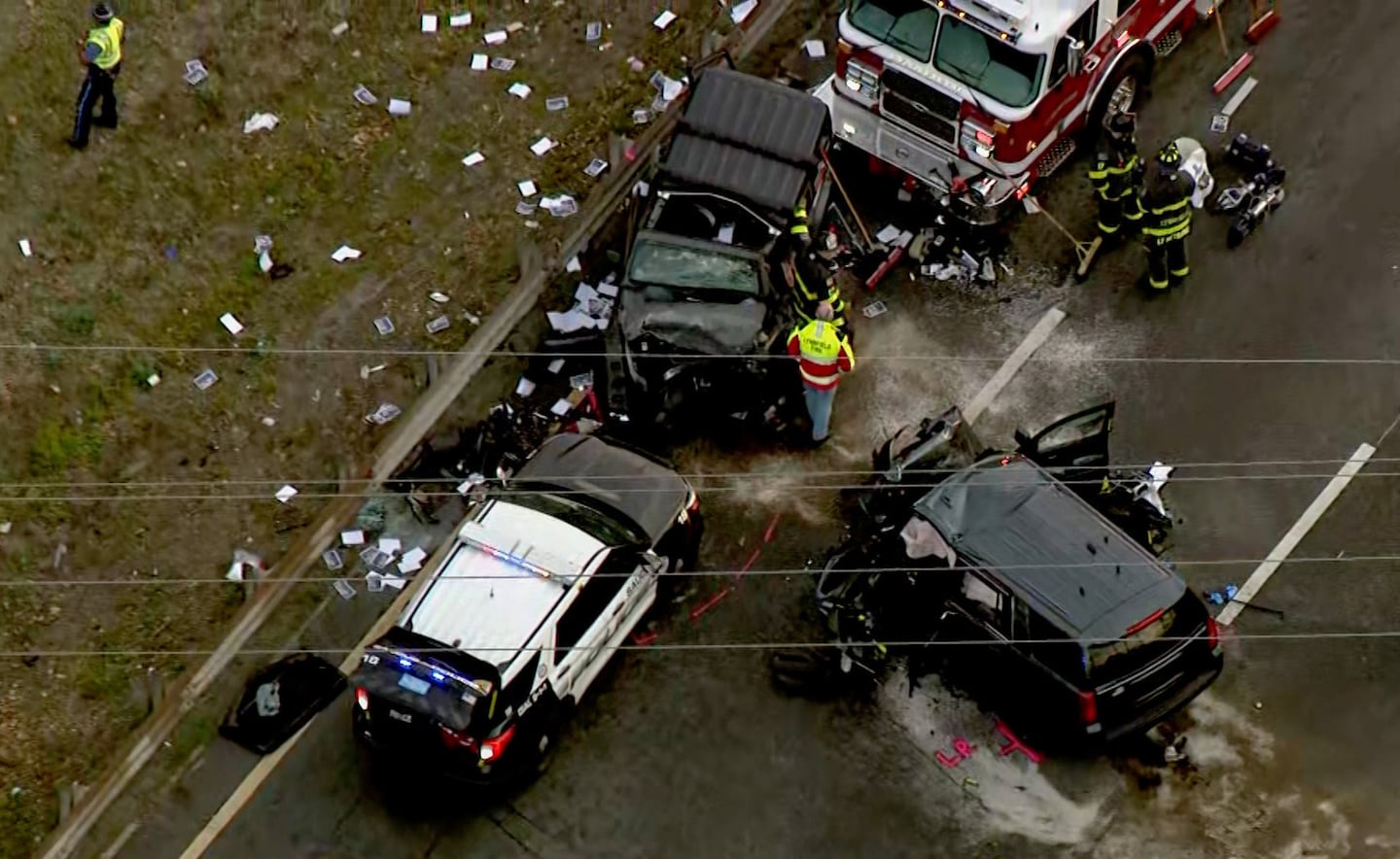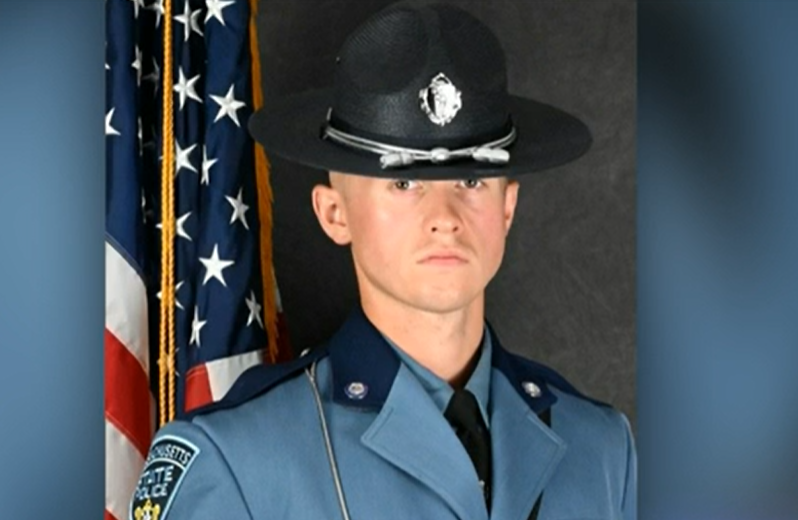
The fatal head-on collision on Route 1 in Lynnfield, occurring at approximately 2:03 a.m. on Wednesday, signifies more than a localized tragedy; it represents a profound disruption to the Massachusetts State Police (MSP) operational framework. The incident, involving a Jeep traveling southbound in the northbound lanes, resulted in the deaths of Trooper Kevin Trainor and the civilian operator, highlighting the critical vulnerability of law enforcement during high-speed, wrong-way intercepts.
Institutional Resilience and Human Capital Loss
From a strategic perspective, the loss of a three-year veteran like Trooper Trainor impacts the MSP’s mid-tier human capital. Officers at this career stage have transitioned from probationary learning to established field competency, serving as the backbone of active patrol divisions. The department must now manage the psychological and administrative fallout of this loss while maintaining coverage on high-risk corridors. Colonel Geoffrey Noble’s immediate framing of Trainor’s actions as heroic is a calculated leadership response designed to reinforce institutional morale and validate the high-stakes mandate of the agency during a period of mourning.
Governor Maura Healey’s public alignment with the MSP command staff further elevates the discourse, shifting the focus from a singular traffic event to a broader state-level priority. This executive involvement signals a unified front in addressing the legal and procedural complexities that follow line-of-duty deaths, including the management of state-mandated benefits and the potential for infrastructure-focused policy shifts.
Forensic Dynamics of the Lynnfield Intercept
The mechanics of the crash reveal the narrow tactical window available to responders. Dispatch data indicates that the 911 report and the subsequent impact were separated by a minimal temporal margin, leaving Trooper Trainor with negligible time to execute a controlled intercept. The kinetic energy of a head-on collision between a Jeep and a standard cruiser likely exceeded the structural safety thresholds of both vehicles, illustrating the extreme lethality of wrong-way maneuvers on divided highways.
Route 1’s specific configuration in Lynnfield, characterized by complex interchanges and heavy traffic flow, serves as a focal point for the subsequent forensic investigation. Analysts from the MSP and local fire crews are scrutinizing the crash site to determine if environmental factors, such as inadequate lighting or signage, contributed to the driver’s disorientation. These findings are essential for informing future patrol strategies and potential engineering modifications to mitigate the risk of high-threat reckless actions.
Systemic Infrastructure and Policy Review
The timing of the event—during the early morning hours—coincides with peak statistical periods for reckless driving and impaired navigation. For the MSP, this necessitates a rigorous evaluation of resource allocation and the efficacy of current wrong-way detection technologies. While the agency’s rapid response demonstrates dispatch efficiency, the fatal outcome underscores the limitations of human intervention in high-velocity scenarios.
The proactive management of the public narrative via the release of dispatch recordings and official tributes serves to stabilize the agency’s reputation. By focusing on transparency and the inherent risks of the profession, the MSP pre-empts speculative criticism and channels public discourse toward the need for enhanced highway safety measures. The legacy of this incident will likely manifest in renewed pressure on state legislators to fund advanced traffic safety technologies and reinforce the physical barriers intended to prevent wrong-way ingress on major arteries.