Supreme Court Redefines Border Authority Over Returning Residents
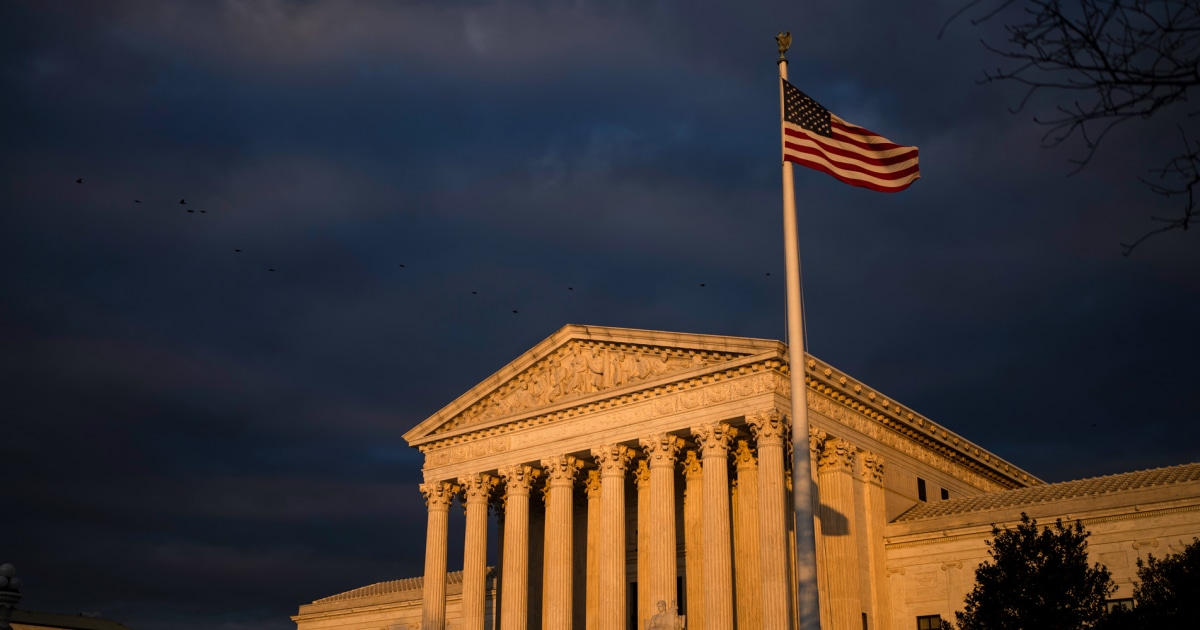
The Supreme Court of the United States has issued a 6-3 decision affirming broader authority for border officials concerning lawful permanent residents (green card holders) upon their return to the U.S. The ruling, stemming from a 2012 case involving Muk Choi Lau’s brief trip abroad and subsequent parole due to a counterfeiting accusation, centers on the evidentiary standards border agents must meet.
The core legal question was whether immigration officers are obligated to present ‘clear and convincing evidence’ of a crime involving moral turpitude before placing a returning lawful permanent resident into detention or on immigration parole. The majority opinion, authored by Justice Clarence Thomas, determined that such a high evidentiary burden does not apply at the initial border assessment stage.
Institutional Implications: Shifting Power Dynamics at Ports of Entry
This ruling significantly bolsters the operational latitude of the Department of Homeland Security (DHS) at U.S. ports of entry. By allowing border agents to treat returning lawful permanent residents as ‘applicants for admission’ – a status typically afforded to non-citizens seeking entry – the Court has fundamentally altered the legal protections previously available to those with established residency status.
This shift empowers federal agencies to more readily initiate immigration proceedings against individuals holding green cards, even in the absence of a finalized criminal conviction. The decision establishes a precedent for expedited review and potential detention based on allegations rather than adjudicated guilt, impacting how the U.S. manages its borders and enforces immigration law.
Dissent Highlights Concerns Over Executive Power and Due Process
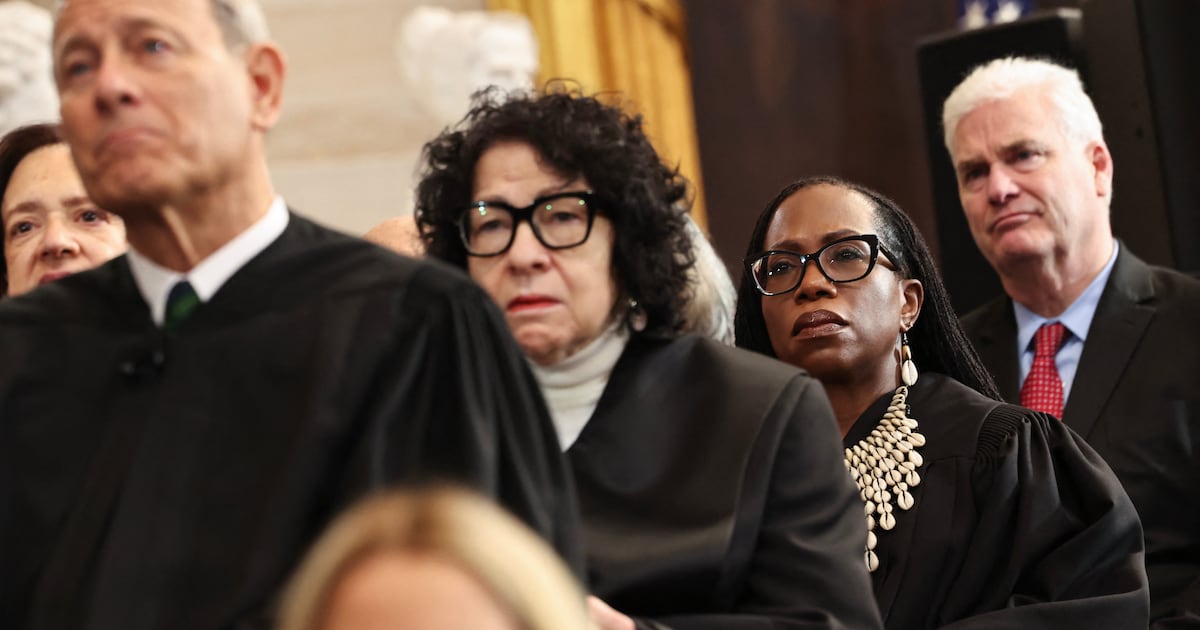
In a strong dissent, Justice Ketanji Brown Jackson, joined by Justices Sonia Sotomayor and Elena Kagan, criticized the majority’s interpretation as an unwarranted expansion of executive power. The dissent argues that the ruling effectively places green card holders in a precarious legal position, susceptible to detention and deportation based on unproven accusations.
The dissenting justices emphasized that the decision undermines statutory protections designed to safeguard lawful permanent residents from being re-evaluated as new entrants. Justice Jackson characterized the majority’s expansive view as granting the government a broad, unchecked authority for future administrative actions concerning long-term residents.
Operational and Strategic Consequences for Immigration Enforcement
The practical ramifications of this decision are substantial for immigration enforcement. Lowering the threshold for detaining returning residents grants the government increased leverage in managing border traffic and addressing potential security concerns. This can lead to more frequent detainments and a more aggressive posture in immigration proceedings against permanent residents facing criminal allegations.
For individuals holding green cards, the ruling introduces a new layer of risk associated with international travel. The ability to initiate removal proceedings based on pending allegations, rather than solely on existing convictions, necessitates a reevaluation of travel strategies and potential legal entanglements for those living in the U.S. with legal permanent residency.
Broader Impact on Judicial Deference and Border Security
This decision reflects a broader trend of judicial deference to executive agencies in matters of national security and border integrity. The Court’s emphasis on the government’s capacity to act on potential threats signals a prioritization of administrative efficiency and border control over the established residency rights of individuals in contested situations.
The ruling suggests a recalibration of statutory interpretation, where the operational imperatives of border enforcement may supersede the protections traditionally afforded to green card holders. This fundamentally alters the legal landscape, requiring a comprehensive understanding of how U.S. immigration law applies to permanent residents navigating international travel and legal challenges.
Future Implications for Immigration Policy and Legal Precedent
The long-term impact will depend on how subsequent administrations leverage the expanded authority granted by the Supreme Court. The ability to treat permanent residents as ‘applicants for admission’ presents a potent tool for immigration enforcement, potentially leading to more stringent border policies and increased scrutiny of residents with any form of criminal record or pending legal issues.
As the legal community dissects this ruling, the focus will shift to how lower courts implement this precedent. The decision highlights the ongoing tension between executive power and individual liberties, underscoring the dynamic balance within the U.S. federal system regarding the rights of individuals residing within its jurisdiction.