August 18, 2026: A Critical Test for Southeastern Wisconsin’s Infrastructure
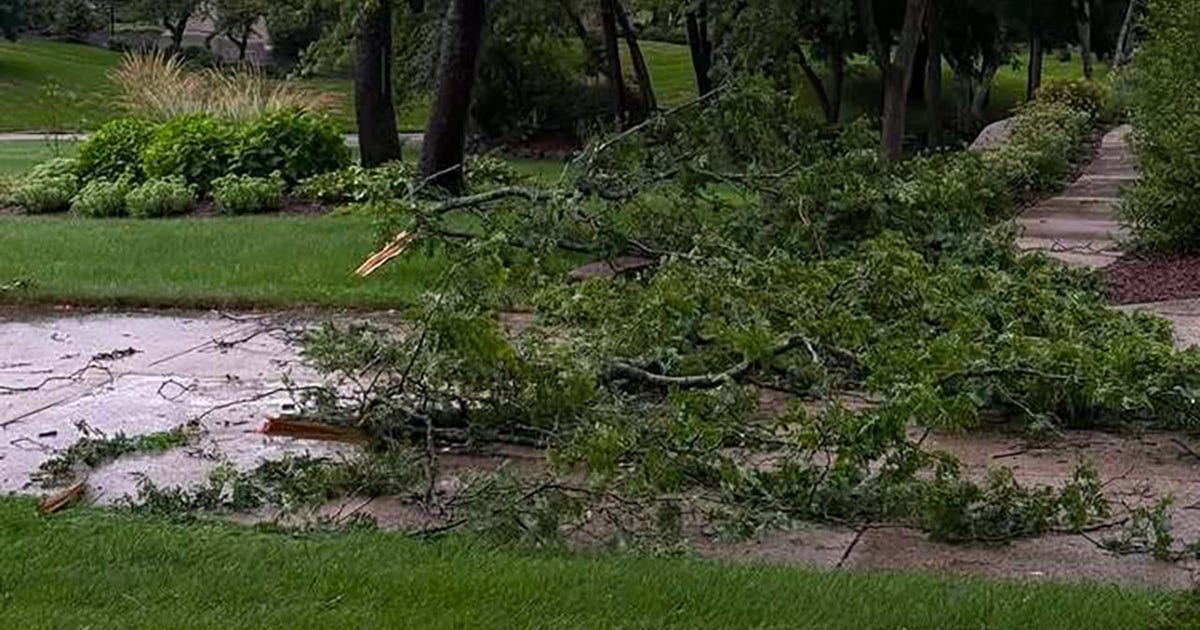
On August 18, 2026, a series of severe thunderstorms, including multiple confirmed tornado warnings, swept across southeastern Wisconsin, initiating widespread disruption and posing a significant operational challenge for regional infrastructure providers. The National Weather Service (NWS) issued urgent advisories for Milwaukee, Waukesha, and Washington counties, highlighting the dynamic and localized nature of the threat. Tornado alerts were specifically active for these counties between 6:34 p.m. and 7:30 p.m. CDT, necessitating immediate public safety responses and demanding rapid, coordinated action from emergency services and utility operators. This meteorological event, characterized by its potential for tornadoes and dangerous flying debris, served as an immediate stress test for the region’s critical systems.
Operational Strain and Logistical Complexities for We Energies
The most immediate and tangible consequence of the severe weather was the widespread disruption of electrical service, which placed an immense operational strain on We Energies, the primary utility provider across the impacted counties. Initial outage reports quickly escalated from over 30,000 customers to a peak of 40,085 We Energies customers by 10 p.m. CDT. Milwaukee County, with its denser population and extensive network, experienced the most significant impact, accounting for 22,578 of these affected customers. Waukesha County reported 11,318 outages, and Washington County saw 2,477 customers without power, collectively illustrating the broad geographical scope and varied impact of the storm.
Responding to outages of this magnitude necessitates a highly coordinated and resource-intensive logistical operation. We Energies faced immediate pressure to mobilize a diverse array of resources, including specialized damage assessment teams, line crews, tree trimming specialists, and heavy equipment operators. The process of damage assessment, often conducted initially via aerial patrols and subsequently by ground teams, is critical but time-consuming, particularly across extensive and often debris-strewn networks. Prioritization of repairs becomes paramount, with critical infrastructure such as hospitals, emergency services facilities, and major transportation hubs receiving immediate attention, followed by areas impacting the largest number of customers.
This extensive operational response carries substantial financial implications. The deployment of additional personnel, often on overtime, and the engagement of external contractors significantly increase operational expenditures. Simultaneously, the utility experiences an immediate loss of revenue from non-serviced customers. These factors combine to directly impact We Energies’ short-term financial performance. Furthermore, the sustained duration of outages, with some areas remaining without power late into Tuesday night, translated into prolonged economic disruption for countless households and businesses, underscoring the interconnectedness of utility performance and regional economic stability.
Unpacking Infrastructure Vulnerabilities and the Imperative for Grid Resilience
The widespread power outages served as a stark demonstration of existing vulnerabilities within the region’s electrical grid infrastructure. Many areas, particularly those with older systems, rely on overhead power lines, which are inherently susceptible to damage from falling trees, high winds, and lightning strikes. While efficient for initial deployment, their exposure makes them a primary point of failure during severe weather events. The geographic spread of the outages, affecting both urban centers and suburban/rural areas, highlighted that these vulnerabilities are not isolated but rather systemic across different operational environments.
These events compel utility providers like We Energies to undertake a comprehensive re-evaluation of their grid resilience strategies and capital expenditure planning. The concept of “infrastructure hardening” moves from a theoretical discussion to an urgent operational imperative. This involves multi-faceted investments such as enhanced tree trimming programs, designed to create greater clearance around power lines, thereby reducing one of the most common causes of storm-related outages. Beyond tree management, strategic undergrounding initiatives for critical segments of the network offer significant protection from weather elements, although at a higher initial cost and increased complexity for fault detection and repair.
Furthermore, the integration of advanced smart grid technologies is crucial for modernizing the electrical distribution system. These technologies, including automated fault location, isolation, and service restoration (FLISR) systems, can rapidly detect issues, reroute power, and isolate damaged sections, significantly minimizing outage duration and the number of affected customers. Investments in stronger poles, more robust conductor materials, and distributed energy resources also contribute to a more resilient, adaptive, and reliable system, better equipped to withstand increasingly volatile weather patterns driven by climate change.
Multi-Agency Coordination and Public Safety Protocols Under Intense Scrutiny
The effectiveness of the region’s emergency response and public safety protocols was rigorously tested. The National Weather Service (NWS) performed a critical function, issuing timely tornado and severe thunderstorm warnings that provided residents with essential lead time to enact precautionary measures. The explicit safety guidance, which advised seeking shelter in basements or the lowest interior floor of a sturdy building and avoiding windows, is paramount for mitigating potential human injury and fatality in such high-impact events.
However, the efficacy of these warnings hinges on a robust and multi-channel communication infrastructure. This network encompasses local media outlets, federal and state emergency alert systems (e.g., EAS, Wireless Emergency Alerts), and grassroots community networks. The rapid evolution of the meteorological situation, characterized by the cancellation of tornado warnings by 7:15 p.m. and all severe warnings and watches by 9 p.m. CDT, underscored the dynamic nature of such events and the constant assessment required by weather authorities. This constant flux, while demonstrating meteorological precision, simultaneously poses a challenge to public information officers, who must communicate changing threat levels with clarity and conciseness to prevent alert fatigue or complacency among the populace.
Beyond initial warnings, the operational efficiency of local emergency services—including law enforcement, fire departments, and medical personnel—is profoundly challenged during and immediately following severe weather. Their capacity to respond to a potential surge in incidents, conduct search and rescue operations, clear significant debris from essential roadways, and provide assistance to vulnerable populations is directly impacted by the scale of the event. Concurrent infrastructure failures, such as impassable roads due to fallen trees or widespread communication outages affecting first responder coordination, can severely impede their ability to perform their duties effectively, highlighting the need for resilient communication systems and pre-planned staging areas.
Cascading Economic Repercussions and Broad Stakeholder Exposure
The severe weather event extended its impact far beyond immediate safety concerns, generating substantial and cascading economic repercussions across Milwaukee, Waukesha, and Washington counties. Businesses, particularly those in the retail, hospitality, and food service sectors, experienced direct and immediate losses due to the widespread power outages. This included significant revenue losses from interrupted sales, decreased productivity as operations ceased, and the critical issue of spoilage for perishable goods that rely on consistent refrigeration.
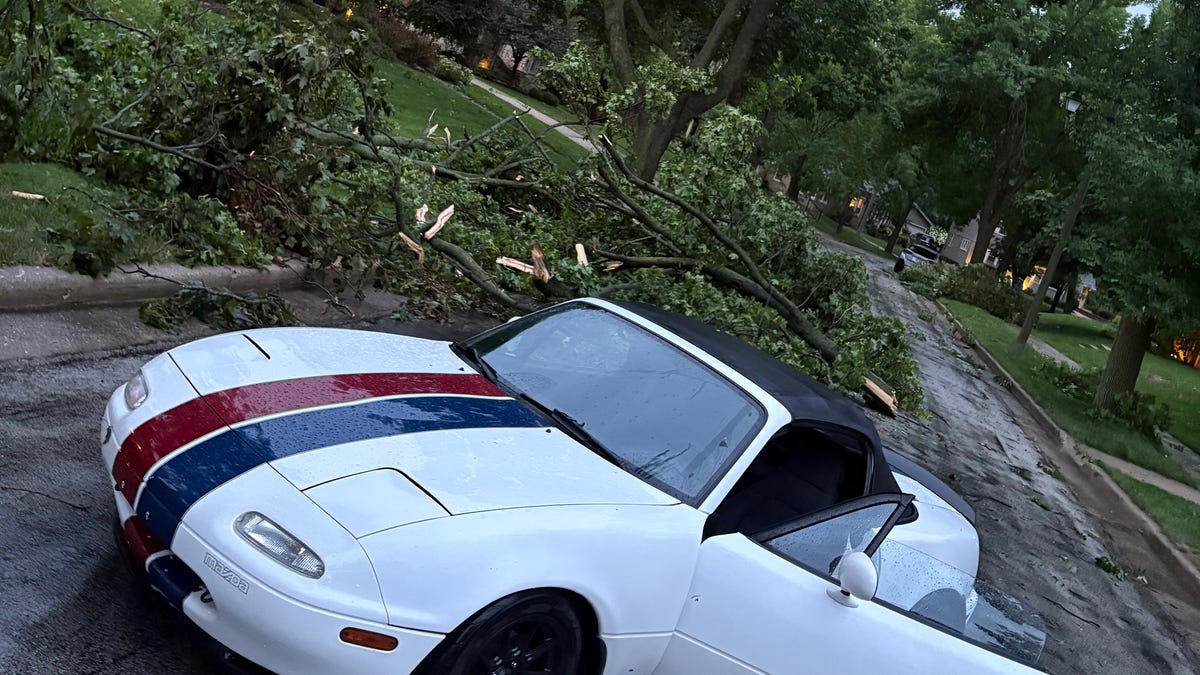
The cumulative effect of these localized disruptions has the potential to ripple throughout regional supply chains. Small and medium-sized enterprises (SMEs), often operating with tighter margins and less robust contingency plans, are particularly vulnerable. Their reliance on consistent power, functional communication networks, and accessible transportation routes means that even brief interruptions can lead to contractual penalties, delayed deliveries, and eroded customer trust. For individual residents, prolonged power outages translated into tangible financial burdens, encompassing not only the cost of spoiled food but also potential expenses for temporary accommodation, fuel for generators, and the often-unforeseen costs associated with repairing storm-induced property damage, such as structural issues, damaged vehicles, or fallen trees.
The insurance sector is a key financial stakeholder directly exposed to such events. A surge in claims related to property damage—including roof damage, broken windows, vehicle impacts, and extensive tree damage—necessitates rapid processing and meticulous damage assessment. This influx of claims not only strains claims departments but also directly influences actuarial models. Over time, recurring severe weather events can lead to adjustments in future premium structures for properties located in areas identified as increasingly prone to such climatic incidents, shifting risk assessments and costs.
Local governments also face significant financial exposure. Unbudgeted expenditures for emergency services deployment, extensive debris removal operations, and the urgent repair of public infrastructure (roads, traffic signals, municipal buildings) can place considerable strain on municipal budgets. Depending on the ultimate severity and scale of the damage, these costs may necessitate applications for state or even federal disaster assistance, highlighting the broader fiscal implications of climate-related disruptions on public finance.
Regulatory Imperatives and Strategic Investment in Grid Modernization
The increasing frequency and intensity of severe weather events, even short-duration ones, place continuous and growing pressure on regulatory bodies to ensure utility providers are not only adequately prepared but also proactively investing in resilience. State Public Service Commissions (PSCs) play a pivotal oversight role, meticulously reviewing utility operations, their storm response protocols, and, crucially, their long-term capital investment plans for infrastructure upgrades. This regulatory framework is designed to balance service reliability with cost-effectiveness for consumers.
Post-event scrutiny of utility performance is a standard practice following incidents of this scale. Regulators typically examine key performance indicators such as outage duration, frequency, and the overall effectiveness of emergency preparedness and restoration strategies. This detailed oversight serves as a powerful incentive for utilities to accelerate investments in grid modernization. Technologies enabling faster fault detection, isolation, and automated restoration (e.g., advanced distribution management systems or ADMS) become critical, as they directly contribute to minimizing the geographic scope and duration of outages, thereby enhancing public safety and economic stability.
Strategic capital allocation decisions by utility companies are therefore heavily influenced by these regulatory environments and their evolving assessment of future weather-related risks. Long-term commitments, such as the strategic undergrounding of power lines in vulnerable areas, the reinforcement of critical transmission structures, and the comprehensive implementation of advanced distribution management systems, are all part of a broader strategy to enhance system robustness. These significant investments are not merely reactive measures but reflect a proactive adaptation to changing climate patterns and their profound implications for critical infrastructure.
Funding these large-scale infrastructure improvements typically involves complex financial mechanisms, most notably rate cases. In these proceedings, utilities seek regulatory approval to recover their investment costs through adjustments to customer rates. This process inherently involves a delicate balancing act: ensuring the necessary investments are made to enhance grid resilience and reliability, while simultaneously addressing affordability concerns for consumers who ultimately bear the financial burden.
The Indispensable Role of Media in Crisis Communication and Public Guidance
During severe weather events, local news organizations, exemplified by FOX6 with its “LIVE UPDATES” and “Weather Experts,” serve as indispensable primary conduits for crisis communication. Their provision of real-time tracking, expert analysis, and localized reporting is critical for maintaining public safety and situational awareness. This function transcends traditional reporting, evolving into active participation within the broader emergency communication ecosystem, complementing official government and utility alerts.
The inherently competitive landscape among local media outlets during crises often acts as a catalyst for comprehensive and continuous coverage. This competition helps ensure that critical NWS warnings, essential safety advice, and granular outage information from providers like We Energies reach the widest possible audience across diverse platforms. This public service dimension of journalism is vital for informing immediate decision-making at individual, household, and business levels, empowering residents to take appropriate protective actions and plan for disruptions.
Crucially, this responsibility is balanced by the imperative to maintain accuracy and avoid sensationalism, particularly when reporting on rapidly evolving and potentially life-threatening situations such as tornado warnings. The media’s capacity to contextualize NWS advisories, translating complex meteorological data into actionable and clear public information, directly influences public response. Effective, trustworthy communication fosters community resilience, preventing both undue panic and dangerous complacency.
In the post-event phase, media coverage typically shifts to documenting the full scope of the impact, chronicling recovery efforts, and holding utility providers, local governments, and emergency agencies accountable for their response and restoration timelines. This continuous scrutiny contributes significantly to the institutional learning process, informing future preparedness strategies, shaping public policy debates regarding infrastructure investment, and refining emergency management protocols for subsequent events.
Towards Long-Term Resilience: Adaptive Strategies for a Climate-Impacted Region
The August 18, 2026, severe weather event in southeastern Wisconsin stands as a compelling case study, illustrating the persistent challenge of maintaining critical infrastructure resilience amidst dynamic and escalating environmental threats. The differentiated impact observed across the densely urbanized Milwaukee County and the more suburban/rural landscapes of Waukesha and Washington counties underscores the heterogeneous vulnerabilities present within a single geographical region. Urban areas, characterized by their high population densities and intricate, interconnected infrastructure networks, face unique complexities in managing extensive power outages and coordinating rapid emergency responses. Conversely, more dispersed rural areas often present significant logistical hurdles for utility crews attempting to access and repair damaged lines, and for emergency services striving to reach isolated or remote communities.
Developing truly adaptive strategies for regional resilience necessitates a multifaceted approach that extends beyond immediate post-storm recovery. This includes continuous advancement in meteorological forecasting capabilities, the deployment of robust and redundant early warning systems, and sustained, strategic investment in infrastructure hardening across various sectors. Beyond the electrical grid, this imperative encompasses reinforcing communication networks to prevent outages, ensuring the resilience of transportation routes for both emergency access and economic continuity, and strengthening the capacity and accessibility of public shelters.
The event illuminated a systemic interplay between natural phenomena, the robustness of human-engineered infrastructure, and the agility of institutional response mechanisms. Moving forward, the imperative is clear: continuous improvement in preparedness through regular drills and updated protocols, strategic, climate-informed infrastructure investment that considers future risks, and coordinated action across all stakeholder groups—utilities, government agencies, businesses, and communities. By fostering such an integrated approach, southeastern Wisconsin can enhance its overall community resilience, mitigating the adverse impacts of future severe weather events and adapting to a changing climate reality.