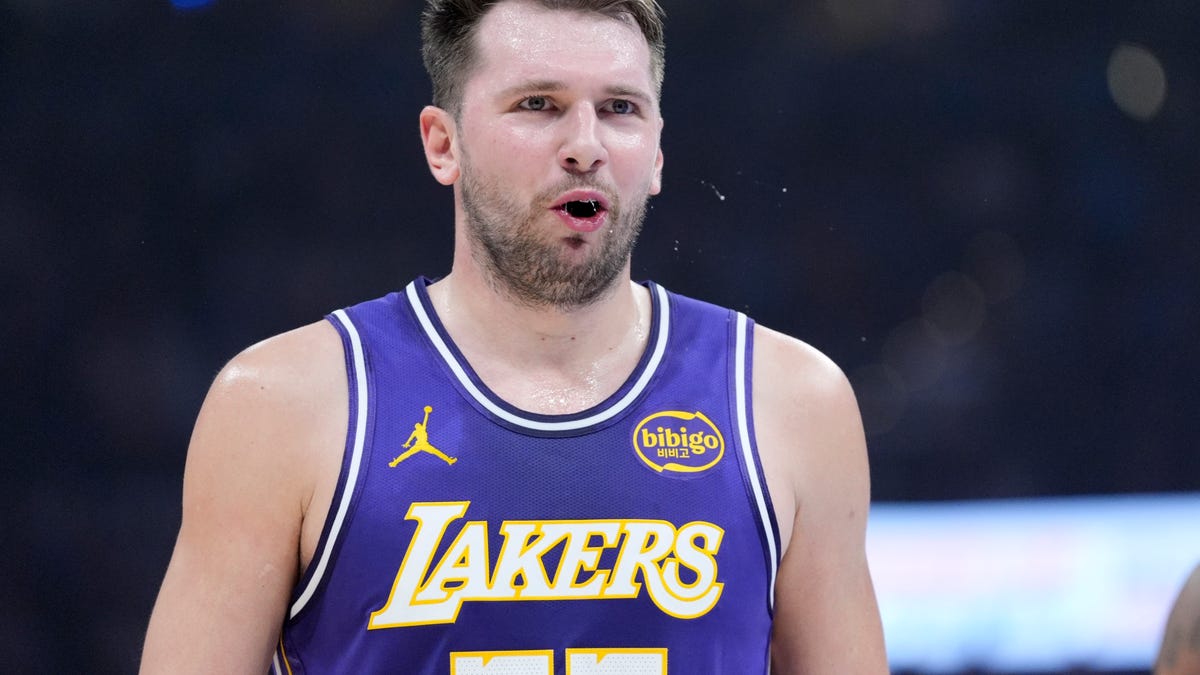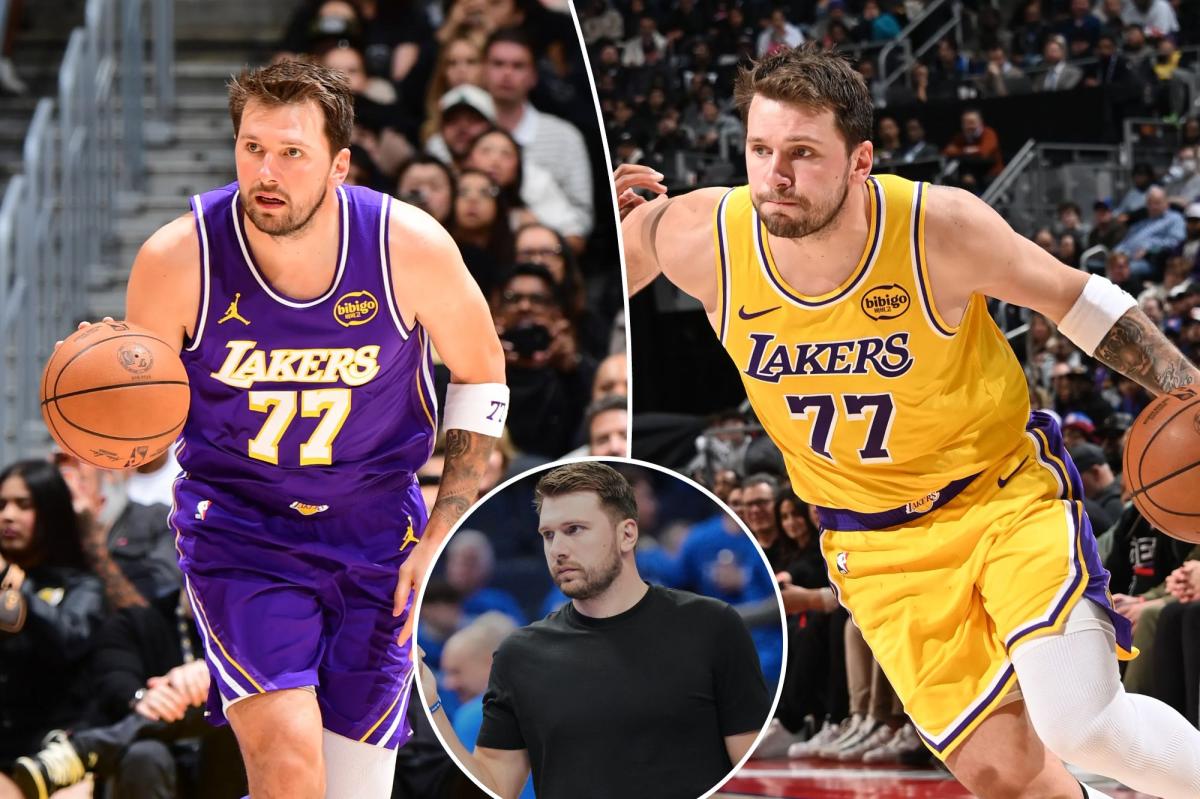
The confirmed absence of Luka Dončić for the initial phase of the Western Conference Semifinals creates a profound operational deficit for the Dallas Mavericks. As the league’s primary offensive engine remains sidelined with a Grade 2 left hamstring strain, the franchise must navigate a high-stakes series against the Oklahoma City Thunder through a lens of extreme tactical volatility.
Pathophysiology and Recovery Benchmarks
A Grade 2 classification denotes a partial thickness tear of the hamstring fibers, requiring a rigorous rehabilitation protocol to mitigate the risk of chronic structural degradation. The transition from a standard six-week window to a projected eight-week timeline indicates a complex physiological recovery. Current clinical milestones—limited to stationary shooting without high-velocity lateral movement or 5-on-5 contact—suggest Dončić has not yet cleared the neuromuscular benchmarks essential for postseason intensity.
For the Mavericks’ medical staff, the ‘slow path’ approach represents a calculated effort in asset preservation. Prioritizing long-term functional integrity over immediate competitive utility is a necessity when managing high-usage superstars prone to reinjury upon premature return to maximum loading.
Strategic Asymmetry and Usage Redistribution
The absence of Dončić forces a drastic redistribution of offensive usage rates. Deprived of their primary facilitator, the Mavericks must pivot toward a more decentralized system, placing immense pressure on the secondary rotation to replicate elite-level shot creation. This creates a strategic asymmetry against a top-seeded Oklahoma City defense that thrives on exploiting personnel inconsistencies.
While the Thunder manage their own injury constraints with Jalen Williams (Grade 1 strain), the disparity in role gravity favors OKC. Replacing Dončić’s historic scoring and playmaking volume is statistically improbable, forcing the coaching staff into defensive-heavy schemes to suppress the Thunder’s pace-and-space efficiency.
Institutional Information Control and Market Impact
The Mavericks’ lack of specific timelines reflects a broader trend of postseason information management. By maintaining a non-committal stance, the organization attempts to force the Thunder into preparing for multiple offensive contingencies, even as betting markets and performance models increasingly discount a near-term return.
Beyond the court, the absence of a marquee athlete significantly alters the series’ economic valuation. Broadcast partners and stakeholders rely on ‘superstar gravity’ to drive viewership; a Dončić-less series shifts the narrative from individual brilliance to collective survival. This shift is mirrored in the analytical community, where the Mavericks’ championship probability has been recalibrated to account for the loss of their most critical high-leverage playmaker.
Conclusion: The High-Stakes Calculus
As the series progresses, the tension between medical caution and competitive urgency will escalate. The Mavericks’ adherence to a conservative loading protocol suggests an organizational commitment to best practices, despite the looming threat of an early exit. Ultimately, the outcome of this series will serve as a definitive case study in the precarious nature of championship windows built upon the health of a single, high-usage cornerstone.