Strategic Expansion and the Portland Fire Legacy
The re-entry of the Portland Fire into the WNBA, following a 24-year absence since the franchise’s 2002 dissolution, signifies a pivot toward sustainable market reclamation. By pairing Portland with the Toronto Tempo, the WNBA is scaling its geographical footprint, transforming from a league of scarcity to one of calculated, demand-driven expansion.
Institutional Maturity and Talent Pipelines
Institutional memory serves as a ballast for this growth. The involvement of Tully Bevilaqua—an original Fire player turned Indiana Fever staffer—exemplifies the league’s professionalization of internal talent pipelines. Her transition from court-level experience to advanced video coordination and scouting demonstrates how the WNBA has modernized its intellectual infrastructure to stabilize team performance.
Competitive Parity and Data-Driven Preparation
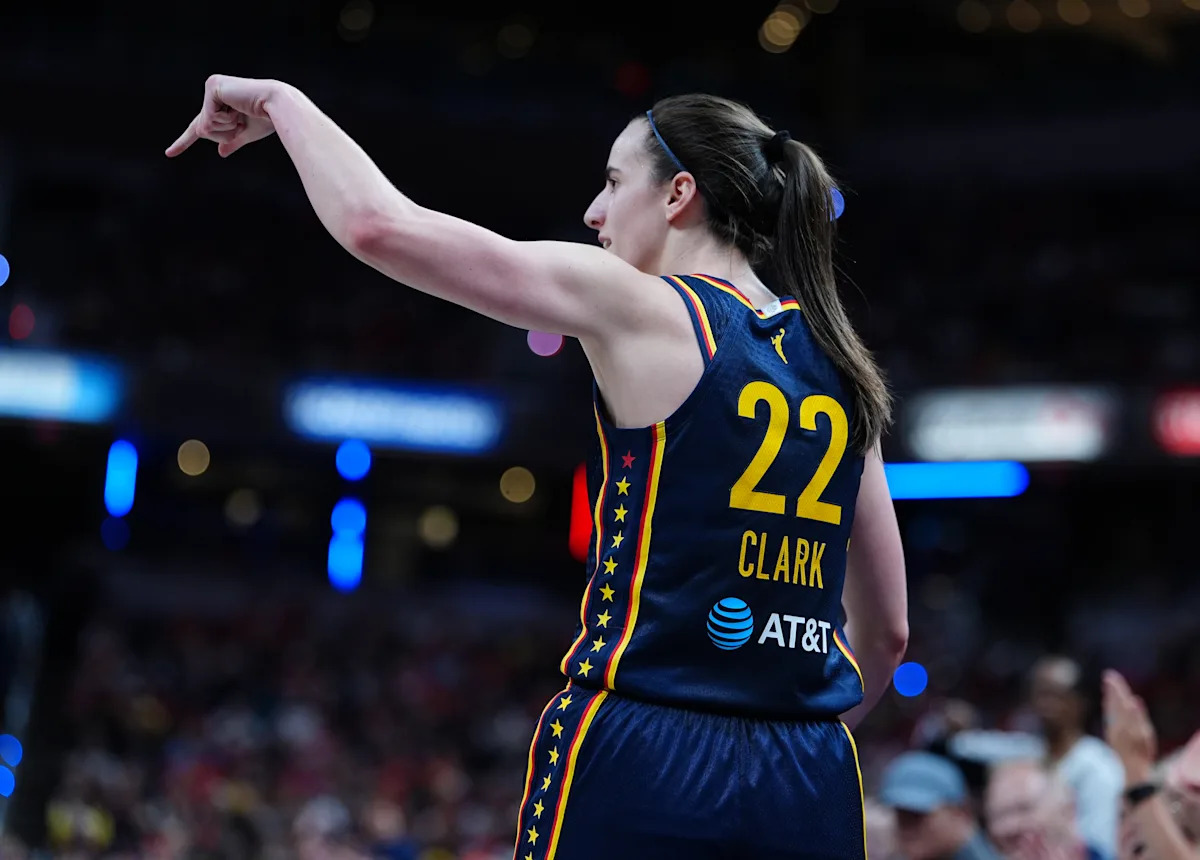
The upcoming Fever-Fire matchup serves as a diagnostic metric for competitive balance. With both teams navigating early-season adjustments—highlighted by Aliyah Boston’s return to the Fever rotation—the game highlights the increased reliance on granular performance data. Unlike the rudimentary scouting of the early 2000s, modern technical staffs utilize video integration to calibrate defensive and offensive schemes, directly impacting league-wide competitive parity.
Financial Scaling and Market Valuation
WNBA expansion is fundamentally an asset-diversification strategy. Market positioning, evidenced by betting spreads like the Fever’s -13.5 handicap, reflects a broader confidence in the league’s economic durability. By penetrating new regional markets, the league mitigates historical regional dependencies, optimizing its valuation for future media rights negotiations and institutional sponsorships.
Sustainability in an Evolving Landscape
The shift from existential uncertainty to long-term permanence is the defining narrative of the contemporary WNBA. Success for the new Portland franchise depends on fostering deep-rooted community engagement while maintaining the rigorous administrative standards that support modern professional sports ecosystems.