Institutional Erosion and the Consolidation of Executive Prerogative
In a 51-47 procedural vote, the United States Senate reinforced the executive branch’s discretionary authority over military engagement in the Caribbean by blocking a War Powers resolution. The Republican-led majority utilized a point of order to stall the Democratic-led effort, which sought to mandate congressional authorization prior to any kinetic intervention in Cuba. This legislative maneuvers underscores a growing institutional preference for ‘strategic ambiguity’ over constitutional constraints, effectively abdicating the Senate’s Article I war-making responsibilities in favor of uninhibited Article II executive flexibility.
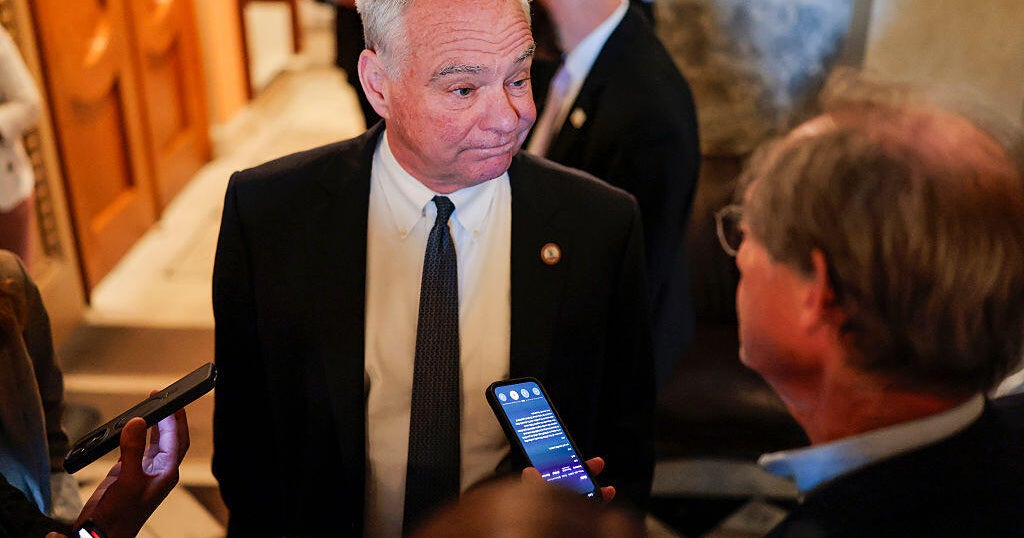
The debate centered on whether preemptive legislative barriers are necessary to prevent unilateral escalations. Proponents, led by Senator Tim Kaine, argued that current U.S. posture—specifically the energy blockade—approaches the threshold of open hostility. Opponents, notably Senator Rick Scott, dismissed the resolution as ‘moot,’ arguing that the absence of active combat renders such restrictions unnecessary. This binary reflects a deeper systemic shift where the ‘state of war’ is increasingly defined by executive determination rather than legislative consensus, leaving the threshold for intervention subjective and opaque.
The Energy Blockade as a Precursor to Kinetic Conflict
The legislative deadlock occurs against the backdrop of an intensifying energy blockade, which critics argue functions as a form of non-kinetic warfare. Senator Kaine’s characterization of this policy as an ‘act of war’ highlights the blurring lines between economic sanctions and military aggression. By targeting Cuba’s infrastructure and resource supply chains, the administration exerts systemic pressure intended to induce internal collapse. The Senate’s refusal to curb military options ensures that this economic leverage remains backed by a credible, if currently dormant, threat of force.
This coercive strategy relies on the administration’s ability to project power without immediate legislative friction. By maintaining the military option, the executive branch uses the specter of intervention to enforce diplomatic and economic compliance. The failure of the resolution validates this multi-faceted pressure campaign, signaling that the U.S. government views the potential for military escalation as a legitimate component of its broader regional containment strategy.
Geopolitical Isolation and the Multi-Polar Challenge
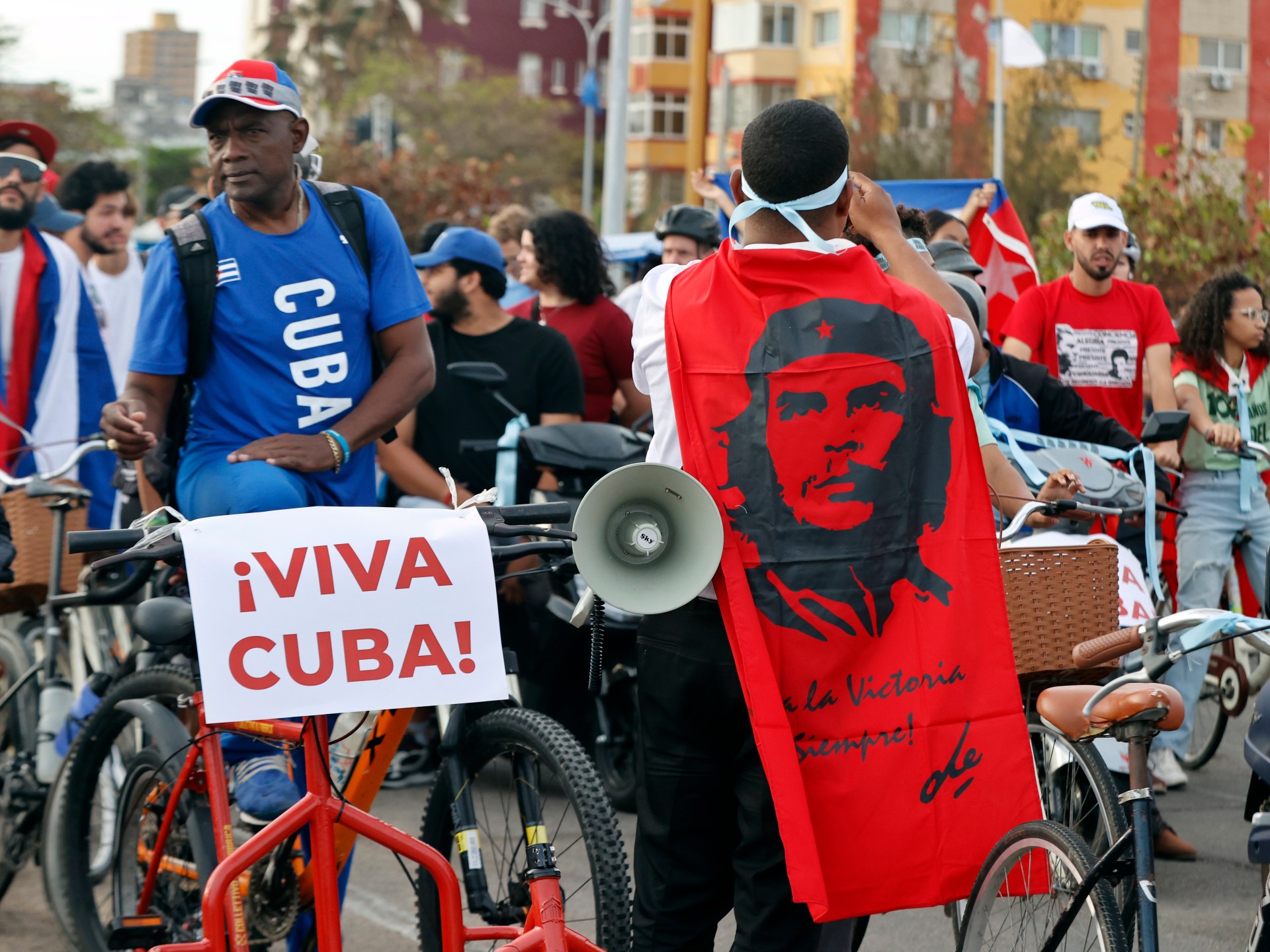
The Senate’s decision has intensified diplomatic friction with key allies and regional partners. Spain, Mexico, and Brazil have formally advocated for Cuban sovereignty, viewing U.S. unilateralism as a destabilizing force in the Western Hemisphere. Spain’s vocal opposition is particularly significant, as it reflects a transatlantic divergence over the legality and ethics of the energy blockade. This international pushback suggests that any move toward military intervention would result in significant diplomatic isolation for the United States, challenging the long-standing Monroe Doctrine framework.
Furthermore, regional realignments—such as the recent diplomatic engagement between Colombia’s President Petro and Venezuela’s leadership—indicate a shift toward an assertive Latin American bloc. These nations are increasingly resistant to U.S.-led isolation efforts, viewing them as relics of Cold War interventionism. The Senate’s move to preserve military flexibility thus occurs in a geopolitical environment where U.S. influence is being actively contested by newly emboldened regional actors seeking to safeguard collective sovereignty.
Domestic Electoral Incentives and the Florida Factor
Domestic political calculus, particularly the influence of Florida’s electorate, continues to dictate the parameters of U.S.-Cuba policy. Senator Rick Scott’s leadership in blocking the resolution reflects the high stakes of Florida’s internal politics, where a ‘maximum pressure’ stance is often a prerequisite for electoral viability. By framing legislative oversight as a sign of weakness, hardline representatives ensure that foreign policy remains a tool for domestic signaling. This feedback loop incentivizes perpetual confrontation, as the political costs of de-escalation far outweigh the institutional benefits of reasserting congressional authority.
Ultimately, the Senate’s action signals a durable consensus on the expansion of the imperial presidency. By referencing previous unilateral actions in Iran and Venezuela, proponents of the resolution sought to prevent a repeat of executive overreach; however, the majority’s defense of the status quo suggests that the executive branch now holds near-total control over the initiation of conflict. This transition from legislative deliberation to executive decree marks a fundamental recalibration of the American balance of power, with significant long-term implications for global stability.