I. Mechanical Failure Modes and Structural Vulnerability
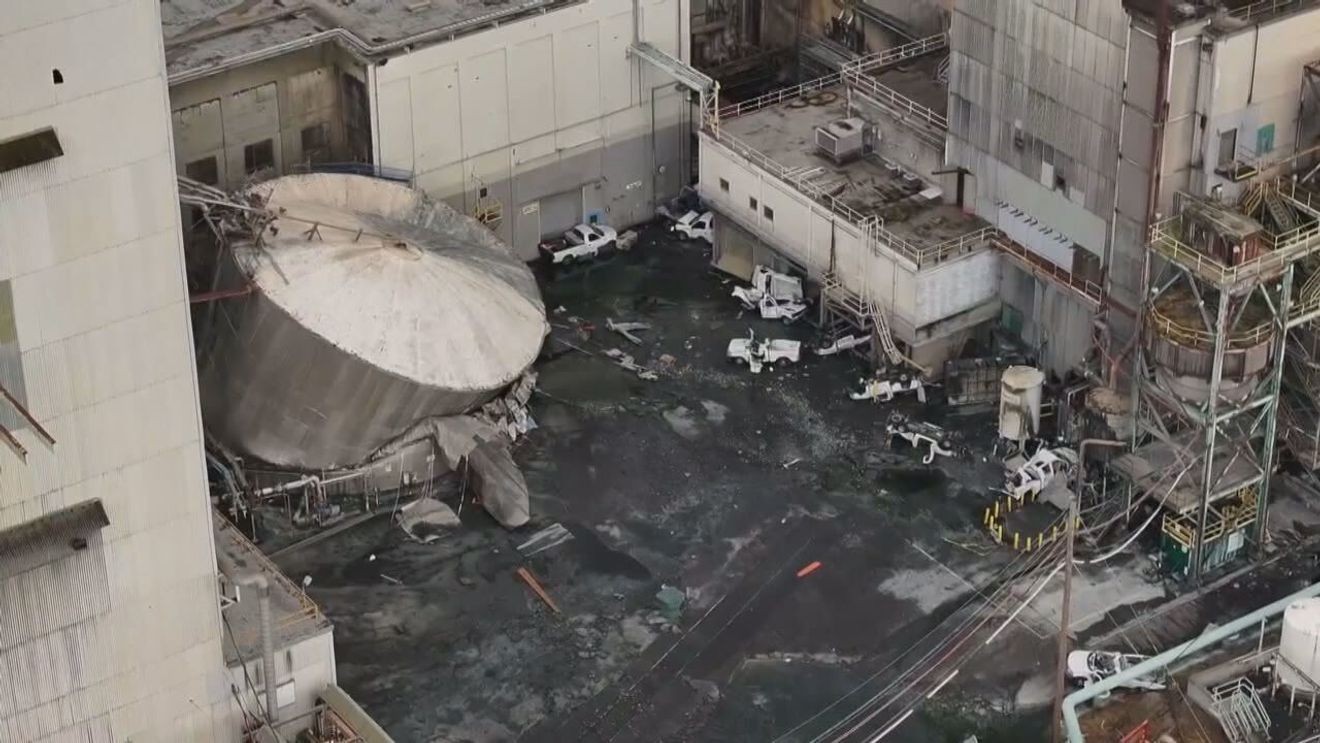
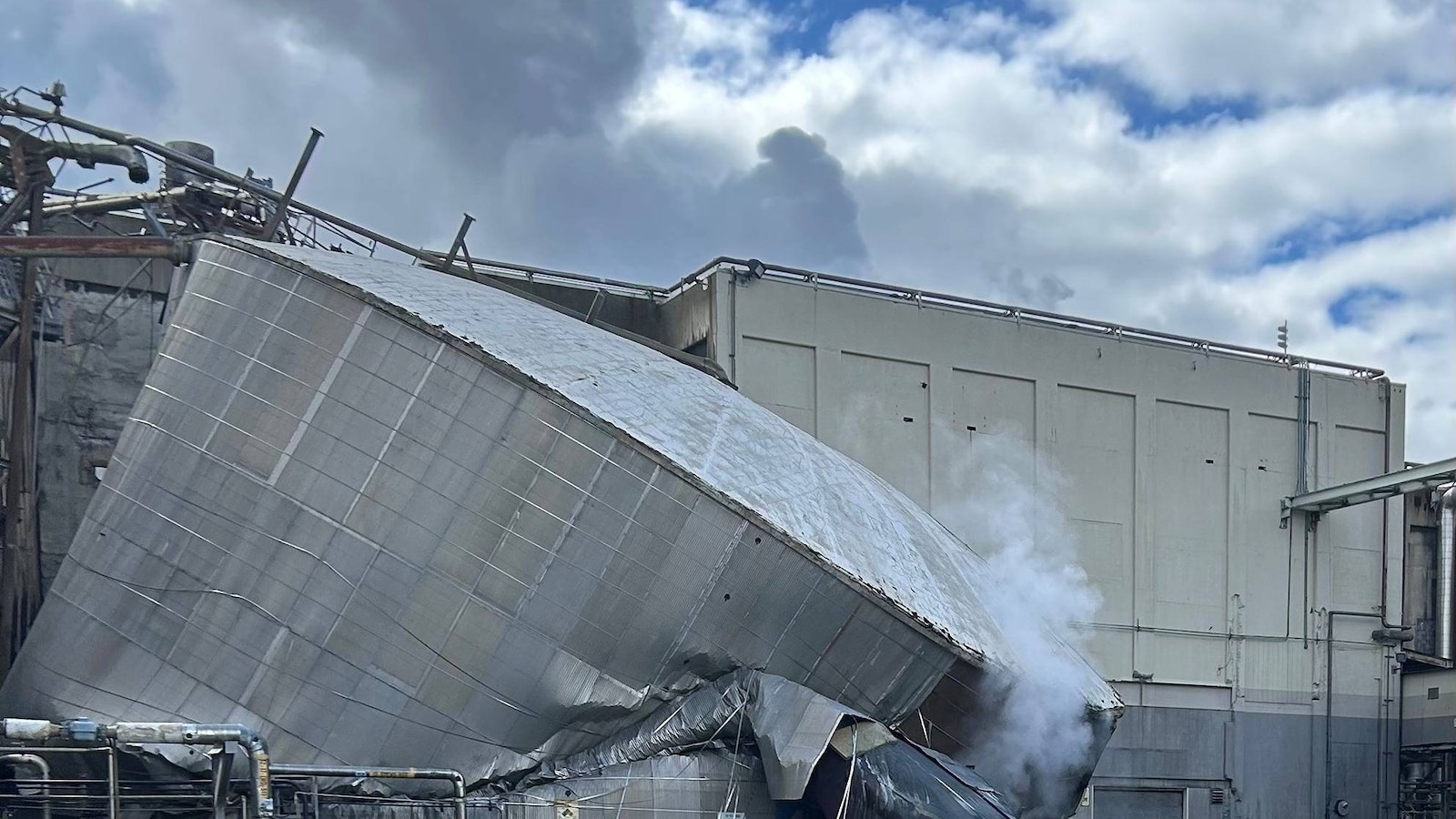
The catastrophic compromise of a 900,000-gallon chemical storage vessel at the Nippon Dynawave Packaging facility in Longview, Washington, serves as a focal point for analyzing industrial risk management. The event involved a massive release of ‘white liquor’—a highly caustic alkaline solution utilized in the kraft pulping process. Technical evidence suggests a complex failure mode; the description of the event as an ‘implosion-rupture’ implies a vacuum-related structural collapse or a rapid pressure differential that overwhelmed the tank’s engineering tolerances. This breach suggests that primary and secondary containment measures were insufficient to mitigate the kinetic energy of the failure, leading to the designation of this incident as the deadliest industrial tragedy in modern Washington history by Governor Bob Ferguson.
II. Temporal Intersection and Personnel Risk Distribution
Strategically, the timing of the rupture at 7:15 a.m. on Tuesday, May 26, compounded the human toll. The event occurred during a critical shift transition, a period characterized by high personnel density in non-operational zones. The location of the breach near an employee breakroom underscores a significant flaw in facility spatial planning, where high-occupancy areas were positioned within the immediate blast or spill radius of high-risk chemical storage. With eight confirmed fatalities and three individuals presumed dead, this incident highlights the necessity for re-evaluating risk distribution models that account for both mechanical failure and shift-change logistics.
III. HAZMAT Logistics and Environmental Remediation
Recovery operations led by the Longview Fire Department remain constrained by the hazardous environment at the 3401 Industrial Way site. Longview Fire Chief Brad Hannig noted that the corrosive nature of the white liquor necessitates rigorous decontamination protocols, slowing the forensic and recovery process. Beyond the facility perimeter, the detection of chemical runoff in the Columbia River introduces profound environmental liability. As a vital waterway for regional commerce and ecology, any chemical introduction triggers federal oversight. The long-term remediation costs and potential Clean Water Act litigations represent a significant financial overhang for the facility’s stakeholders.
IV. Industry-Wide Strategic Implications
The Nippon Dynawave failure serves as a catalyst for the pulp and paper industry to accelerate capital expenditure on aging infrastructure. The total loss of a primary chemical processing unit represents more than just asset impairment; it is a systemic disruption of the production cycle. For competitors and similar facilities, the incident mandates a pivot toward proactive vacuum-relief system audits and structural integrity monitoring. Institutional scrutiny will likely result in more stringent OSHA and state regulatory requirements for tank inspections and spill prevention, control, and countermeasure (SPCC) frameworks.
V. Economic Consequences and Community Resilience
The socio-economic impact on Longview—a community of 38,000 where the mill serves as a primary economic anchor—is immense. The loss of skilled human capital, combined with a prolonged operational shutdown, threatens local tax bases and support industries. While the immediate focus remains on recovery, the long-term viability of Nippon Dynawave depends on its capacity to navigate massive insurance liabilities, credit risk re-evaluations, and the extensive costs of facility modernization. This disaster marks a turning point in industrial governance, highlighting that the cost of infrastructure neglect far exceeds the investment in safety-centric engineering.