
Transit Infrastructure Adjustments for Mass Stadium Events
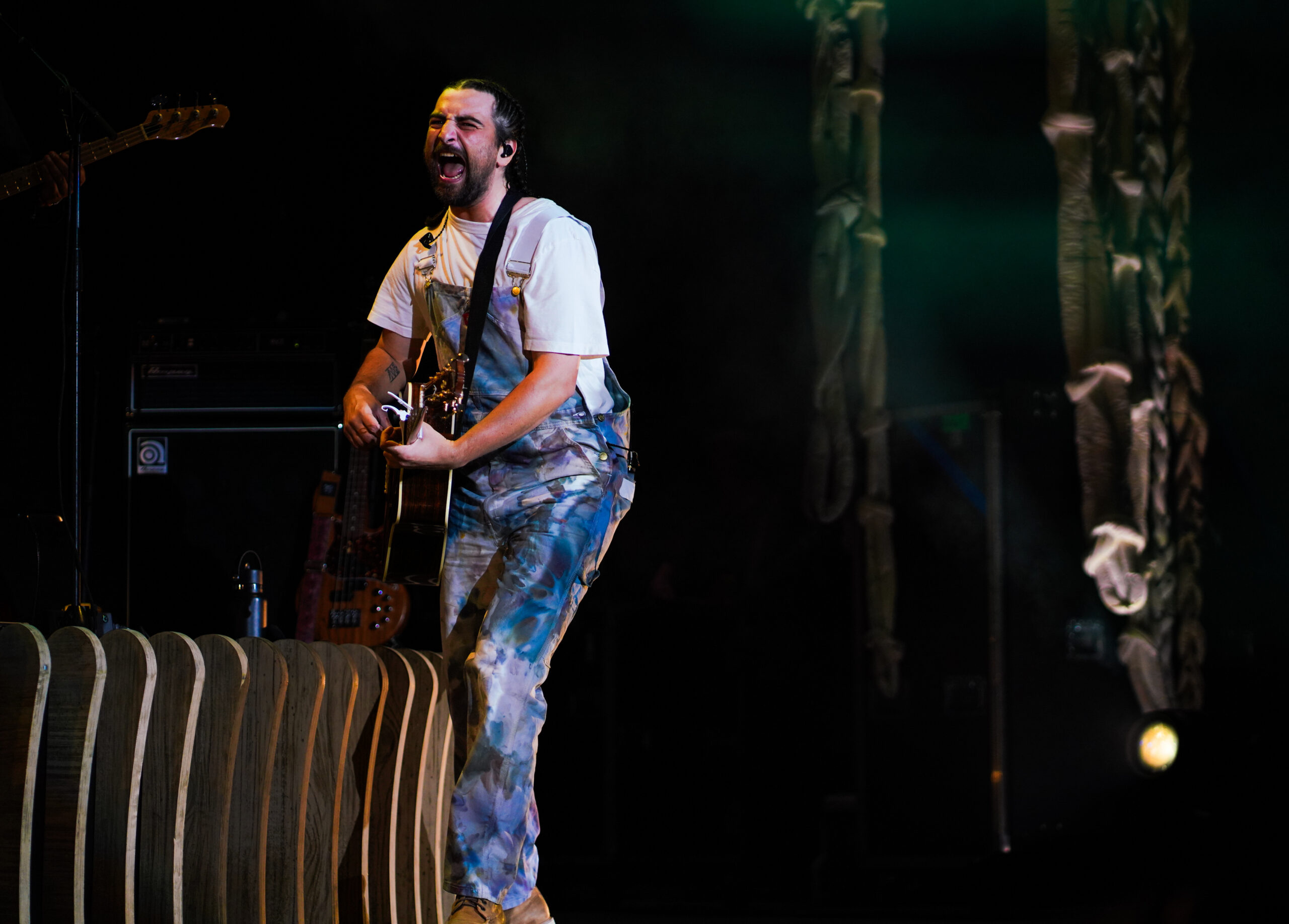
Denver’s Regional Transportation District (RTD) has deployed operational capacity enhancements across its regional rail network to absorb massive crowd movements for Noah Kahan’s sold-out Great Divide tour at Coors Field. Hosting over 100,000 combined attendees across consecutive evenings creates peak travel demand comparable to major athletic events. To prevent severe central business district gridlock, transit managers are utilizing targeted high-capacity light-rail deployments as the core mechanism for urban crowd dispersion.
Targeted Rail Asset Allocation Across Metro Corridors
RTD’s strategy prioritizes physical train car expansion over timetable modifications. By appending extra cars to active trains on the C, E, N, and W light-rail lines, the agency increases per-trip passenger throughput without altering published departure frequencies. This structural scaling maintains timetable predictability for daily commuters while accommodating suburban origin-destination surges during pre-show arrival and post-concert egress windows.
Denver Union Station as the Primary Multimodal Node
Located half a mile from Coors Field, Denver Union Station functions as the central distribution hub for concertgoers. Seven converging corridors—the A, B, C, E, G, N, and W lines—feed directly into this focal point, consolidating multi-directional transit flows into a dedicated pedestrian corridor. The 0.5-mile walk acts as a critical spatial buffer, staggering gate arrivals during entry and enabling controlled dispersal along downtown walkways following performance conclusions.
Bus Network Integration and Multi-Modal Redundancy
To complement fixed-rail operations, RTD has integrated regional and local bus routes into its urban surge strategy. Express lines 120X and RX offer direct suburban transfers that bypass local city stops, accelerating egress times. Simultaneously, local routes 38, 52, and 8 manage short-range intra-city travel. Distributing volume across both surface bus corridors and heavy light-rail channels mitigates single-point platform congestion and protects network stability against localized disruptions.
Digital Demand Management and Infrastructure Impacts
System operators rely on real-time information architectures to steer crowd behavior dynamic. Passengers are advised to leverage the MyRide mobile application and digital service alert platforms for live arrival updates, platform assignments, and travel delay notifications. By providing transparent transit telemetry, RTD actively regulates physical platform density. Long-term data captured from these high-density events—including boarding metrics and app usage—informs future resource allocation models for major stadium entertainment logistics.