Tactical Evolution and Institutional Impact: The Jack Adams Finalists
The selection of Lindy Ruff, Jon Cooper, and Dan Muse as Jack Adams Award finalists marks a shift in the NHL Broadcasters’ Association’s evaluative criteria. Beyond aggregate win-loss records, this year’s finalists are distinguished by their ability to navigate high-density competitive environments and execute structural organizational turnarounds. The award serves as a primary barometer for measuring coaching leverage within the modern salary-cap era.
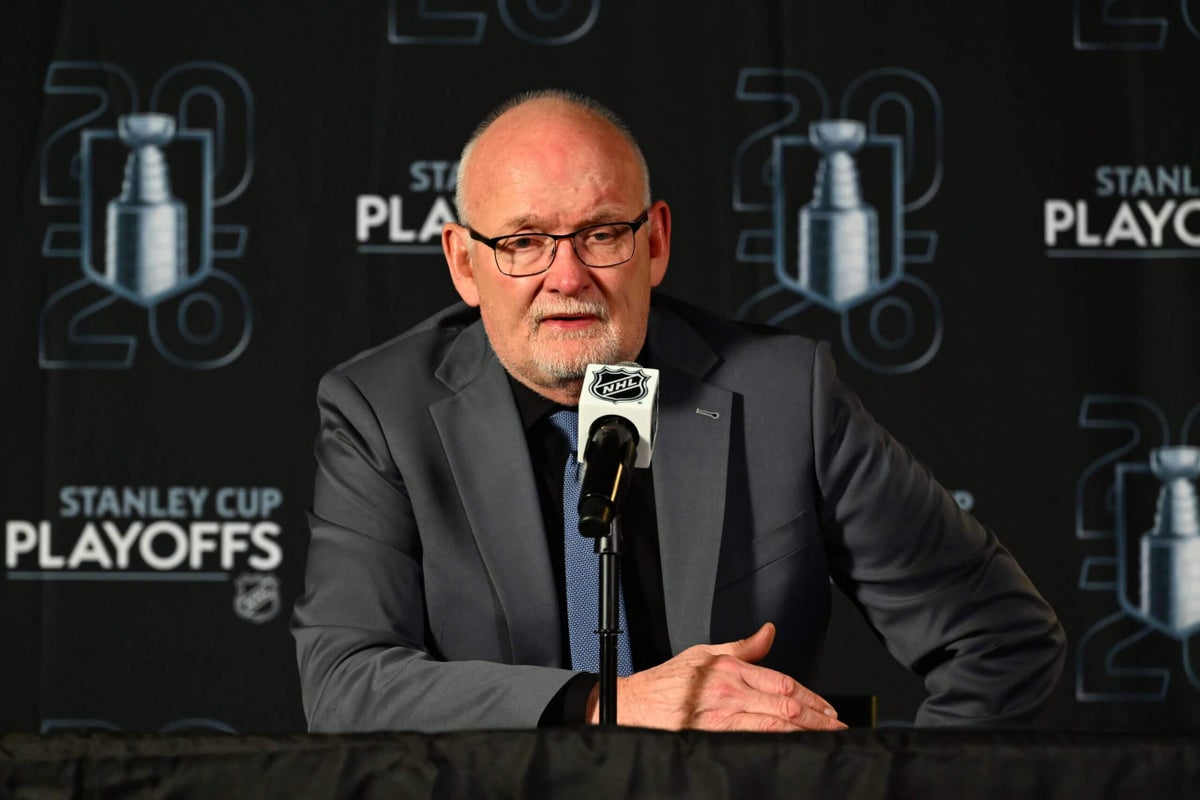
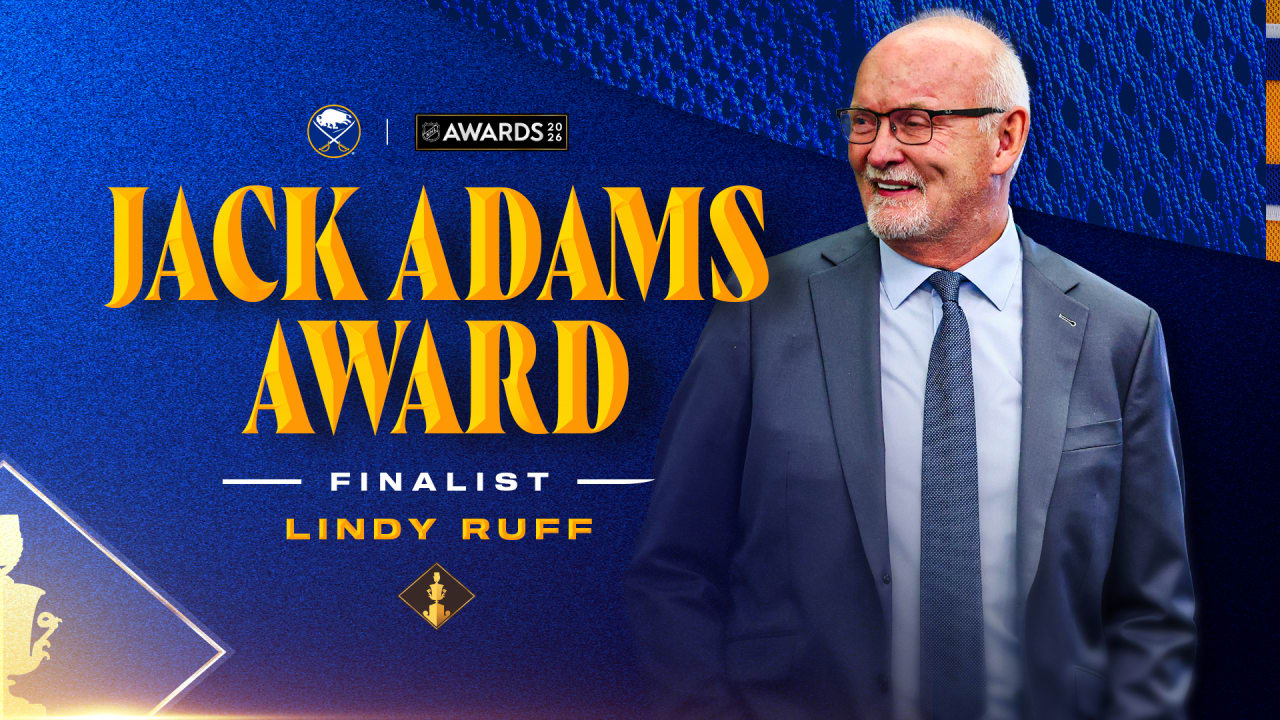
Lindy Ruff: Structural Restoration of the Buffalo Sabres
Lindy Ruff’s nomination is predicated on the termination of a 12-year postseason drought, a milestone that re-establishes the Buffalo Sabres’ operational elite status. By securing 109 points—the fifth-highest in franchise history—and an Atlantic Division title, Ruff transitioned the organization from a perpetual rebuild into a high-leverage contender. His tactical system optimized a young roster, enabling them to thrive in a division that produced five playoff teams.
Ruff’s historical trajectory provides a rare case study in coaching longevity. Having previously won the Jack Adams with Buffalo in 2005-06, his return to the finalist circle two decades later underscores his adaptability. Statistically, Ruff’s 50-win season demonstrates a superior level of game management, placing him on the threshold of joining an elite tier of multi-time winners like Scotty Bowman and Pat Burns.
Jon Cooper: The Benchmark of Operational Stability
Jon Cooper’s candidacy reinforces the strategic value of continuity. As the NHL’s longest-tenured head coach, Cooper has transformed the Tampa Bay Lightning into a model of institutional stability, securing a ninth consecutive playoff berth. His ability to retool a veteran roster to achieve another 50-win season—and a second-place finish in the Atlantic Division—highlights a sophisticated approach to preventing system stagnation.
The ‘Cooper Paradox’ remains a central theme in award voting: the tendency to overlook sustained excellence in favor of dramatic year-over-year turnarounds. However, his nomination suggests a recalibration by the voting body, recognizing that maintaining a championship-caliber window in a cap-constrained environment requires constant tactical evolution. His leadership serves as a buffer against the league’s typical high-turnover volatility.
Dan Muse: Tactical Optimization and Offensive Leverage
In his inaugural season with the Pittsburgh Penguins, Dan Muse defied preseason projections by securing a second-place finish in the Metropolitan Division. Muse’s impact is defined by offensive optimization; the Penguins finished third in league scoring, driven by a high-tempo transition system. His background in developmental and collegiate ranks provided a fresh tactical perspective that maximized the output of a veteran-heavy core.
By disrupting the Metropolitan Division’s traditionally defensive paradigm, Muse proved that transition-based pressure could mitigate the risks associated with an aging roster. His success highlights the impact of fresh leadership on stagnant franchises, providing a blueprint for competitive relevance without a full-scale rebuild.
Conclusion: Institutional and Strategic Implications
The 2022-23 finalist pool represents three distinct coaching philosophies: historical restoration, operational stability, and tactical innovation. These nominations influence league-wide hiring trends, emphasizing that coaching impact is measured by how effectively a leader can leverage their specific roster against divisional density. For the franchises involved, these nods validate front-office strategies and enhance long-term market positioning.