
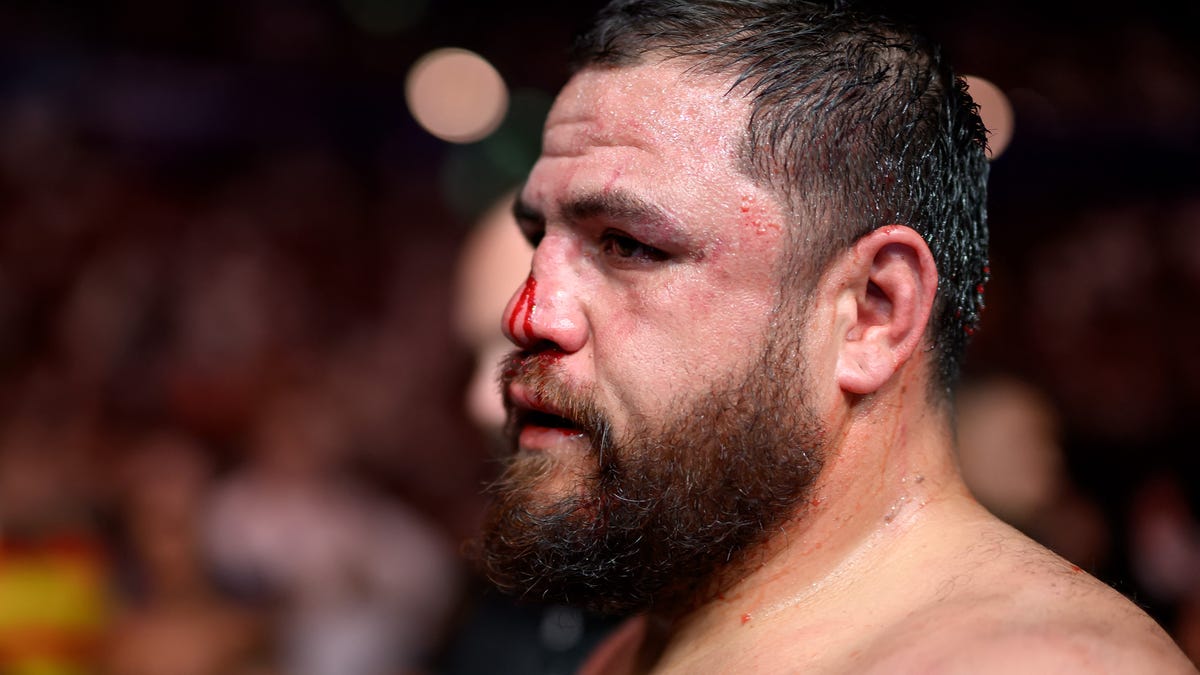
The Strategic Imperative at RAC Arena
The upcoming UFC Fight Night at Perth’s RAC Arena represents a defining juncture for heavyweight Tai Tuivasa. Mired in a six-fight losing streak, Tuivasa’s tenure with the promotion is undergoing institutional scrutiny. Following the late-notice cancellation of his original bout due to Sean Sharaf’s injury, the transition to facing Louie Sutherland underscores the UFC’s reliance on established fan favorites to maintain event viability.
Roster Management and Institutional Leverage
Tuivasa’s trajectory illustrates the tension between performance meritocracy and commercial sustainability. In the UFC’s high-stakes ecosystem, an athlete’s ‘star power’—the ability to drive viewership and ticket sales—acts as a form of institutional leverage. While a string of losses typically triggers roster termination, the promotion often retains athletes who sustain market interest. However, Tuivasa’s candid admission regarding his professional threshold highlights the diminishing returns of this model when competitive parity is significantly compromised.
Heavyweight Variance and Tactical Evaluation
The heavyweight division is inherently volatile, where single-strike outcomes often obscure underlying performance decay. Having shifted from a dominant five-fight knockout streak to a prolonged slump, Tuivasa faces a necessary tactical pivot. For the promotion, the inclusion of Louie Sutherland (0-2 in UFC) functions as a strategic gauge; it provides a ‘sink-or-swim’ scenario that serves to either validate a veteran’s remaining utility or identify a developing talent capable of filling a vacancy in the roster’s depth.
The Commercial Architecture of the Perth Card
The card’s structure, headlined by Carlos Prates and Jack Della Maddalena, emphasizes a pivot toward evolving hierarchies in the welterweight division. The inclusion of high-profile names like Della Maddalena, fresh from his bout against Islam Makhachev, signals an investment in elite-level competition. By layering the Tuivasa-Sutherland fight within this framework, the UFC effectively insulates the event’s commercial appeal against the unpredictability of short-notice injury replacements and performance inconsistencies.
Long-Term Stakeholder Implications
The outcome of this matchup will dictate the trajectory of both parties. For Tuivasa, a victory offers a narrow window for competitive recalibration. Conversely, a loss would likely accelerate his transition toward potential free agency or retirement. Ultimately, this bout serves as a case study in the non-linear nature of elite MMA careers, where the capacity to manage physical attrition and psychological pressure remains as vital as technical skill.

Photo by tixonov_valentin on Pixabay.