Anatomy of a Franchise Crisis
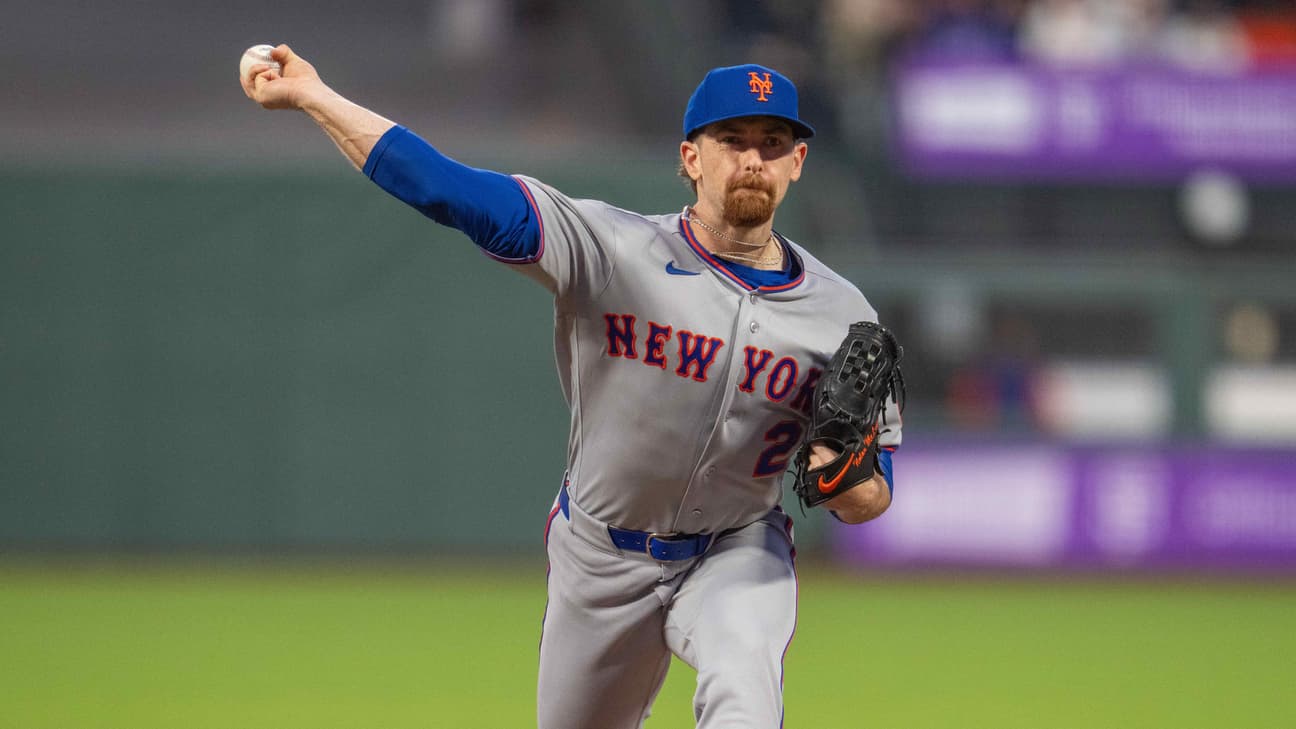
Entering a three-game set against the Los Angeles Angels, the 10-21 New York Mets are experiencing one of their most significant statistical underperformances in franchise history. While the 1962 expansion team suffered similar struggles, the 2026 iteration faces far greater scrutiny due to substantial capital investment and stated postseason objectives. The current chasm between front-office projections and on-field reality represents a failure of institutional alignment.
Operational Disconnect and Front Office Accountability
The 2026 roster reflects a structural flaw in resource allocation. The failure to replace departed core contributors with proven talent has exposed a thin margin for error. Recent late-game losses, such as the 5-4 defeat to the Washington Nationals, demonstrate a systemic inability to execute in high-leverage situations. By failing to account for bullpen volatility, the organization’s talent acquisition strategy has prioritized high-ceiling outcomes over necessary roster stability.
The Financial and Strategic Toll
A 10-21 start jeopardizes brand equity and long-term media revenue viability. The upcoming road trip through Colorado and Arizona acts as a mandatory stress test for leadership. Should the team fail to stabilize, a pivot in management philosophy may become inevitable, as the current trajectory remains fundamentally incompatible with the demands of a high-payroll organization.
Historical Context and Development Risks
Comparing this start to the 8-22-1 1981 campaign highlights the lack of operational agility in the modern era. The reliance on internal development, exemplified by pitcher Christian Scott, has placed immense pressure on unproven assets. Deploying these players in high-leverage roles without adequate veteran support has resulted in compounding mechanical and psychological errors across the pitching staff.
Strategic Implications for the West Coast Swing
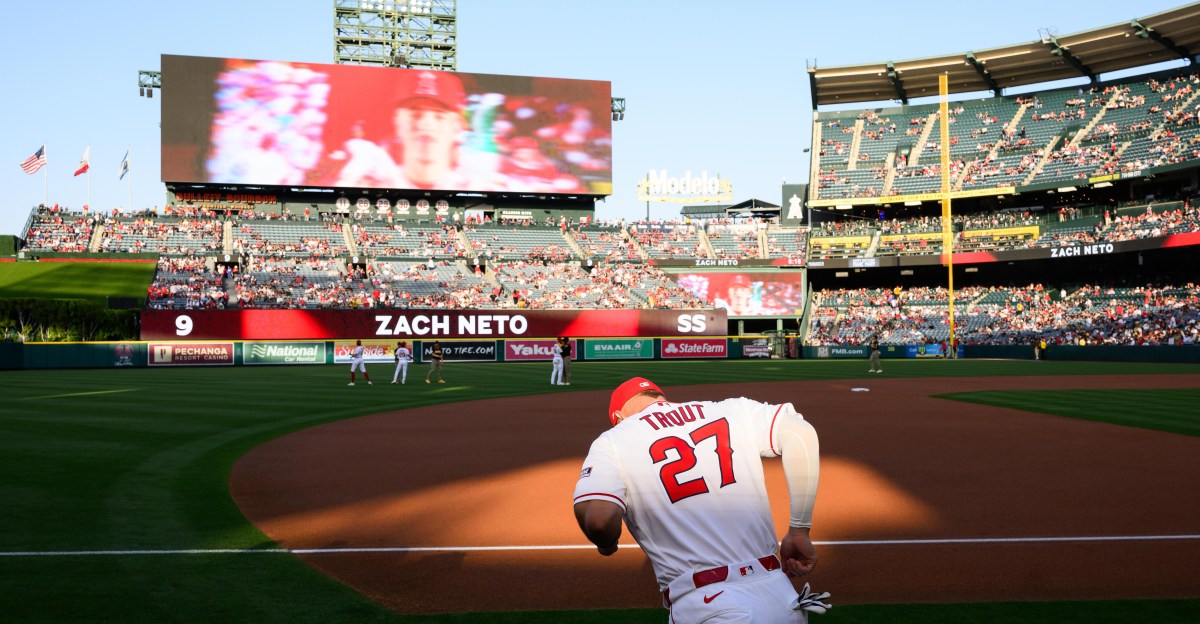
The series against the 12-20 Angels provides a minor psychological reprieve, but it does not mitigate existing roster imbalances. As the trade deadline approaches, the front office must reconcile the need for immediate competitive output with long-term financial health. The reliance on a narrow cohort of high-value players has created an organizational fragility that opposing teams consistently exploit.
Future Outlook
The Anaheim series serves as a litmus test for the club’s adaptability. Whether leadership persists with the current personnel strategy or initiates a fundamental structural pivot will determine the outlook for the remainder of the 2026 season and the long-term viability of the current front office.