Atmospheric Constraints and the Failure of Offensive Adjustments
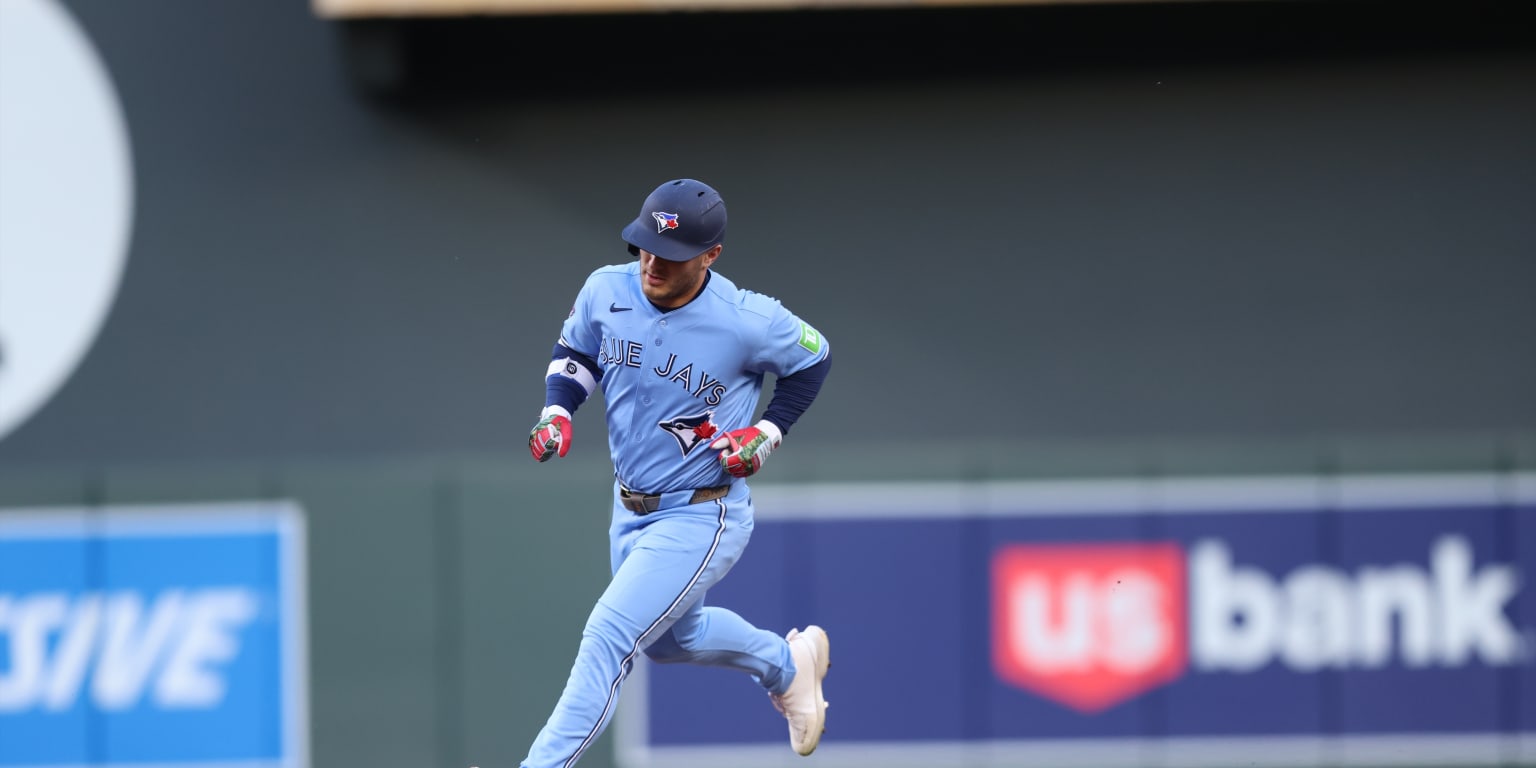
The Minnesota Twins’ 7-1 victory at Target Field was a masterclass in situational exploitation. The Toronto Blue Jays arrived with offensive momentum that was promptly neutralized not by high-velocity power, but by Bailey Ober’s surgical command. Operating in 52-degree weather—a physical constraint that rewards movement over raw speed—Ober’s sub-90 mph arsenal exposed a systemic Toronto vulnerability: an inability to recalibrate timing against high-command, low-velocity profiles.
The Sunk Cost of Veteran Acquisitions: The Corbin Precedent
Patrick Corbin’s presence in the rotation serves as a stark case study in the diminishing marginal returns of high-value pitching contracts. His six-year, $140 million deal, originally inked with Washington, has become a benchmark for financial exposure in MLB. With a career-wide 5.11 ERA and a modest 2.8 WAR during this tenure, Corbin’s current utility for Toronto is tethered to a sinker-slider repertoire that lacks its former authority. This reliance on a high-cost, high-variance veteran places an unsustainable burden on a bullpen already navigating depth issues.
Operational Disruptions: The Catching Hierarchy Crisis
The injury to Alejandro Kirk (fractured left thumb) has created a critical operational bottleneck. While Kirk has initiated a throwing program, the void in game management is palpable. The elevation of 25-year-old Brandon Valenzuela is a calculated gamble on defensive surplus over offensive consistency. While Valenzuela’s 40% caught-stealing rate provides an elite deterrent against the run game, his ‘growing pains’ at the plate represent a significant tactical hurdle for Manager John Schneider as he attempts to stabilize the bottom of the order.
Rotational Fragility vs. Offensive Insulation
Minnesota’s reliance on Simeon Woods Richardson underscores a broader organizational challenge: surviving a 162-game season through rotational attrition. However, the Twins have successfully mitigated this fragility through offensive insulation. Home runs by Ryan Jeffers and Byron Buxton provided the necessary run support to protect a makeshift rotation, illustrating a superior alignment of power hitting and defensive execution that Toronto currently lacks.
Institutional Stability and the Ownership Narrative
The matchup also highlights the long-term impact of ownership quality on franchise health. Drawing parallels to the Portland Trailblazers’ historical struggles, the narrative emphasizes how a lack of postseason success—such as a 14-year drought—can erode a market’s emotional and financial capital. For Toronto and Minnesota, the stakes extend beyond the diamond; roster decisions, from managing $140 million contracts to developing rookie catchers, are direct indicators of a franchise’s strategic viability and commitment to competitive longevity.