Strategic Realignment in the 2026 World Cup
The 2026 FIFA World Cup group stage has entered a decisive phase, with matches on Saturday, June 13, highlighting the intense competitive parity emerging across the expanded tournament field. The multi-nation hosting structure introduces significant logistical variables—specifically travel fatigue and varied climatic conditions—that are forcing teams to prioritize squad depth and rotation as primary tactical assets.
Competitive Parity and Tactical Discipline
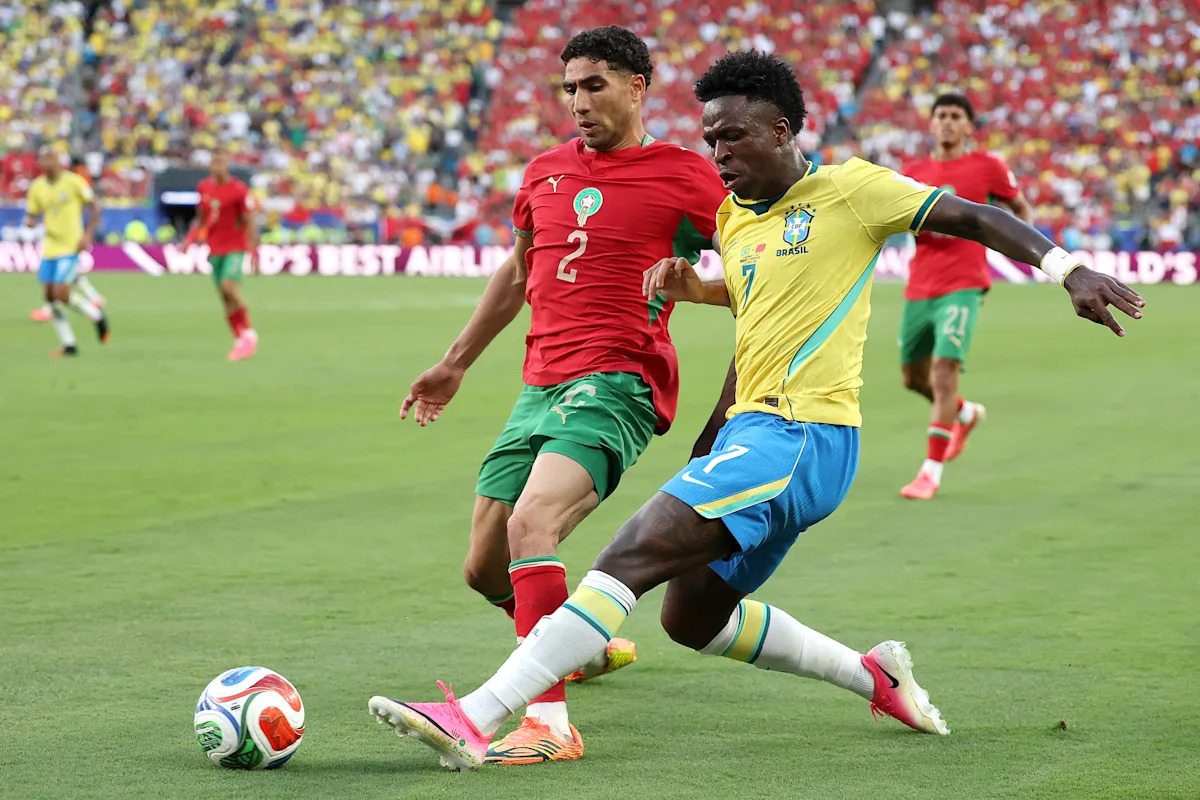
The fixture between Brazil and Morocco represents a collision between historical dominance and modern tactical evolution. Brazil’s reliance on high-ceiling individual talent, such as Vinicius Jr., is currently being tested against increasingly sophisticated defensive blocks. Concurrently, the Switzerland-Qatar match underscored a shifting paradigm: despite Switzerland’s control of possession and superior shot volume, Qatar’s disciplined low-block nullified the Swiss attack, forcing a draw. This result validates the trend that disciplined defensive systems can effectively neutralize higher-ranked opposition.
Logistics and Performance Metrics
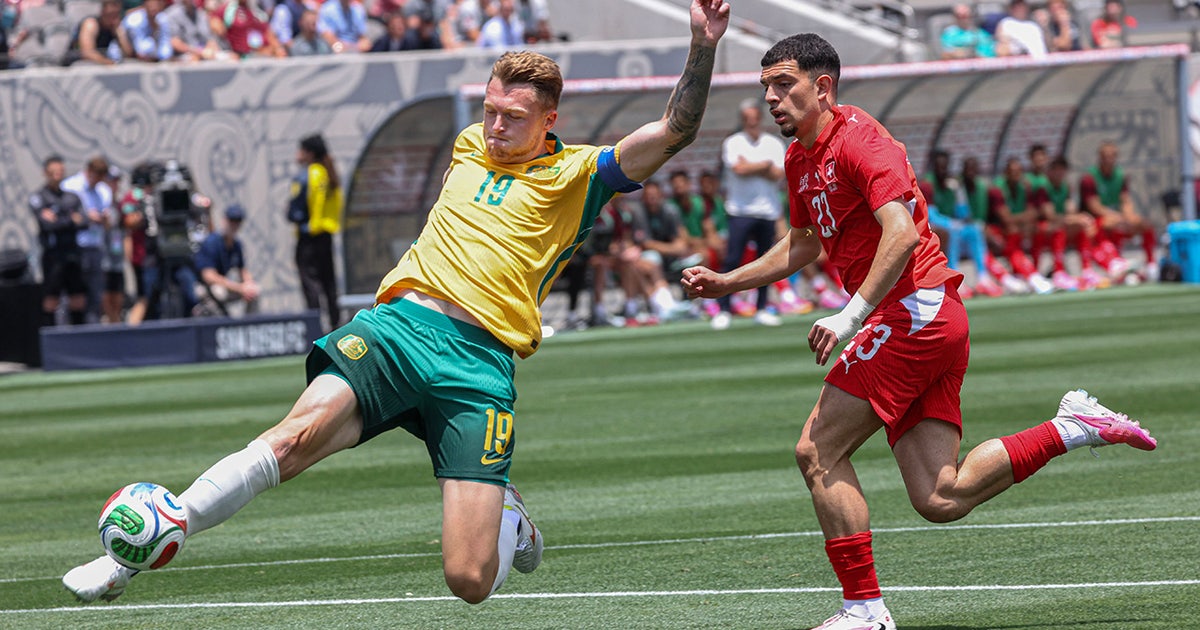
Beyond on-field performance, the tournament’s geographic dispersion across host cities like New York/New Jersey, San Francisco, and Vancouver creates a complex physical demand on players. The USMNT coaching staff is monitoring the tactical interactions of prospective opponents like Australia and Türkiye, whose own adjustments to these travel conditions offer a blueprint for future matchup planning. As the group stage matures, the mathematical imperative to qualify will shift the risk appetite of trailing nations, likely leading to more high-pressing, aggressive offensive strategies.
Broadcasting and Institutional Evolution
The 2026 tournament marks a definitive shift toward a hybrid consumption model. The integration of linear networks (FOX/FS1) with digital-first platforms (FIFA+, Fubo, YouTube TV) ensures comprehensive global reach. This expansion of the broadcast footprint—coupled with extensive multilingual support via platforms like Peacock—reflects a strategic necessity to capitalize on the North American market’s diverse demographics, ensuring that the tournament’s commercial success mirrors its operational expansion.