Infrastructure Scalability and FIFA Operational Benchmarks
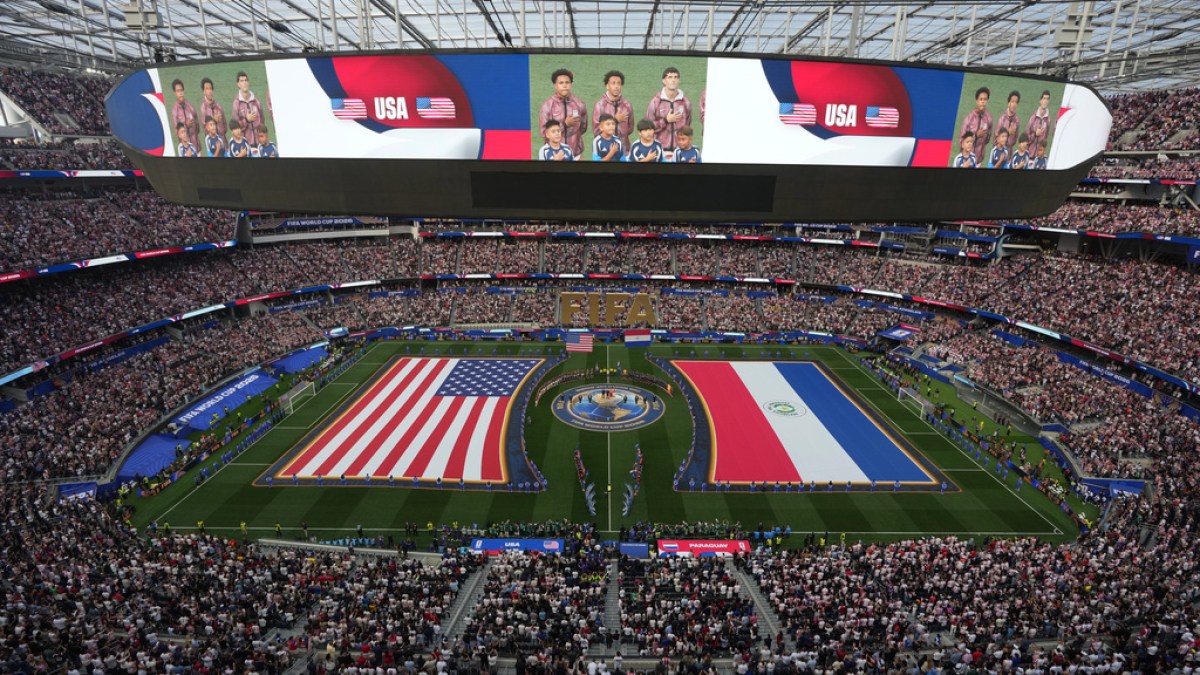
The United States Men’s National Team’s (USMNT) 4-1 victory over Paraguay at Los Angeles Stadium serves as a primary case study for the 2026 World Cup’s expanded logistical framework. This fixture facilitated a rigorous evaluation of domestic infrastructure against FIFA’s stringent international requirements. The temporary rebranding of SoFi Stadium to ‘Los Angeles Stadium’ highlights the administrative complexity of managing commercial naming rights within the FIFA ecosystem, requiring total institutional alignment to ensure compliance with exclusivity contracts.
Operational success at this high-capacity venue validates the adaptability of American sporting infrastructure. While typically optimized for high-frequency NFL events, these stadiums must now pivot to the continuous, high-intensity demands of a month-long international tournament. The seamless integration of local law enforcement and tournament security suggests that previous skepticism regarding the logistical load of a 78-match domestic schedule may be overstated, provided that inter-agency coordination remains a priority.
Economic Signaling and Market Elasticity
Despite the dominant performance on the pitch, the presence of empty seat clusters suggests a friction between tiered ticket pricing and local market accessibility. This discrepancy indicates a potential misalignment in economic signaling; high-value corporate inventory may be outstripping organic demand, creating a visual deficit in stadium saturation. For organizers, reconciling the balance between immediate revenue maximization and the optics of a full-capacity atmosphere is a critical strategic challenge heading into the 104-match tournament cycle.
The 4-1 result provides the USMNT with vital competitive leverage, serving as a financial stabilizer for the tournament’s broader commercial ecosystem. In a host nation where performance directly correlates with secondary market premiums and advertising valuations, this early victory mitigates the risk of domestic viewership attrition. This success functions as a catalyst for the hospitality and retail sectors, converting sporting momentum into measurable capital movement.
Media Framing and Socio-Political Narratives
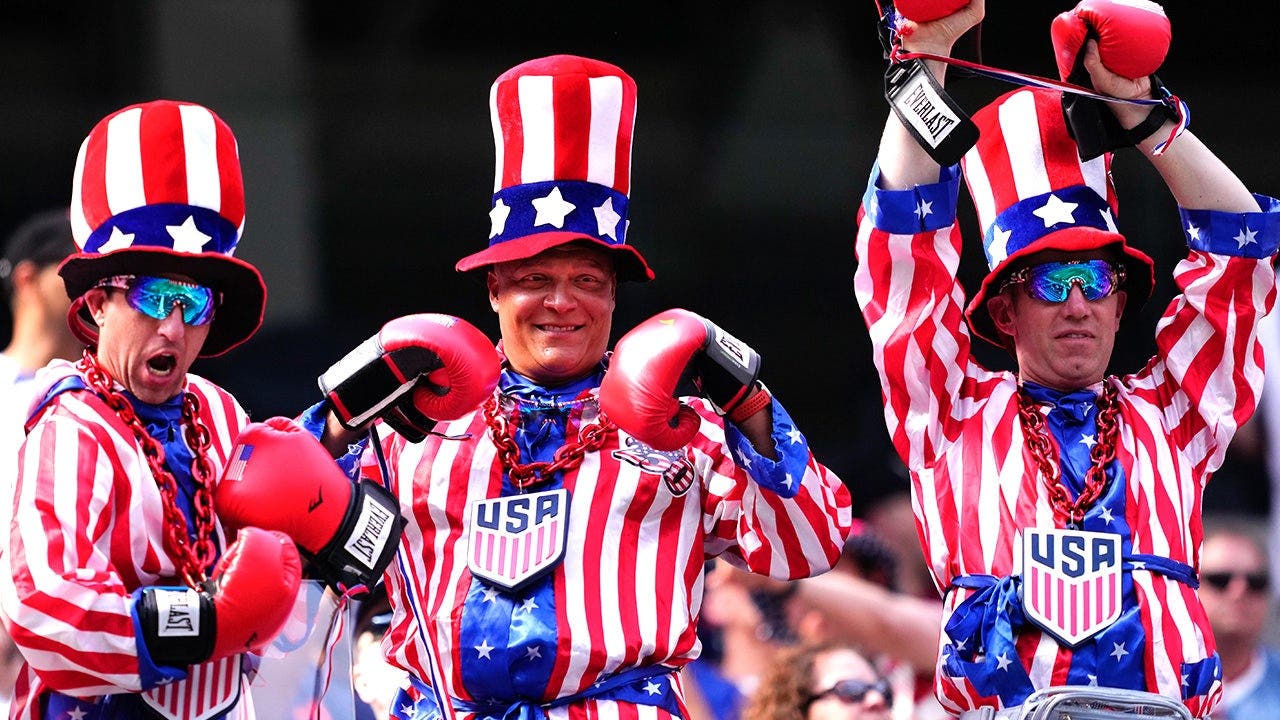
The commercialization of ‘patriotic maximalism’—evidenced by the curated red, white, and blue fan aesthetics—reflects a sophisticated branding effort by domestic media partners. This cultural alignment is engineered to convert casual viewers into high-value consumers. However, this domestic enthusiasm faces a counter-narrative in international media framing. Outlets such as Al Jazeera often lens the tournament through the United States’ socio-political challenges, including gun violence and urban sprawl, positioning the World Cup as a battleground for national reputation and organizational competence.
Ultimately, the successful execution of the Paraguay fixture reduces the risk profile for stakeholders, including municipal governments and insurers. The absence of logistical failure in a high-profile hub like Los Angeles provides a stabilizing data point for future host cities in Mexico and Canada. As the tournament progresses toward the knockout stages, the sustainability of this model will depend on maintaining regulatory integrity across diverse geographic and political landscapes.