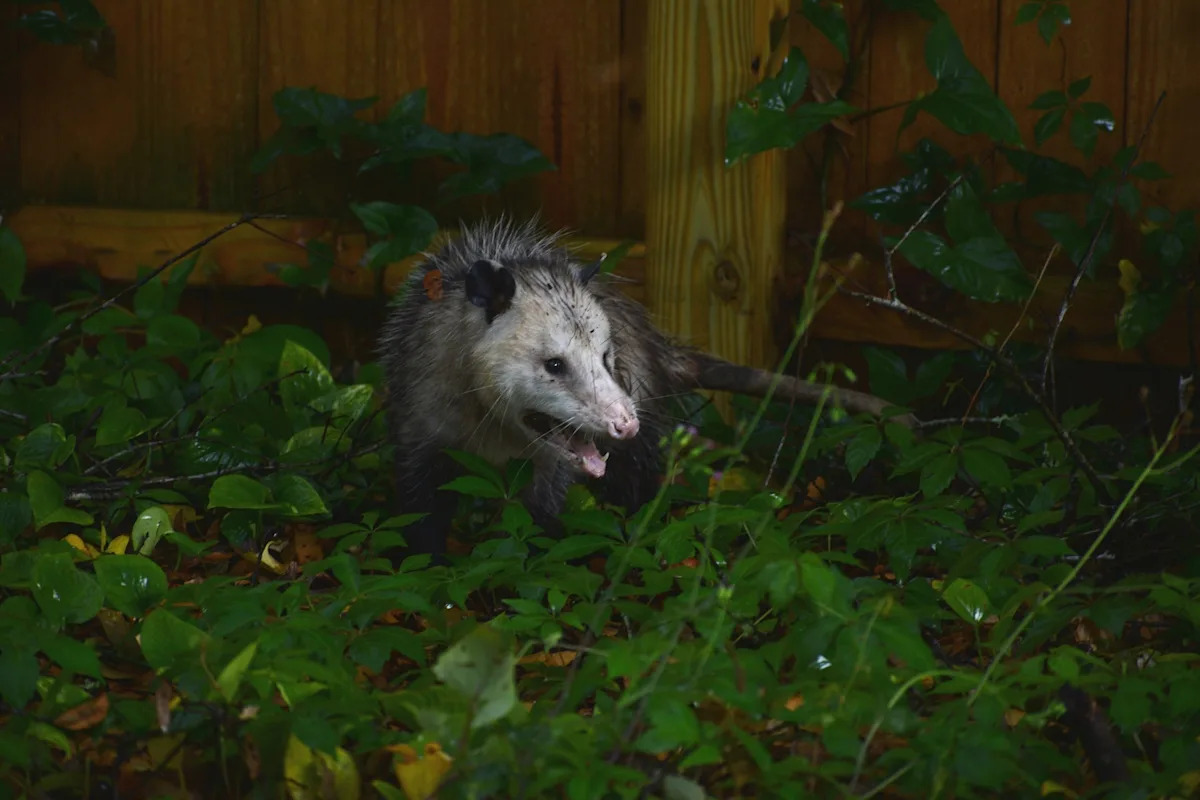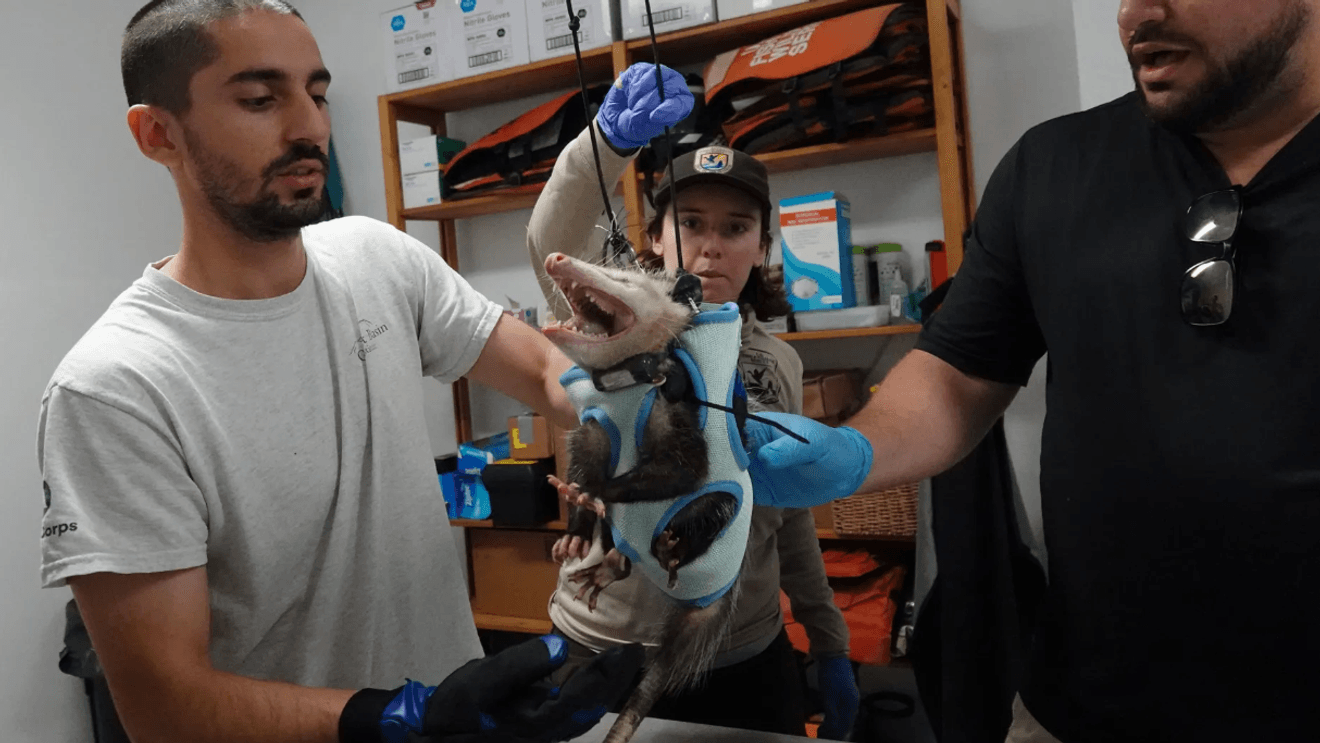
The management of invasive Burmese pythons (Python bivittatus) in South Florida has transitioned from manual search-and-destroy tactics to a sophisticated sentinel model. Spearheaded by biologists including Michael Cove and teams at the Crocodile Lake National Wildlife Refuge, this program utilizes GPS-collared native opossums as biological sensors to penetrate the nearly impenetrable terrains of the Everglades and Key Largo. This shift represents a data-driven evolution in asymmetric ecological warfare, turning the pythons’ predatory instincts against them.
The ecological imperative for this intervention is stark. Since their establishment via the exotic pet trade, Burmese pythons have induced a trophic collapse, with some native mammal populations declining by up to 99%. The impact is particularly acute in Key Largo, a critical sanctuary for the endangered Key Largo woodrat and Key Largo cotton mouse. These apex predators face no natural competition, necessitating a strategy that bypasses the logistical limitations of human-led patrols and robotic decoys, which have historically struggled with the scale and nocturnal nature of the infestation.
The Sentinel Mechanism: Technical and Biological Precision
The operational logic relies on the predator-prey dynamics of the regional ecosystem. Biologists select opossums weighing at least three pounds—a specific threshold ensuring the animals are of sufficient mass to attract mature, reproductive-age pythons. Once a sentinel animal is consumed, the GPS collar continues to transmit a ‘mortality signal’ from within the snake’s digestive tract. This allows field teams to localize the predator with surgical precision, facilitating the removal of large, breeding-capable females that contribute most significantly to population growth.
This biological integration offers a continuous monitoring presence that traditional methods cannot replicate. Opossums naturally navigate the dense vegetation and marshy corridors that stymie human movement, effectively mapping the python’s cryptic habitat. The data harvested from these signals provides more than just the location of a single predator; it offers systemic insights into python movement patterns, predation rates, and the northward expansion of the species from the Everglades core.
Institutional Strategy and Economic Implications
The collaboration between the North Carolina Museum of Natural Sciences and federal wildlife agencies highlights a shift toward high-leverage conservation. While the technology and labor required for trapping and collaring are intensive, they are weighed against the catastrophic economic and biological costs of total biodiversity loss. The program serves as a reactive necessity, addressing the decades-old regulatory gaps in the exotic pet trade that allowed the python to become a permanent fixture of Florida’s environmental budget.
Looking forward, the success of the opossum-sentinel program in Key Largo may serve as a template for invasive species management globally. However, operational challenges remain, specifically the scale of the invasion and the continuous depletion of the sentinel pool due to high predation rates. The battle remains a war of attrition, where the goal is not total eradication—an unlikely prospect given the current population density—but the strategic suppression of predators in high-value ecological zones to prevent the extinction of Florida’s most vulnerable native species.